25 Movies Critics Got Wrong
Films.io Editorial
5 min read
Film criticism has a dirty little secret: critics get it wrong all the time. Not on the small stuff, but on movies that end up defining entire genres, launching cult followings, or quietly becoming the most-watched films in people’s collections. The pattern repeats across decades. A movie opens, critics shrug or sneer, audiences stay home, and then ten or twenty years later everybody acts like they loved it from the start. Nobody ever seems to go back and correct the record.
This list spans almost ninety years of cinema. Some of these films were ahead of their time. Some were victims of genre snobbery. A few just had terrible luck, opening against the wrong competition or arriving in a cultural moment that wasn’t ready for them. What they all share is that the initial critical consensus turned out to be dead wrong.
Here are 25 movies that deserve a permanent spot on the “critics blew it” shelf.
Before the Blockbuster Era
1. The Wizard of Oz (1939)
Hard to believe now, but The Wizard of Oz was not the instant classic people assume it was. Several major critics in 1939 called it overly sentimental and garish. The New Yorker dismissed it as having “no trace of imagination.” It also lost money on its initial theatrical run, not turning a profit until TV reruns in the 1950s made it a national tradition. Now it sits near the top of every greatest-films list ever assembled.
2. Vertigo (1958)
When Vertigo opened, critics called it slow, far-fetched, and one of Hitchcock’s lesser efforts. It earned decent but not spectacular reviews and underperformed at the box office. Hitchcock himself was so disappointed he pulled the film from circulation for years. It took decades of reappraisal for people to realize what was always there: the most psychologically complex thriller ever made. In 2012, Sight & Sound’s poll named it the greatest film of all time, replacing Citizen Kane.
3. Psycho (1960)
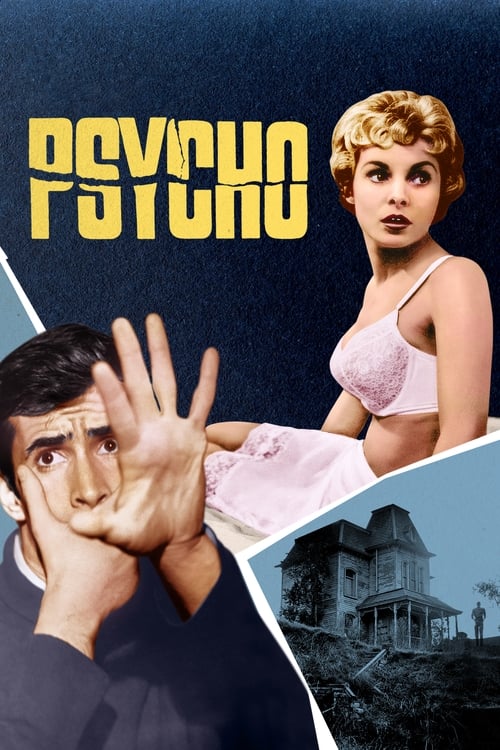
Critics were genuinely horrified when Psycho came out, and not in the way Hitchcock intended. Several prominent reviewers called it beneath the director’s talents, a cheap shocker unworthy of serious consideration. The New York Times review was dismissive, calling it a “blot” on Hitchcock’s record. Audiences, on the other hand, lined up around the block. Time has made it clear that Psycho didn’t just hold up. It invented modern horror.
4. 2001: A Space Odyssey (1968)
Pauline Kael called it “a monumentally unimaginative movie.” Rock Hudson reportedly walked out of the premiere saying “Will someone tell me what the hell that was about?” Reviews were deeply split, with many critics finding it cold, pretentious, and boring. Stanley Kubrick didn’t care. He knew what he’d made. It took a generation of filmmakers growing up on it to prove him right. Today its 90% on Rotten Tomatoes hides just how divided the room was in 1968.
Horror That Aged Like Fine Wine
5. The Shining (1980)
The Shining was nominated for Razzie awards in its year of release. Razzies. For a film now considered one of the greatest horror movies ever made. Stephen King publicly hated it. Variety called it “confusing” and “not scary.” Kubrick’s deliberate, hypnotic pacing and Nicholson’s unhinged performance alienated critics expecting a faithful King adaptation. What they got instead was something far stranger and more durable than any straight adaptation could have been.
6. The Thing (1982)
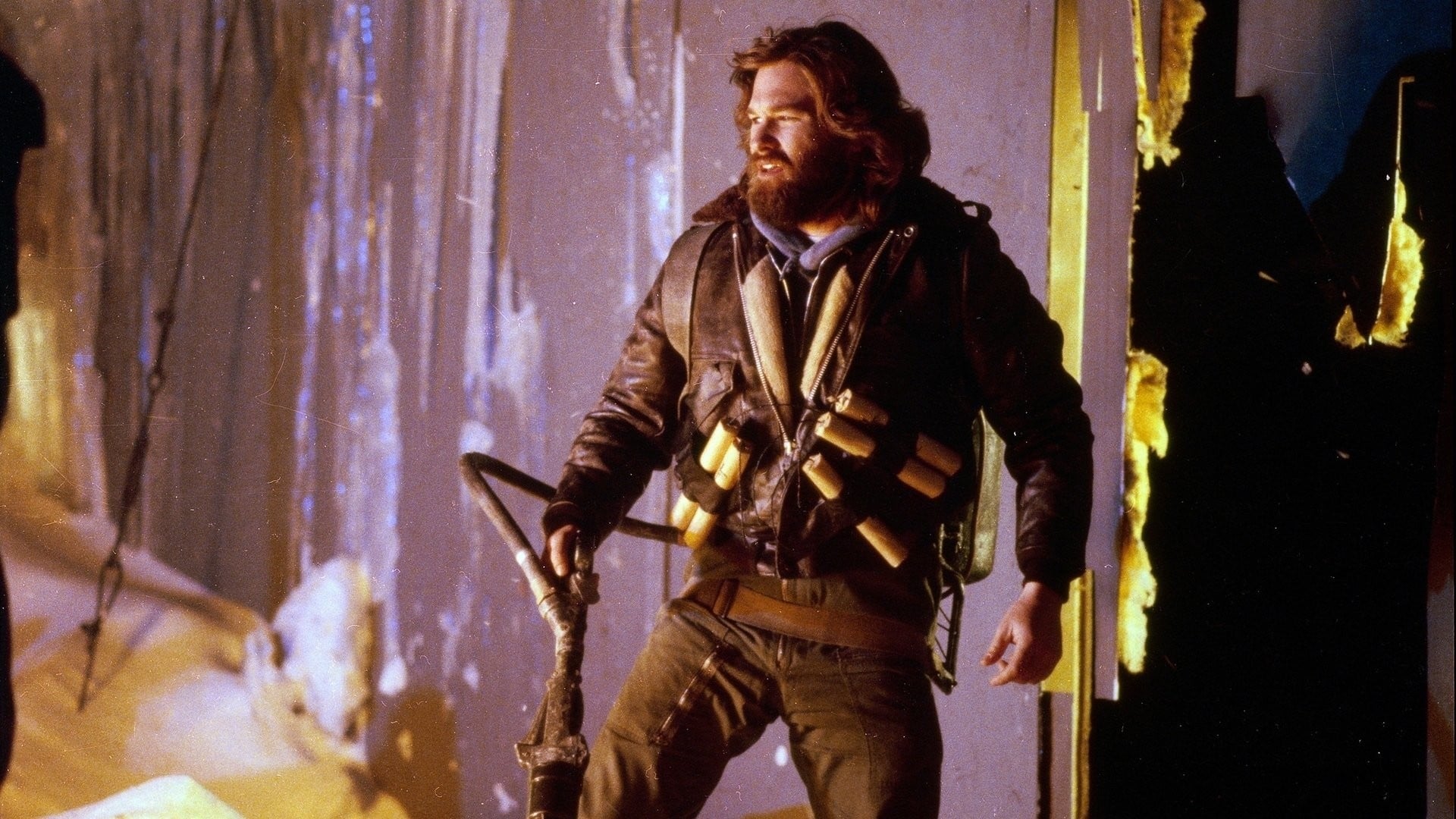
John Carpenter’s The Thing opened two weeks after E.T. and got absolutely destroyed. Critics called it “excessive,” “repulsive,” and worst of all, “boring.” Cinefantastique magazine put it on their cover with the headline “Is this the most hated movie of all time?” It tanked at the box office and nearly ended Carpenter’s career. Now it’s universally recognized as one of the best sci-fi horror films ever made, with practical effects by Rob Bottin that still look incredible over forty years later.
7. They Live (1988)
Critics dismissed They Live as a goofy B-movie with a professional wrestler in the lead role. And sure, it has a six-minute alley fight over a pair of sunglasses. But Carpenter’s satire of Reagan-era consumerism and media manipulation turned out to be so sharp that “OBEY” and “CONSUME” became permanent fixtures of political art and protest culture. The 1988 reviewers who laughed it off missed the joke entirely. The film’s central metaphor only gets more relevant with each passing year.
8. The Nightmare Before Christmas (1993)
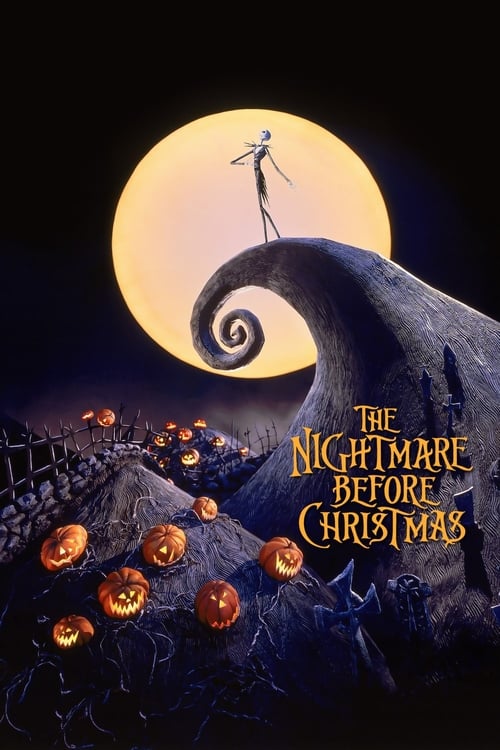
Disney was so unsure about this film that they released it under the Touchstone banner, worried it was too dark and weird for kids. Critics were mixed. Roger Ebert gave it a lukewarm review, saying it was “more of a pleasure to look at than to follow.” Box office was modest. But the film found its audience on home video and grew into a cultural phenomenon that bridges Halloween and Christmas every year. Disney eventually slapped their logo back on it. Funny how that works.
Box Office Bombs That Became Classics
9. Blade Runner (1982)
Blade Runner opened to mixed reviews and disappointing box office, buried in the same summer as E.T. and Star Trek II. Critics found it cold and confusing. Audiences expected Harrison Ford to be Han Solo again and got a slow, rain-soaked meditation on what it means to be human. The studio panicked and forced a voiceover and a happy ending onto it. Multiple cuts later, the film finally exists in the form Ridley Scott intended, and it’s recognized as the definitive sci-fi noir. Its RT score of 89% doesn’t capture how badly it was written off in 1982.
10. Labyrinth (1986)
Jim Henson’s fantasy starring David Bowie and a teenage Jennifer Connelly bombed on release and got middling reviews. Critics called it style over substance. Audiences didn’t show up. Henson was reportedly heartbroken by the reception. But the film’s handmade puppet work, Bowie’s magnetic strangeness, and the story’s coming-of-age undercurrents turned it into one of the most beloved fantasy films of its generation through home video and word of mouth.
11. Donnie Darko (2001)
Donnie Darko had the worst possible luck: it was a movie about a jet engine crashing into a house, released weeks after 9/11. It made $517,000 at the box office. That’s not a typo. Critics who saw it were split. Those who didn’t never got the chance. It found its real audience on DVD, where it became the defining cult film of the 2000s. The time-travel logic still doesn’t entirely hold together, and that honestly doesn’t matter. The mood, the soundtrack, and Jake Gyllenhaal’s performance carry it.
12. Office Space (1999)
Mike Judge’s workplace comedy was dumped into theaters in February 1999 with almost no marketing. It made $12 million on a $10 million budget. Critics gave it mixed reviews. Then it hit home video and became the most quoted movie in every cubicle in America. There’s a reason people still reference the TPS reports, the red Swingline stapler, and the printer scene decades later. Office Space didn’t just capture a feeling about work. It defined it.
13. Children of Men (2006)
Alfonso Cuaron’s dystopian thriller opened to solid reviews but empty theaters. It made $70 million worldwide on a $76 million budget. That’s a flop by any math. But the film’s long-take action sequences, its prophetic vision of a crumbling civilization, and Clive Owen’s quiet, exhausted heroism have only gained power with age. Every year that passes makes Children of Men look less like science fiction and more like a documentary about next Tuesday.
Dismissed as Dumb, Turned Out to Be Smart
14. Scarface (1983)
Brian De Palma’s Scarface was savaged on release. Critics called it vulgar, excessive, and morally reprehensible. The word “obscene” showed up in multiple reviews. It was nominated for Razzies. Roger Ebert was one of the few defenders. But the film’s over-the-top portrait of Tony Montana’s rise and fall became a touchstone for hip-hop culture and crime cinema. Al Pacino’s performance has been quoted, sampled, and referenced more than almost any other in the last forty years.
15. Predator (1987)
Critics dismissed Predator as a dumb Schwarzenegger action movie. They weren’t entirely wrong about the setup, which is basically a group of impossibly muscular guys shooting at trees for twenty minutes. But the film pulls a brilliant genre switch halfway through, turning from military action into survival horror, and Stan Winston’s creature design remains one of the best in movie history. Its RT score of 65% is still too low. Predator knew exactly what it was doing.
16. Dumb and Dumber (1994)
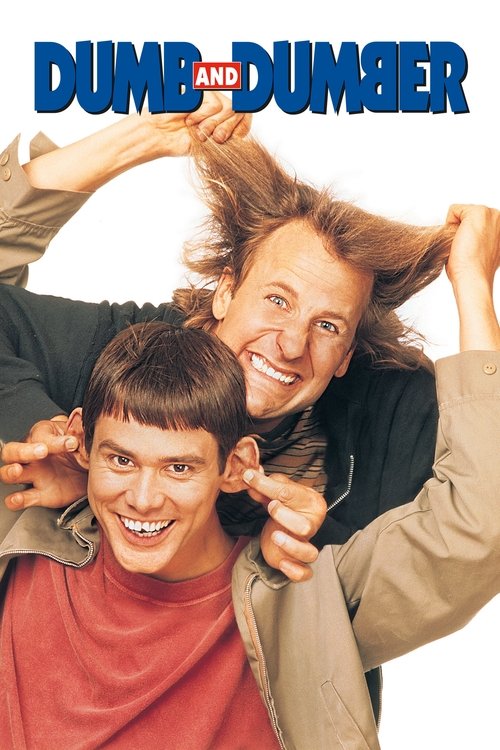
The Farrelly Brothers’ debut was critic-proof and it needed to be, because critics hated it. A 69% on Rotten Tomatoes sounds passable now, but the original reviews were brutal. The Washington Post called it “a series of slapstick encounters strung along a bare-bones plot.” Which, yes, that’s the movie. That’s why it works. Jim Carrey and Jeff Daniels created two of the most quotable characters of the 1990s, and the film’s commitment to pure, stupid joy turned out to be a lot harder to pull off than critics assumed.
17. Napoleon Dynamite (2004)
Napoleon Dynamite was so polarizing that it reportedly broke Netflix’s recommendation algorithm. The film had a 72% critics score on RT, but audiences either loved it with religious devotion or found it painfully unfunny. There was no middle ground. Critics who panned it called it aimless and juvenile. Those who got it understood that the aimlessness was the whole point. The dance scene alone earned its place in film history.
Ahead of Their Time
18. A Clockwork Orange (1971)
Kubrick’s ultra-violent adaptation of Anthony Burgess’s novel generated walkouts, protests, and an X rating. Critics were deeply divided. Many couldn’t get past the violence to see the satire underneath. The film was pulled from UK distribution for nearly three decades after threats against Kubrick’s family. History has been kinder. Its exploration of free will, state control, and the nature of evil feels more relevant now than it did in 1971, and its 86% RT score reflects a consensus that took decades to form.
19. Fight Club (1999)
Fight Club opened to decent but divided reviews and was considered a box office disappointment, making $101 million worldwide on a $63 million budget. The LA Times called it “an inadmissible assault on personal dignity.” Rosie O’Donnell spoiled the ending on her show and told people not to see it. But the film’s sharp critique of consumer culture and masculine identity hit a nerve that only got rawer over time. It became the defining cult film of its decade, and Fincher has never quite recaptured the anarchic energy he found here.
20. The Big Lebowski (1998)
Coming off the Coen Brothers’ Oscar-winning Fargo, The Big Lebowski was treated as a disappointment. Critics called it self-indulgent, rambling, and a step backward. It underperformed at the box office. Then something happened. People started quoting it. Then they couldn’t stop. The Dude became a cultural icon. Annual Lebowski fests started popping up. An actual religion - Dudeism - was founded on the film. The “lesser Coen Brothers movie” turned out to be the one people actually watch over and over again.
21. Blade Runner 2049 (2017)
Denis Villeneuve’s sequel to Blade Runner got strong reviews but audiences refused to show up. It made $267 million worldwide against a reported $300 million budget when marketing is included. That’s a disaster by studio math. The film was called “too long” and “too slow” by casual viewers, which is exactly what people said about the original in 1982. Some lessons take thirty-five years to learn and still don’t stick. The 88% on RT is accurate. The box office was the lie.
Genre Films That Deserved Better
22. Hook (1991)
Steven Spielberg himself has called Hook a disappointment. Critics in 1991 were rough on it, and the film carries one of the lowest RT scores for any Spielberg production. But here’s the thing: an entire generation grew up on Hook. The Rufio chants alone. Dustin Hoffman’s scenery-devouring Captain Hook. The food fight scene. Robin Williams finding his inner child. Critics saw a flawed Spielberg film. Kids saw the best Peter Pan movie ever made, and they never changed their minds.
23. The Princess Bride (1987)
The Princess Bride actually got decent reviews, but it flopped at the box office, making just $31 million. The studio had no idea how to market a film that was simultaneously a fairy tale, a comedy, a romance, and an adventure. Critics who liked it still treated it as a minor charmer. It didn’t become the endlessly quotable, universally beloved classic it is today until home video turned it into the most-rented movie of the late 1980s. “As you wish” wasn’t famous yet in 1987. It is now.
24. Jackie Brown (1997)
After Pulp Fiction, critics expected Tarantino to keep escalating. Instead he made a quiet, patient, deeply grown-up crime film about a middle-aged flight attendant outsmarting everyone around her. Reviews were good but tinged with disappointment. “Not as good as Pulp Fiction” was the consensus, as if that were a useful thing to say about any movie. Jackie Brown is arguably Tarantino’s most mature and emotionally resonant film, anchored by Pam Grier’s best performance and Robert Forster’s tender, understated work. It took years for people to come around.
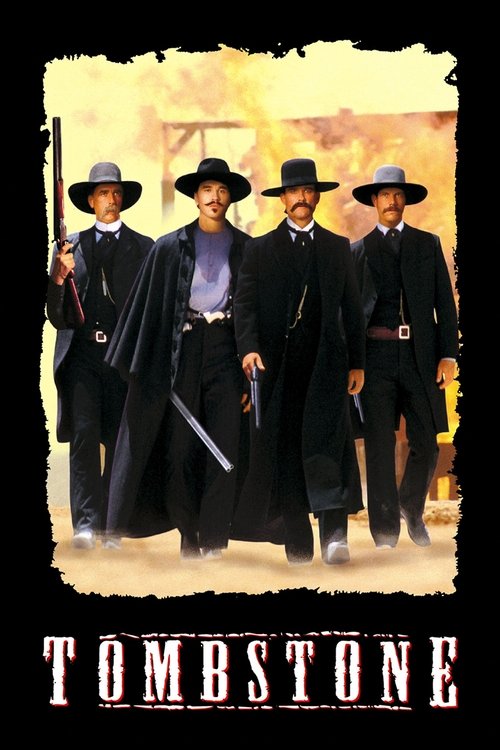
25. Tombstone (1993)
Critics gave Tombstone lukewarm reviews, treating it as a mid-tier Western that couldn’t compete with the prestige of Unforgiven a year earlier. They weren’t wrong that the production was messy. Director changes, script rewrites, on-set chaos. But Val Kilmer’s Doc Holliday is one of the great supporting performances in American film, and the movie’s energy and quotability (“I’m your huckleberry”) made it a permanent fixture on cable TV and streaming queues. The critics graded it on production drama. Audiences graded it on whether it was a hell of a good time. It was.
Critical consensus is a snapshot, not a verdict. Every film on this list got shortchanged on its first pass, whether from genre bias, impossible expectations, bad timing, or critics simply not being ready for what a filmmaker was doing. The best thing about movies is that they don’t expire. They sit there and wait for the world to catch up. If you haven’t revisited any of these in a while, pick one and give it the attention it earned but didn’t get. You can browse all of these and more in our full collection.
Discover Your Next Favorite Film
Browse our curated collection of movie trailers and find something new to watch tonight.
Browse Trailers