20 Movies That Broke the Fourth Wall
Films.io Editorial
5 min read
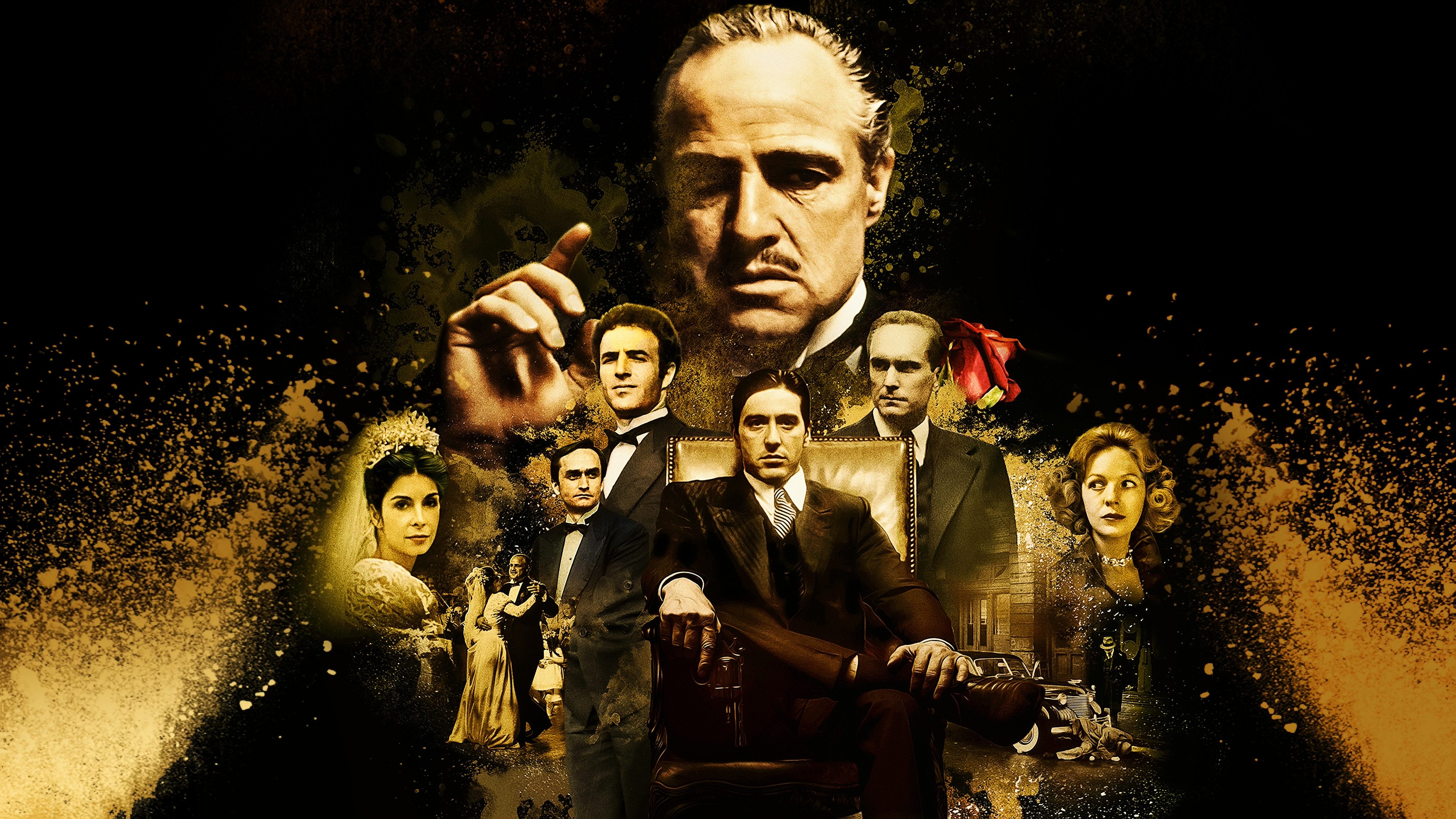
There’s a moment in every moviegoer’s life when a character stops, turns to the camera, and speaks directly to you. Not to another character. Not to some unseen narrator. To you, sitting there with your popcorn. It’s disorienting, funny, and sometimes deeply unsettling. Fourth wall movies have been a staple of cinema almost since the beginning, but the technique never gets old when it’s done right. The best ones make you feel like you’re part of the story, or at least like the story knows you’re watching.
Before we dig in, let’s draw an important line. Being “meta” or self-aware isn’t the same thing as breaking the fourth wall. A movie can wink at genre conventions or comment on Hollywood without ever directly addressing the audience. True fourth wall breaking means the barrier between the fictional world and the viewer is explicitly shattered: a character looks into the lens and talks to you, or the film acknowledges its own existence as a film in a way that ruptures the narrative. Self-referential humor is a cousin of the fourth wall break, but it’s not the same species. Everything on this list earned its spot by genuinely crossing that line.
Breaking the fourth wall can serve wildly different purposes. It can be a comedic gag, a structural device, a way to build intimacy with the audience, or a method of interrogating the very nature of storytelling. Some films use it once for a quick wink. Others build their entire identity around it. Here are 20 movies that shattered that invisible barrier between screen and audience, and why each one earned the right to do it.
1. Ferris Bueller’s Day Off (1986)
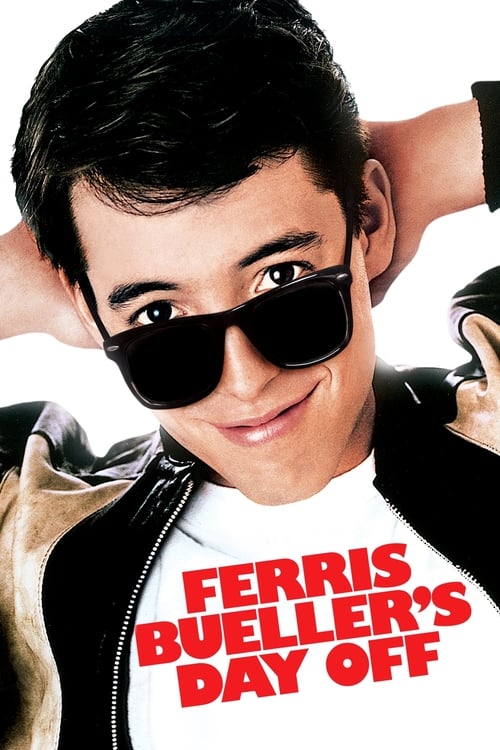
The gold standard. Matthew Broderick addresses the audience like we’re his best friends, walking us through his schemes with infectious confidence. He coaches us on faking sick, critiques Cameron’s anxiety in real time, and turns the whole movie into a conspiratorial hang. The post-credits scene telling us to go home is still one of cinema’s all-time great fourth wall breaks.
2. Fight Club (1999)
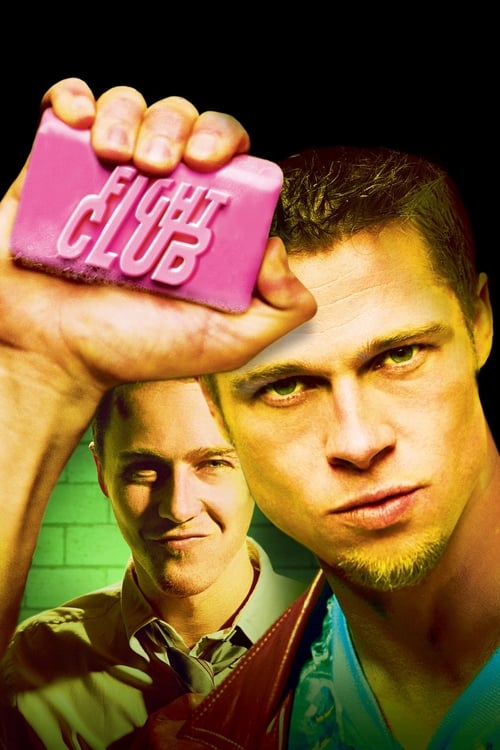
Edward Norton’s unnamed narrator talks to us throughout, but the real fourth wall break comes when the film itself seems to malfunction. Tyler Durden points at the projection artifacts, the film splices in frames, and suddenly you’re not sure what’s real. David Fincher turned the audience into another unreliable element.
3. Annie Hall (1977)
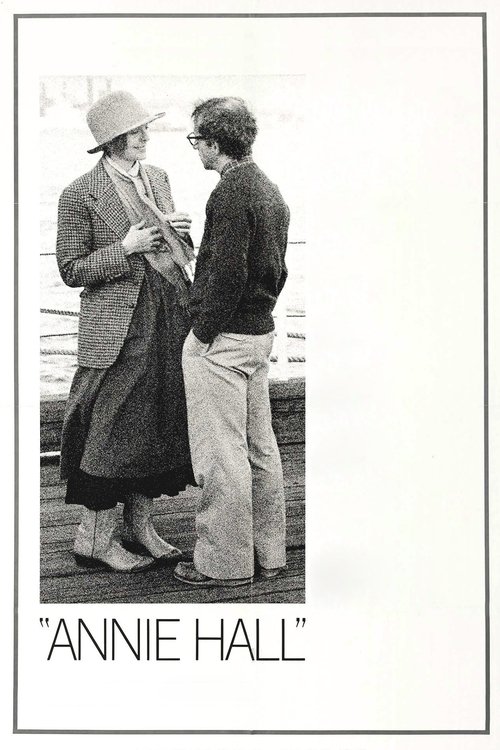
Woody Allen pioneered the conversational fourth wall break in American cinema. Alvy Singer talks to the camera like he’s on a therapist’s couch, pulls Marshall McLuhan out from behind a sign to win an argument, and splits the screen to compare family dinners. It’s messy and neurotic and perfect.
4. Deadpool (2016)
Ryan Reynolds doesn’t just break the fourth wall. He takes a sledgehammer to it, then comments on the debris. The film is essentially a two-hour conversation with the audience, complete with references to the actor’s own career and the superhero genre’s clichés. It shouldn’t work, but Reynolds’ timing makes it sing.
5. Amelie (2001)
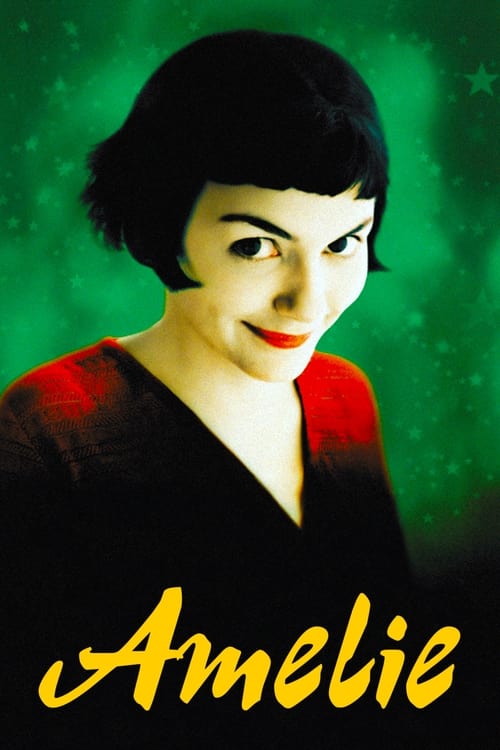
Jean-Pierre Jeunet’s narration and Audrey Tautou’s knowing glances at the camera turn this Parisian fairy tale into something more intimate than most romances manage. When Amelie looks at us, it feels like she’s sharing a secret.
6. Funny Games (1997)
Michael Haneke’s Austrian home invasion film (later remade shot-for-shot in English in 2007) is probably the most disturbing use of fourth wall breaking ever committed to celluloid. The villain looks directly at the audience and asks if we’ve had enough. Then he picks up a remote control and literally rewinds the film to undo a moment of hope. It’s not fun. It’s not supposed to be. Haneke is indicting us for watching.
7. The Big Short (2015)
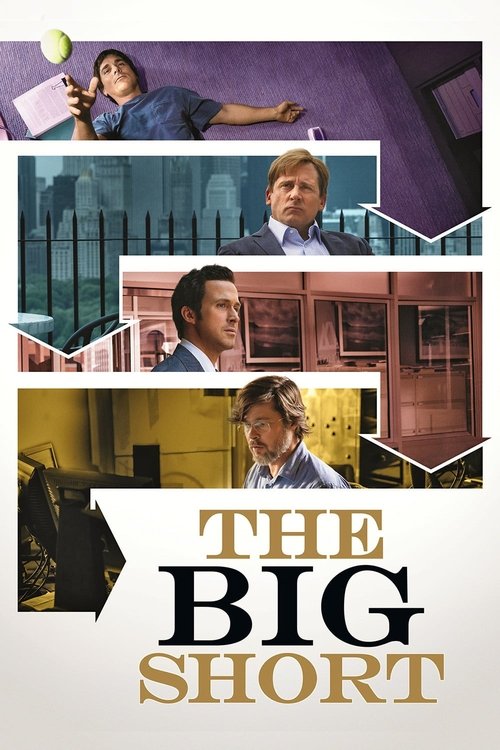
Adam McKay had a problem: how do you explain collateralized debt obligations to a mass audience? His solution was brilliant. Characters pause the movie to have Margot Robbie in a bathtub or Anthony Bourdain in a kitchen explain the financial concepts directly to us. It’s fourth wall breaking as education, and it works shockingly well.
8. Blazing Saddles (1974)

Mel Brooks didn’t just break the fourth wall. He broke the walls of the sound stage, literally. The climactic brawl spills out of the Western set and into other movies being filmed on the lot, then into the studio commissary, then into a movie theater showing Blazing Saddles itself. It’s anarchic and still hilarious over fifty years later.
9. Goodfellas (1990)
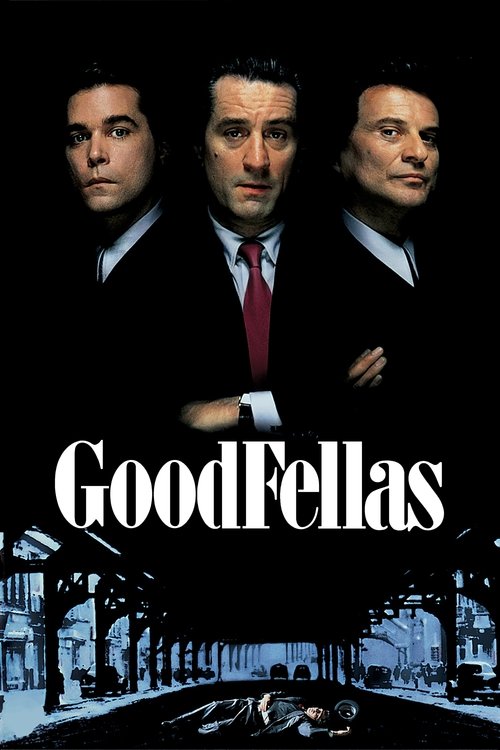
Henry Hill’s narration feels like he’s telling you the story at a bar, but the real fourth wall break comes at the end. After the trial, after witness protection, Ray Liotta turns to the camera and complains about his boring suburban life. Scorsese lets a gangster look us in the eye and admit he misses the violence. It’s chilling.
10. The Wolf of Wall Street (2013)
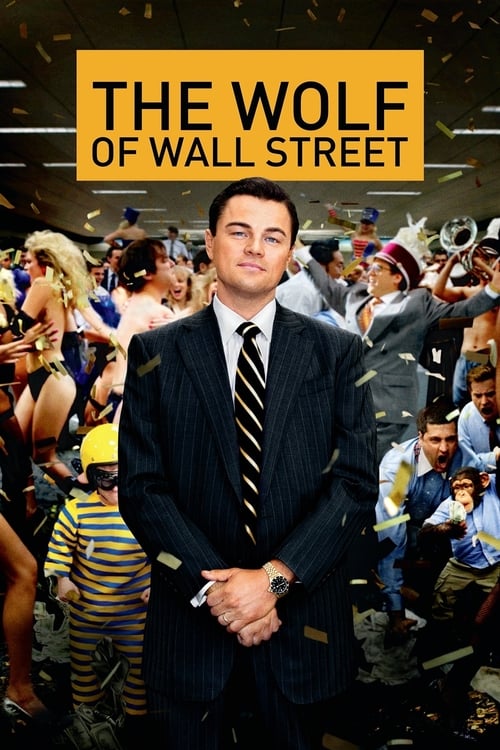
Scorsese doubled down on what he did in Goodfellas. Leonardo DiCaprio’s Jordan Belfort addresses the camera with the energy of an infomercial host, selling us on his lifestyle of excess. When he starts explaining a penny stock scheme and then says “you know what, it doesn’t matter,” he’s telling us we’re already complicit. We don’t care how it works. We just want to watch him spend the money.
11. 24 Hour Party People (2002)
Steve Coogan as Tony Wilson constantly turns to the camera to correct the film’s own version of events. “I know this didn’t happen this way, but it’s a better story,” he tells us at one point. It’s a film about myth-making that’s honest about the myths it’s making in real time.
12. High Fidelity (2000)
John Cusack’s Rob Gordon ranks everything, including his top five breakups, and explains each one directly to us. The fourth wall breaking here serves a specific emotional purpose. Rob uses the audience as a buffer against actually dealing with his feelings. We’re his excuse not to grow up.
13. Wayne’s World (1992)
Mike Myers and Dana Carvey talk to the camera like it’s public access television, which makes perfect sense given their characters. The best gag is the shameless product placement scene where they deny selling out while holding Pizza Hut boxes and Doritos bags. The film offers three different endings and lets you pick your favorite.
14. The Truman Show (1998)
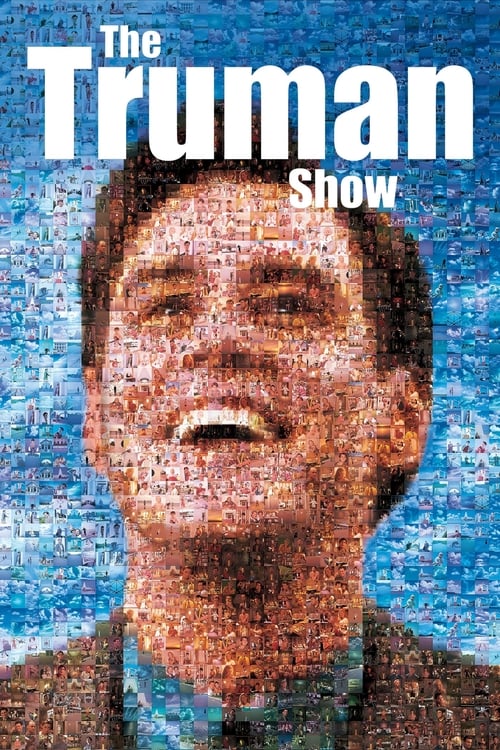
Peter Weir’s film doesn’t break the fourth wall in the traditional sense of a character turning to the camera and addressing you. It does something sneakier: it makes the fourth wall itself the subject of the entire movie. Truman Burbank’s life is a television show he doesn’t know he’s on, which means every camera angle, every shot composition, carries a double meaning. We watch Truman being watched. When he finally looks into the camera at the dome’s exit and delivers his signature “Good afternoon, good evening, and good night,” it lands as one of cinema’s most powerful moments of a character staring directly through the screen at the audience watching him. The wall doesn’t break. It dissolves.
15. The Holy Mountain (1973)
Alejandro Jodorowsky ends his psychedelic odyssey by having the camera literally pull back to reveal the crew, the lights, the equipment. “Real life awaits us,” he says. After two hours of surreal imagery, the most radical thing he can do is show you it was all fake. And somehow that makes it feel more real.
16. Spaceballs (1987)
Mel Brooks again, because the man loved demolishing that wall. The characters fast-forward through their own VHS tape to figure out what happens next. Dark Helmet watches Spaceballs: The Movie while it’s happening. It’s dumb and it’s genius.
17. Kiss Kiss Bang Bang (2005)
Robert Downey Jr.’s Harry Lockhart is a terrible narrator and he knows it. He stops the film, rewinds it, apologizes for getting ahead of himself, and argues with the audience about storytelling conventions. Shane Black built the entire structure around the idea that noir narration is inherently ridiculous.
18. Jay and Silent Bob Strike Back (2001)
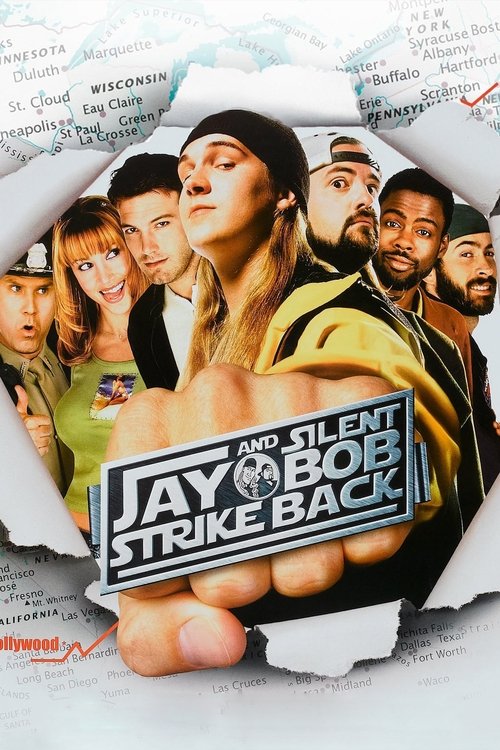
Kevin Smith’s meta comedy has its characters literally aware they’re based on comic book versions of themselves, then they travel to Hollywood to stop a movie being made about them. The finale features Jay and Silent Bob tracking down internet commenters who badmouthed the film-within-the-film. Characters address the camera, reference previous View Askewniverse movies, and the whole thing collapses into a gleeful pile of self-reference.
19. Tampopo (1985)
Juzo Itami’s Japanese “ramen Western” opens with a gangster in a movie theater who turns to face the actual audience and asks us, politely but firmly, to be quiet during the film. He talks directly to us about his love of eating during movies, and for a moment the line between his theater and ours completely vanishes. Throughout the film, vignette characters seem aware they’re performing for someone, and the gangster reappears to blur the boundary between the movie’s world and ours. It’s one of the most elegant fourth wall openings in cinema history, and it comes wrapped in a film about the perfect bowl of noodles.
20. Funny Games U.S. (2007)
Yes, we already talked about the 1997 original. But Haneke remaking his own film shot-for-shot in English with Michael Pitt and Naomi Watts is itself a fourth wall break on a conceptual level. It’s the same movie, the same direct addresses to camera, the same remote-control rewind that steals the audience’s catharsis. But remaking it for an American audience who might not have seen the Austrian original was Haneke’s way of saying: I wasn’t just talking to European art-house audiences. I was talking to you. The repetition is the point.
What connects all these films isn’t just the technical act of addressing the camera. It’s the intention behind it. The best fourth wall breaks aren’t gimmicks. They change your relationship with the story. They make you a participant, a witness, sometimes an accomplice. Whether it’s Mel Brooks making you laugh at the absurdity of movies themselves or Michael Haneke making you squirm for choosing to watch, that broken wall means something different every time.
If you’re hungry for more films that play with genre and audience expectations, browse our comedy collection or check out what’s new in horror. The fourth wall is just a suggestion, after all.
Discover Your Next Favorite Film
Browse our curated collection of movie trailers and find something new to watch tonight.
Browse Trailers