25 Movies with Ambiguous Endings
Films.io Editorial
5 min read
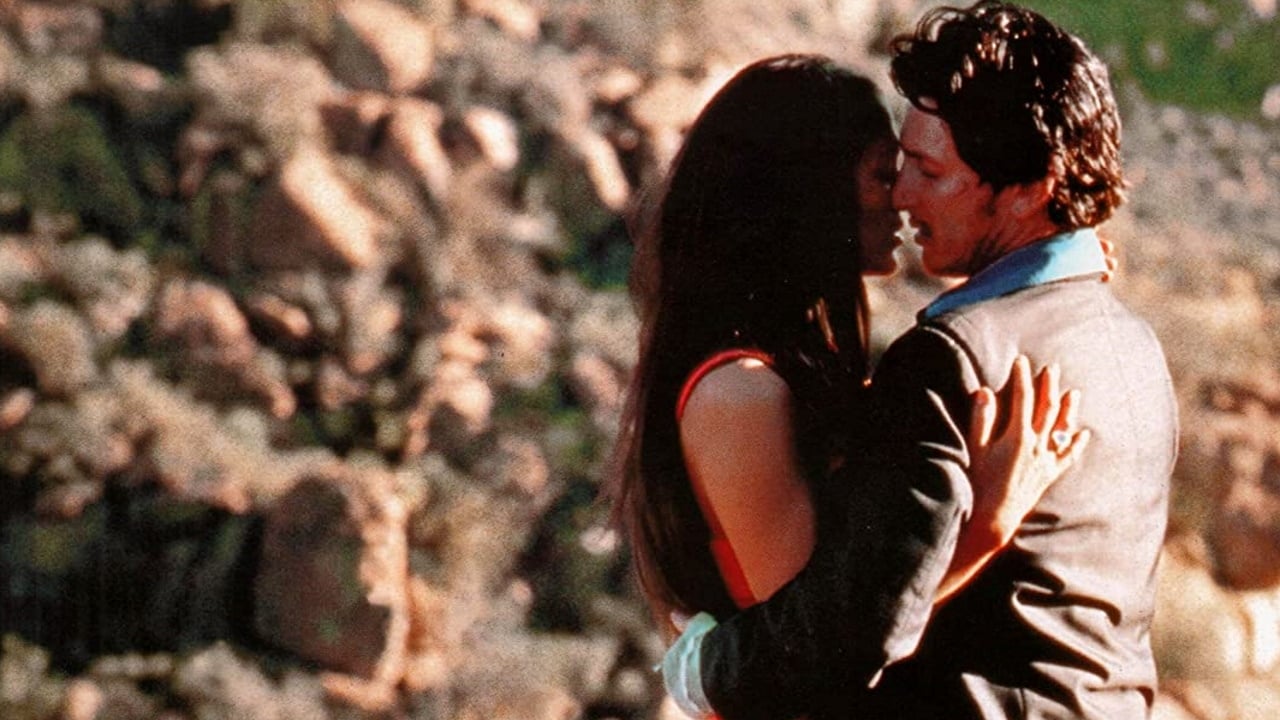
Some movies don’t end. They just stop, leaving you sitting there in the dark wondering what the hell just happened. Did the character survive? Was any of it real? What does that final shot actually mean?
Movies with ambiguous endings are some of the most rewarding films you’ll ever watch, and also the most frustrating. They refuse to hand you easy answers. Instead, they trust you to wrestle with the story on your own terms. The best ones stick with you for days. You’ll find yourself arguing about them over dinner, Googling theories at 2 AM, and rewatching scenes you thought you understood the first time.
Here are 25 films that leave their endings wide open.
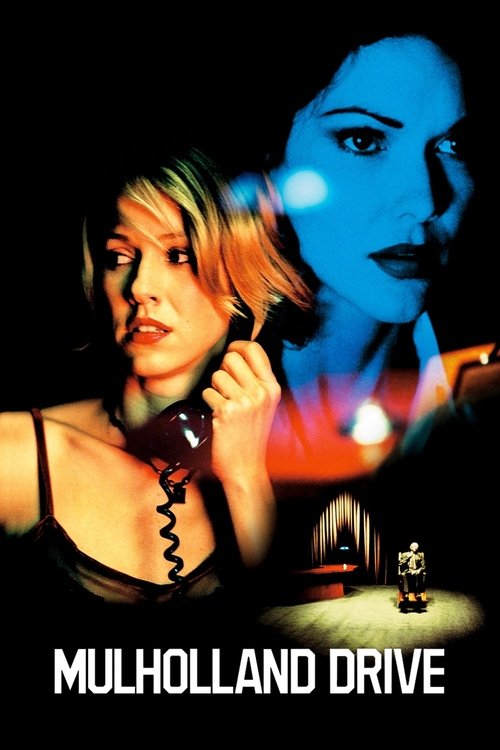
1. Mulholland Drive (2001)
David Lynch’s greatest puzzle box. The first two acts feel like a sunny Hollywood dream, then everything collapses into something much darker. Is Diane dreaming? Is Betty the fantasy? People have been arguing about it for over two decades, and nobody has a definitive answer. That’s the point.
2. Stalker (1979)
Tarkovsky takes three men into a mysterious Zone where a room supposedly grants your deepest wish. They reach the room. Nobody enters. The ending raises more questions than the entire journey, particularly about the Stalker’s daughter and what her final scene implies about everything we just witnessed.
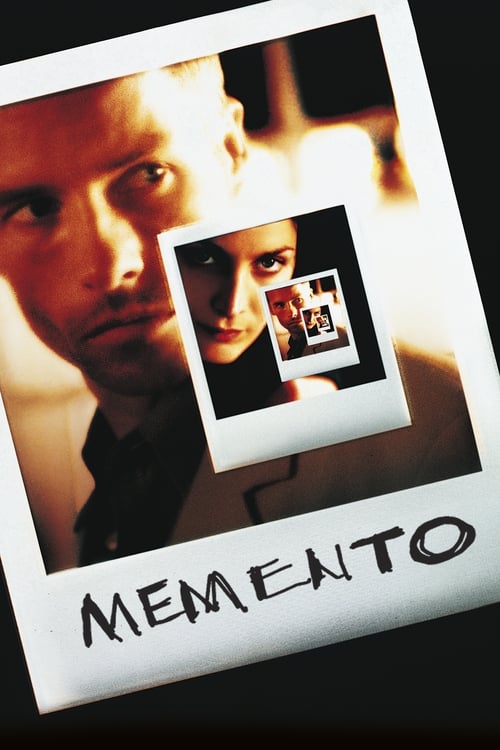
3. Memento (2000)
Christopher Nolan’s reverse-chronology thriller doesn’t just have an ambiguous ending. The entire structure makes you question whether the “ending” you’re watching is actually the beginning. Is Leonard choosing to lie to himself? Is Teddy telling the truth? The black-and-white sequences meeting the color ones creates a moment of profound uncertainty.
4. Donnie Darko (2001)
Does Donnie sacrifice himself to close a time loop? Is the entire film a dying hallucination? Richard Kelly’s cult classic invites multiple readings, and the theatrical cut is far more ambiguous than the director’s cut. Sometimes less explanation is more.
5. Rashomon (1950)
The original ambiguous ending movie. Kurosawa gives us four contradictory accounts of a murder and never tells us which one is true. The film isn’t about solving the crime. It’s about whether objective truth even exists. Every film on this list owes something to Rashomon.
6. Blue Velvet (1986)
Lynch’s suburban nightmare ends with what looks like a return to normalcy, complete with robins and sunshine. But is it genuine, or is it mocking the very idea that Jeffrey can go back to innocence after what he’s seen? That mechanical robin on the windowsill is either hopeful or deeply ironic. Lynch never tells you which.
7. The Tree of Life (2011)
Terrence Malick’s film ends on a beach where characters from different timelines seem to gather in some kind of afterlife or spiritual space. Or is it a memory? A vision? Jack’s reconciliation with his past? The sequence is gorgeous and deliberately resists concrete interpretation.
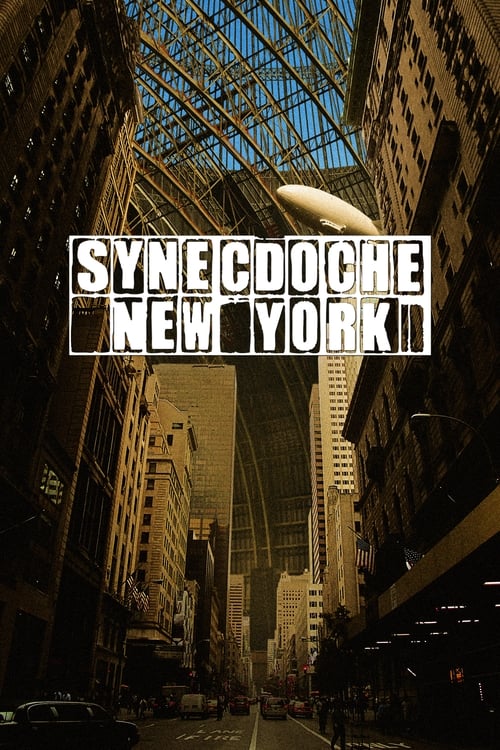
8. Synecdoche, New York (2008)
Charlie Kaufman’s directorial debut spirals into infinite layers of reality, theater, and self-reflection. By the end, Caden Cotard is taking direction from someone else inside his own replica of a replica of his life. The final word he hears, “die,” could be liberation or defeat. It’s one of the most emotionally overwhelming endings in film.
9. Vertigo (1958)
Hitchcock’s masterpiece ends with Scottie standing at the edge of a bell tower, having watched Judy fall to her death. Is he cured of his vertigo? Destroyed by it? The film cuts to black with him standing there, arms outstretched, and offers no comfort whatsoever.
10. Children of Men (2006)
Theo gets Kee and her baby onto the boat. The Human Project is supposedly coming. But is the Human Project even real? Theo’s fate is clear, but whether humanity actually has a future remains an open question. That final shot of the boat emerging from the fog is hopeful and uncertain in equal measure.
11. Coherence (2014)
This low-budget sci-fi gem gets increasingly paranoid as parallel realities bleed into each other during a dinner party. The ending shows Em in a reality that isn’t hers, with her double’s phone ringing. Has she gotten away with it? Is the other Em coming for her? The dread in that final look says everything.
12. Citizen Kane (1941)
We learn what “Rosebud” is, but the reporters never do. And here’s the thing: knowing it’s a sled doesn’t actually explain Kane. The film’s real ambiguity is whether any single word or object can sum up a human life. The answer, Welles seems to suggest, is no.
13. Brazil (1985)
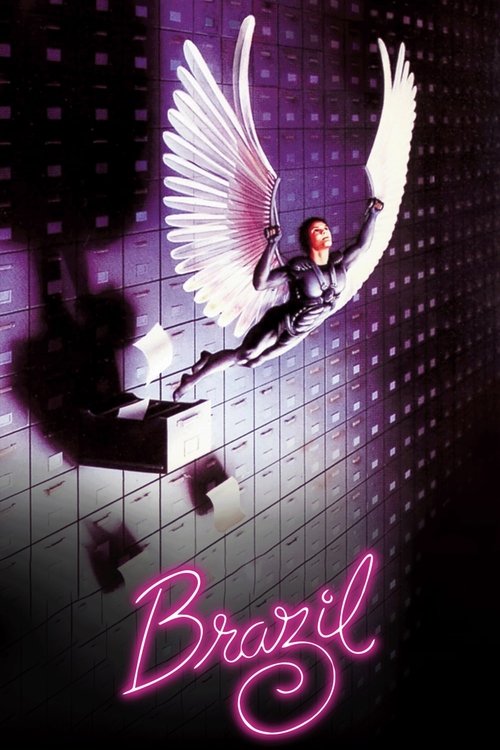
Terry Gilliam’s dystopian satire has one of the cruelest endings in cinema. Sam appears to escape into a pastoral fantasy, but the camera pulls back to reveal he’s still strapped to a chair, his mind gone. Or has it? The studio famously wanted a happy ending. Gilliam fought for the ambiguity, and he was right.
14. Pi (1998)
Darren Aronofsky’s debut ends with Max drilling into his own skull, apparently destroying his mathematical gift. The final scene shows him sitting peacefully on a park bench, unable to calculate. Is this peace or lobotomy? Salvation or annihilation? The film doesn’t distinguish between the two.
15. Twelve Monkeys (1995)
Cole witnesses his own death as a child, completing a time loop he can’t escape. But the woman from the future is on the plane with the virus carrier. Does she stop the plague? Can the future be changed? Gilliam leaves it tantalizingly unresolved.
16. Oldboy (2003)
Park Chan-wook’s revenge masterpiece ends with Dae-su apparently having his memories of the truth hypnotically erased. He reunites with Mi-do in the snow, smiling. But that smile falters. Does he remember? Has the hypnosis worked? That final expression is one of the most debated moments in Korean cinema.
17. Her (2013)
After Samantha and the other AIs leave, Theodore and Amy sit together on a rooftop, looking out at the city. Are they going to be together? Have they simply found companionship in shared loss? Spike Jonze gives us an ending that’s warm but deliberately unfinished.
18. A Ghost Story (2017)
David Lowery’s meditative film ends with the ghost finally reading the note his wife left in the wall. He disappears. What did it say? We never find out. The meaning of the note is entirely yours to decide, and that gap is what gives the film its emotional power.
19. The Crying Game (1992)
Beyond its famous twist, the film ends with Fergus in prison, Dil visiting him through glass. They’ve found a kind of love, but it exists within impossible constraints. Is this a happy ending? A tragic one? Neil Jordan frames it as both, simultaneously.
20. Inherent Vice (2014)
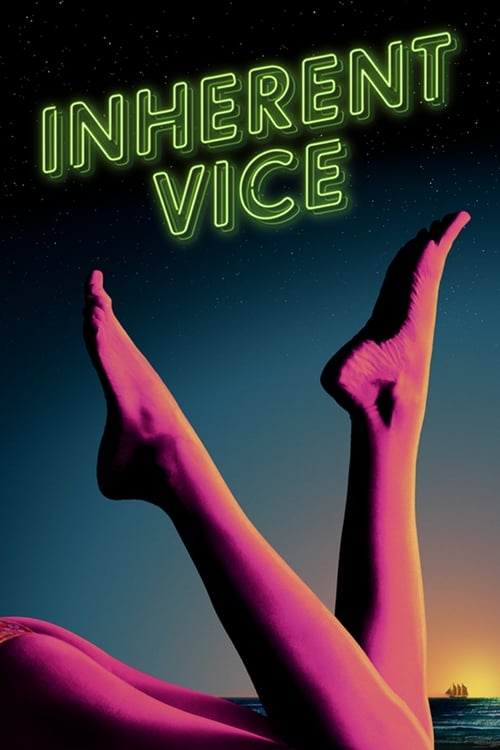
Paul Thomas Anderson adapts Pynchon, and the result is a haze of paranoia, conspiracies, and half-resolved plot threads. Doc Sportello drives into the fog in the final scene, and you’re not entirely sure what was real, what was solved, or if any of it mattered. That’s the whole vibe.
21. Zodiac (2007)
David Fincher’s meticulous procedural ends without a definitive answer to who the Zodiac killer was. Robert Graysmith believes it’s Arthur Leigh Allen. The film presents evidence but never confirms it. That final scene in the hardware store is chilling precisely because certainty never arrives.
22. Unbreakable (2000)
Shyamalan’s superhero origin story ends with a title card rather than a climax. David Dunn turns Elijah in to the police. The film stops. It’s an ending that feels like a beginning, and for years, audiences debated whether the ambiguity was intentional or just unsatisfying. It was absolutely intentional.
23. Palm Springs (2020)
Nyles and Sarah escape the time loop. But do they end up in the right timeline? Sarah’s quantum physics solution could have sent them anywhere. The mid-credits scene with Roy adds another layer of uncertainty. It’s a rom-com that ends with a genuine question mark.
24. The Shape of Water (2017)
Guillermo del Toro ends with Elisa apparently alive underwater, her scars transformed into gills, embracing the creature. But Giles is narrating, and he admits he’s telling the story as he imagines it. Is this what actually happened, or is it a fairy tale he’s crafted to cope with losing her?
25. Somersault (2004)
Cate Shortland’s Australian drama follows teenager Heidi through emotional turbulence and uncertain relationships. The film ends without tidy resolution. Heidi is still searching, still vulnerable, still figuring herself out. It’s an ambiguous ending not because of a twist but because life doesn’t wrap up neatly, and the film respects that.
These are the kinds of movies that reward repeat viewings. Every time you come back, you notice something new, some detail that shifts your reading of the ending entirely. That’s the beauty of ambiguity done well. It isn’t lazy filmmaking. It’s a filmmaker trusting the audience enough to let them finish the story.
If you love films that stick with you long after the credits roll, browse more mystery films and thrillers in our collection.
Discover Your Next Favorite Film
Browse our curated collection of movie trailers and find something new to watch tonight.
Browse Trailers