Looking Back at the 2025 Oscars: A Retrospective on the 97th Academy Awards
Films.io Editorial
5 min read
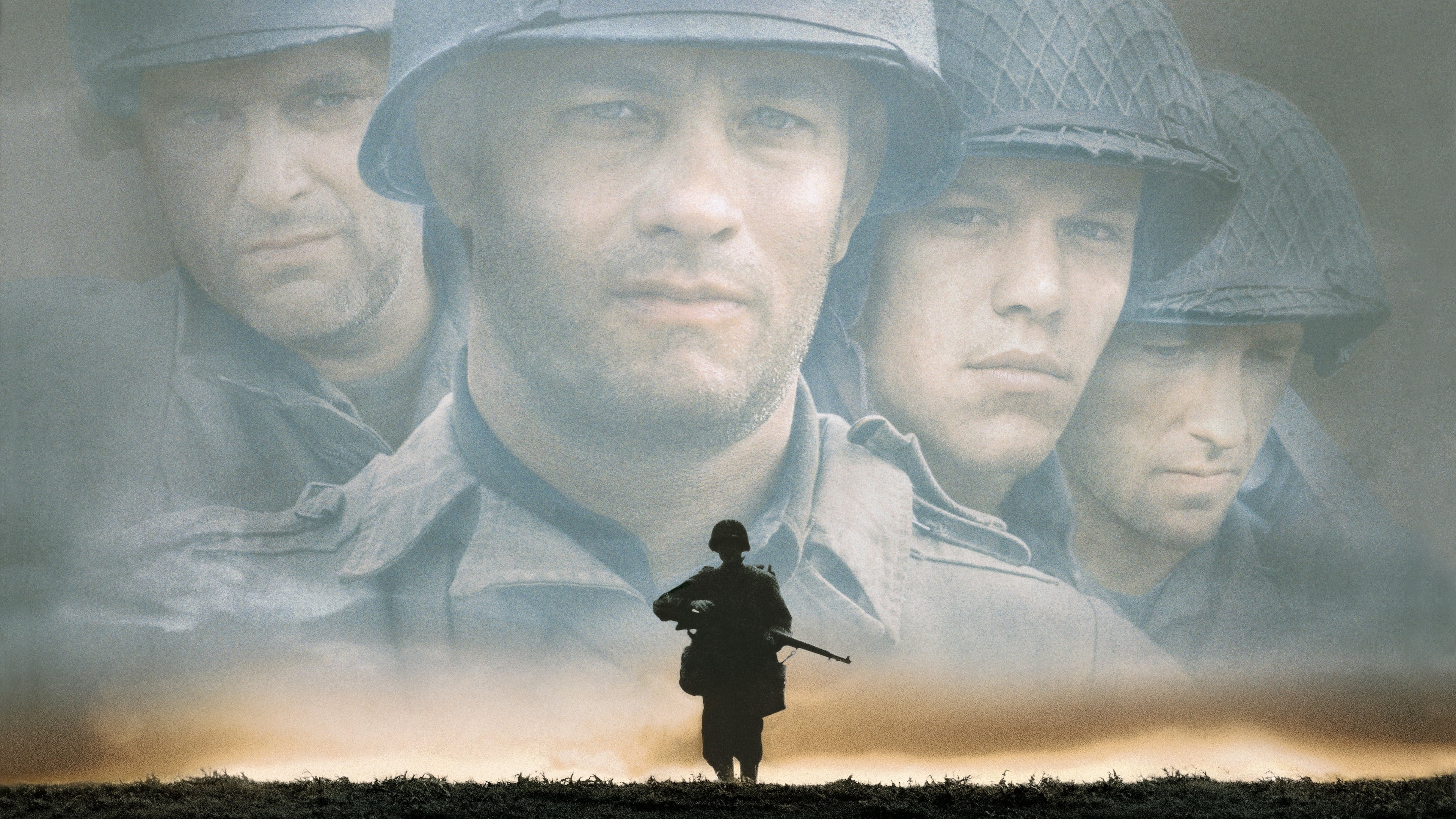
The 97th Academy Awards happened back in March 2025, and now that the dust has fully settled, I think it’s worth taking a proper look back at what the ceremony got right, what it got wrong, and what the results tell us about where the Academy’s head is at. If you searched for “oscar movies 2025” or “academy awards 2025” hoping to make sense of what went down, you’re in the right place.
Here’s my honest retrospective on the biggest races of the night , and why some of the outcomes still bug me over a year later.
Best Picture: The Sequel Problem and the Safe Pick
Let’s start with the elephant in the room. The 97th Academy Awards covered films released in 2024, and it was a year defined by ambitious swings, some of which connected and some of which absolutely did not. The Best Picture race ended up being a referendum on what kind of ambition the Academy actually rewards.
Joker: Folie à Deux was one of the most polarizing major releases of 2024. Todd Phillips took a billion-dollar property and turned it into a musical courtroom drama starring Joaquin Phoenix and Lady Gaga. Say what you want about the execution , and believe me, people said plenty , but that’s a wild creative choice for a sequel to a film that grossed a billion dollars. The movie essentially deconstructed its own predecessor, asking whether Arthur Fleck ever deserved the mythologized “Joker” identity that audiences and in-universe followers projected onto him.
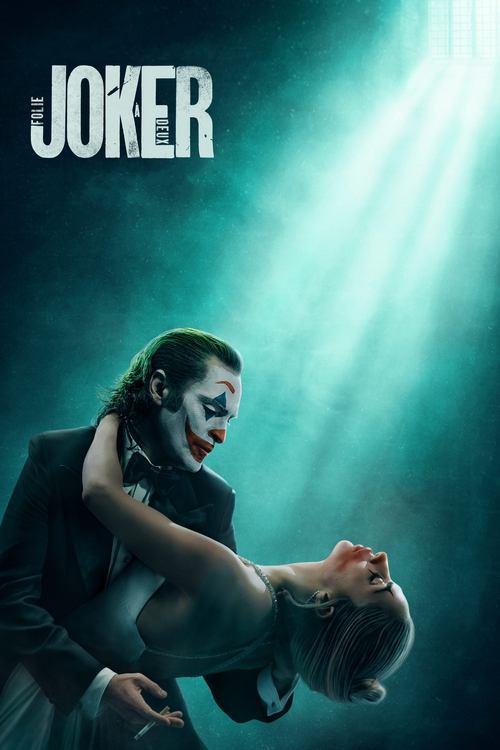
The courtroom sequences have a grimy, suffocating quality. The musical numbers exist in this uneasy space where you’re never quite sure if they’re fantasy, delusion, or performance. There’s a moment where Phoenix and Gaga are singing together in Arkham and the camera holds on the faces of the other inmates watching , some mesmerized, some completely blank , and it tells you everything about the film’s thesis on spectacle and emptiness. Whether that thesis works as a two-hour movie is another question entirely.
The Academy, predictably, went safer with its Best Picture winner. But Folie à Deux sparked the kind of debate that matters , the kind where people are still arguing about intent versus execution a year later. That’s more than most Best Picture nominees can claim.
The Acting Races: Transformations vs. Truth
Best Actor was the category I watched most closely. The Academy has a long history of rewarding physical and psychological transformation in this category, and 2024 gave voters several strong options.
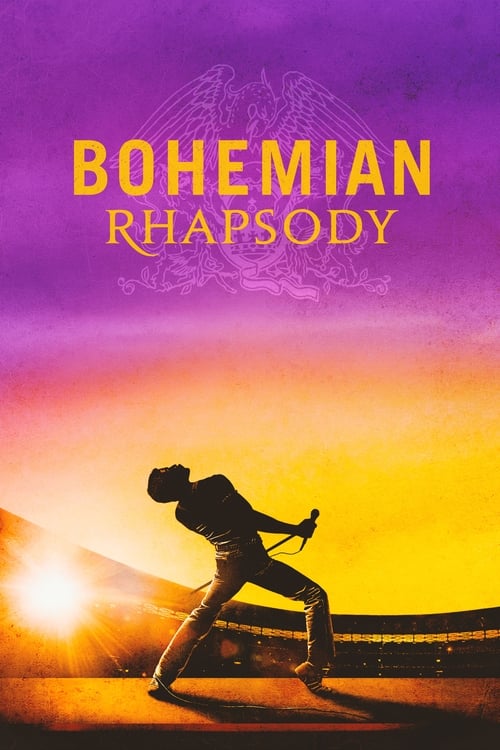
What the ceremony reminded me is that the Academy tends to favor a specific kind of performance: one where you can see the work. Think about how Rami Malek won for Bohemian Rhapsody back at the 91st ceremony. That performance succeeded partly because audiences could constantly measure the distance between Malek and Freddie Mercury. The prosthetic teeth, the strutting physicality, the vocal mimicry , it’s a performance that announces itself.
Compare that to what Joaquin Phoenix did in Folie à Deux. His Arthur Fleck is diminished here , smaller, quieter, almost hollowed out compared to the first film. There’s a scene during the trial where his lawyer is making an impassioned argument for his insanity defense, and Phoenix just sits there with this expression that’s somewhere between resignation and bewilderment, like he’s watching someone describe a stranger. It’s devastating, subtle work, but it’s the kind of performance the Academy often overlooks because it doesn’t look like “acting.”
The Best Actress race was equally fascinating. Lady Gaga’s Lee Quinzel in Folie à Deux is not the Harley Quinn anyone expected. She plays Lee as someone who’s performing infatuation, using Arthur’s delusions as fuel for her own reinvention. There’s a chilling moment late in the film where her mask slips and you realize she’s been the most calculating person in the room all along. The musical sequences give Gaga the chance to do something genuinely strange , her singing is deliberately imperfect in spots, raw in a way that serves character over spectacle.
The Supporting categories continued their tradition of being the Academy’s wildcard slots. These races often come down to campaign strategy as much as performance quality, which is why the results can feel arbitrary year to year.
Best Director: Craft vs. Vision
Best Director is the category where I always get the most heated, because it reveals how the Academy thinks about filmmaking itself. Do they reward meticulous craft? Bold vision? Or just whoever directed the Best Picture winner?
The 2024 film landscape offered some genuinely interesting directorial work, but the Academy’s choices reflected their usual instincts. Todd Phillips made an audacious decision with Folie à Deux , essentially torching the commercial appeal of his franchise to make something personal and confrontational. Whether that gamble paid off artistically is debatable, but as a piece of directing, the control is evident. The tonal shifts between grimy realism and musical fantasy require a steady hand, and Phillips mostly keeps it together even when the material threatens to collapse under its own contradictions.
This is where historical context gets interesting. The Academy has a complicated relationship with directors who subvert expectations. Remember, Saving Private Ryan lost Best Picture to Shakespeare in Love, and while Spielberg won Best Director, that split tells you everything about the Academy’s internal tug-of-war between visceral filmmaking and prestige comfort.
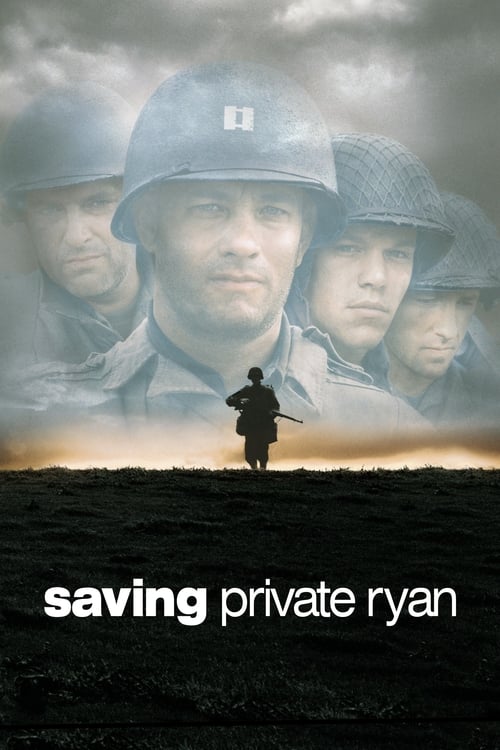
The Omaha Beach sequence in Saving Private Ryan remains, nearly three decades later, the benchmark for how directing can make you physically feel the chaos of a moment. The camera is right there in the surf, the sound design is overwhelming, and Spielberg strips away every ounce of movie-heroism in favor of raw, terrifying confusion. That sequence changed war filmmaking permanently. The 2024 directors were working in a landscape that film helped shape.
The Screenplay Battles: Structure and Subversion
Screenplay categories are my favorite to analyze because they’re where the Academy occasionally reveals actual taste. Best Adapted Screenplay rewards the art of translation , taking something that works in one medium and figuring out why it works, then rebuilding it for the screen.
The 2024 field for Adapted Screenplay had some interesting entries, though the category always feels slightly rigged toward whatever has the most literary pedigree. What I find more interesting is what the winners tell us about storytelling trends.
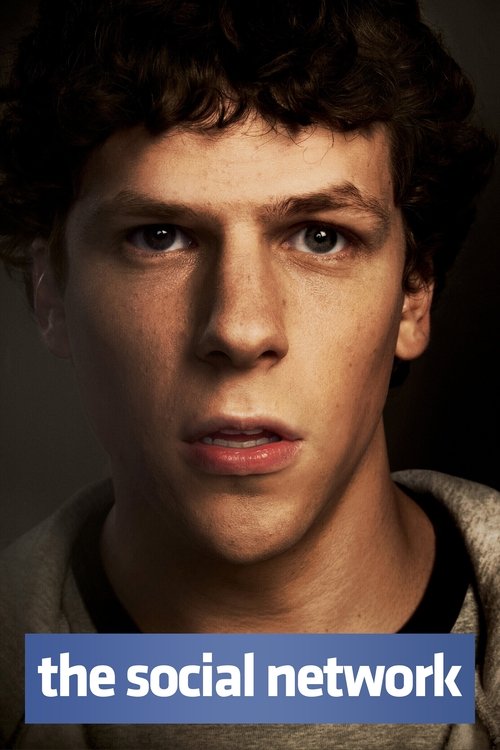
The Social Network remains the gold standard for adapted screenplays, and its influence was visible all over the 2024 landscape. Aaron Sorkin took a book about the founding of Facebook and found the human wound underneath it: a story about a brilliant person who can build a platform connecting millions of people but can’t maintain a single genuine friendship. The deposition structure , constantly cutting between timelines , gave the film a propulsive rhythm that’s been imitated endlessly since.
Folie à Deux’s screenplay took the opposite approach: instead of building momentum, it deliberately slows everything down, forcing you to sit with Arthur Fleck’s diminishment rather than his rise. The musical numbers interrupt narrative momentum in a way that feels intentional , Phillips and Scott Silver want you uncomfortable.
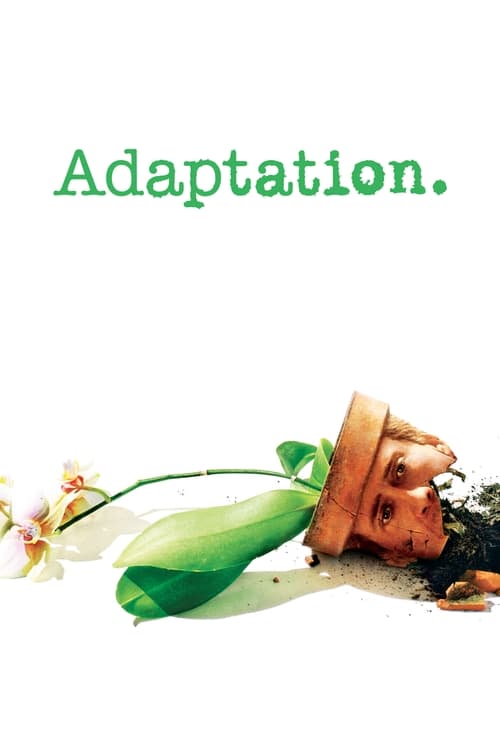
For Original Screenplay, the Academy tends to favor scripts that feel inventive in structure or voice. Think Adaptation., Charlie Kaufman’s impossibly meta screenplay about the act of writing a screenplay. Nicolas Cage plays both Kaufman and his fictional twin brother, and the script folds in on itself so many times that it becomes genuinely unclear where the “real” story ends and the adaptation begins. That kind of structural audacity is rare, and when it shows up in the Original Screenplay category, it tends to get recognized.
The Technical Craft: Where Movies Are Actually Made
Here’s my annual reminder that the technical categories are where the real artistry happens, and the 2024 ceremony had some genuinely interesting races.
Cinematography is the award I care about most passionately, because how a film looks determines how it feels. The 2024 nominees showcased different philosophies of visual storytelling. Folie à Deux adopted a desaturated, claustrophobic palette , the Arkham sequences feel like the walls are closing in, and the courtroom scenes are lit with this sickly institutional fluorescence that makes everyone look slightly ill. It’s not beautiful in a traditional sense, but it’s purposeful.
Sound design was another strong category. The musical elements in Folie à Deux created a fascinating challenge: how do you mix fantasy musical numbers with gritty courtroom drama without the tonal shifts giving the audience whiplash? The answer, in the film’s best moments, is that you don’t try to smooth them over , you let the contrast do the work.
What the 2025 Ceremony Tells Us About the Academy
Stepping back from individual categories, what did the 97th Academy Awards reveal about where Oscar voters are in 2025?
First, the Academy is still wrestling with sequels. Folie à Deux forced a conversation about whether a sequel to a comic book movie belongs in the Oscar conversation, regardless of how art-house its ambitions are. The first Joker won Phoenix his Oscar and earned a Best Picture nomination. The sequel went even further from conventional superhero filmmaking, and the Academy’s response told us a lot about their evolving boundaries.
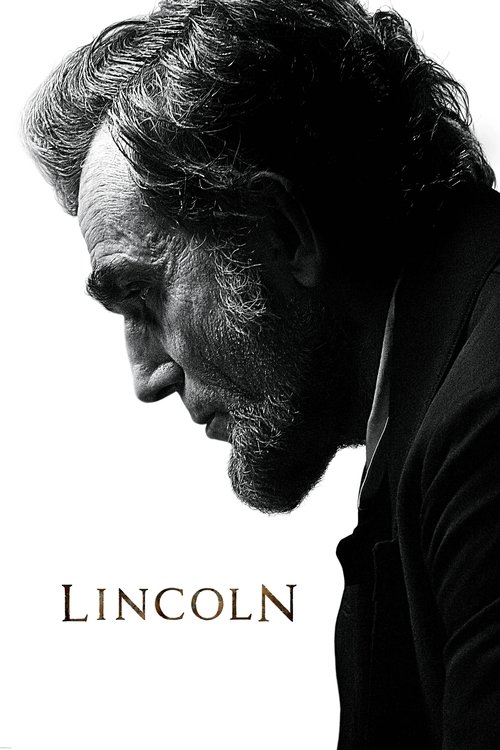
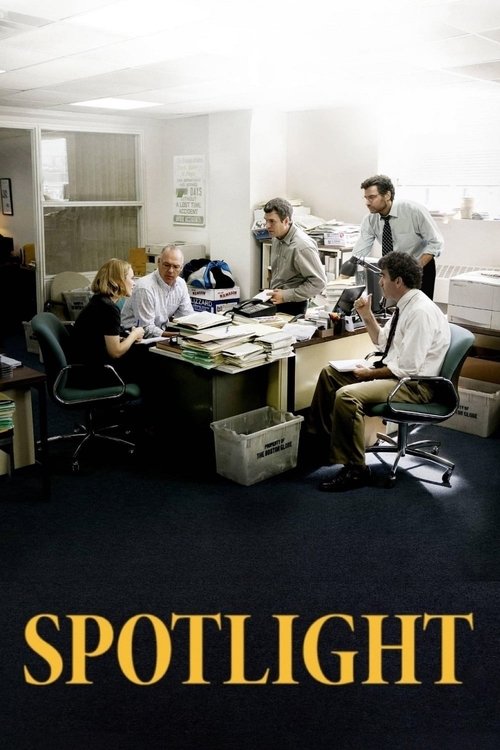
Second, the biopic instinct is alive and well. The Academy has always gravitated toward stories about real people. A Beautiful Mind won Best Picture by turning John Nash’s mathematical genius and schizophrenia into a puzzle-box narrative. Spotlight won by doing the opposite , stripping away all stylistic flash to let the journalism speak for itself. Lincoln earned Daniel Day-Lewis his third Oscar through sheer gravitational force of performance, turning political horse-trading into something Shakespearean.
The 2024 cycle continued this pattern. The Academy loves when they can honor both a film and the real events behind it , it makes them feel like voting for a movie is also voting for truth.
Third, the acting categories increasingly reward commitment to physical and psychological transformation. Reese Witherspoon’s June Carter Cash in Walk the Line won because you could see her inhabiting someone specific , the vocal patterns, the posture, the way she holds herself around Johnny Cash with this mix of attraction and wariness. That template , disappearing into a real person , remains the Academy’s favorite flavor of acting.

The Oppenheimer Shadow
I’d be remiss not to mention the ghost hanging over the 2025 ceremony: Oppenheimer, which dominated the 96th Academy Awards in March 2024, sweeping Best Picture, Best Director for Christopher Nolan, Best Actor for Cillian Murphy, and Best Supporting Actor for Robert Downey Jr. That film set the bar impossibly high.
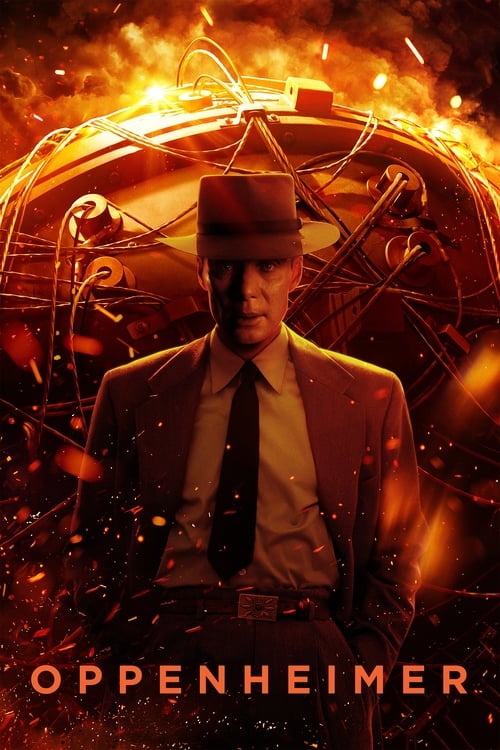
The 2024 film class was always going to struggle with that comparison. Oppenheimer was a once-in-a-decade convergence: a director finally getting his due, a lead performance that will define a career, technical filmmaking that pushed actual format boundaries (shooting black-and-white IMAX for the first time), and a subject that resonated with global anxieties about existential risk. The Trinity test sequence , that agonizing silence before the delayed blast , remains one of the most effective uses of sound in any film I’ve seen.
The 97th ceremony existed partly in that shadow, and the results reflect it. The 2024 nominees were, as a group, more modest in scope but not necessarily in ambition.
What the Academy Gets Wrong (Historically Speaking)
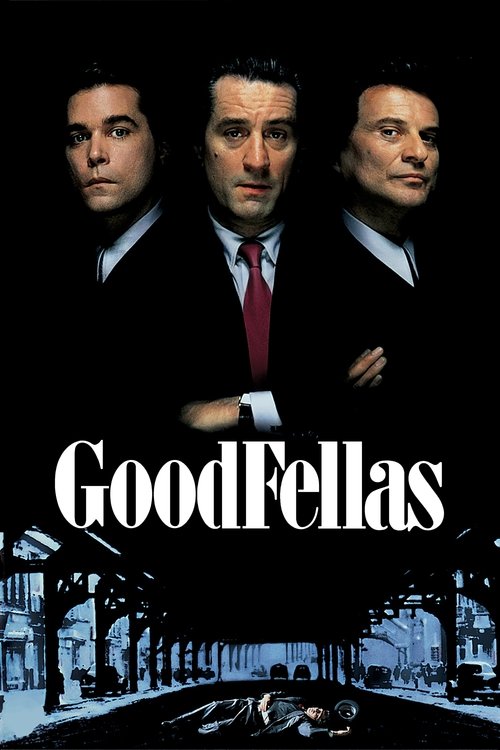
No Oscar retrospective is complete without acknowledging the Academy’s long track record of baffling decisions. Goodfellas losing Best Picture to Dances with Wolves remains the ur-example. Martin Scorsese made what many consider the greatest American crime film ever , the Steadicam Copacabana shot alone is worth more than most entire movies , and the Academy went with Kevin Costner’s earnest western.
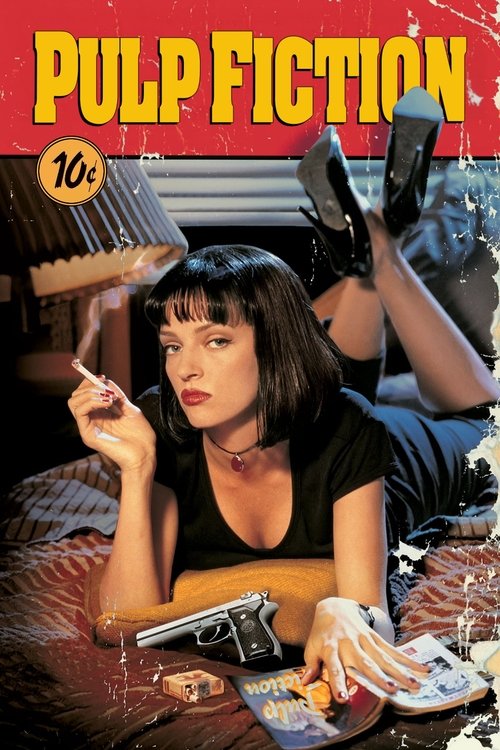
Or consider Pulp Fiction, which lost to Forrest Gump. Tarantino reinvented narrative structure for a generation of filmmakers, and the Academy chose heartwarming sentimentality. The royale with cheese dialogue. The adrenaline needle scene. The non-linear storytelling that made every film student rethink what a screenplay could be. And it lost to a movie about a guy on a bench.
These historical misfires are relevant because they establish a pattern the 2025 ceremony continued: the Academy consistently prefers the tasteful over the audacious, the respectable over the revolutionary. Understanding that tendency is the key to understanding any Oscar result, including the ones from March 2025.
Looking Ahead
Now, with the 98th Academy Awards approaching next year, the question is whether the Academy will continue the patterns the 2025 ceremony reinforced, or whether a new wave of filmmaking will force their hand. The best Oscar years happen when the films are so good that even the Academy can’t make a bad choice. 2024’s output was solid but uneven, which gave voters room to default to their usual instincts.
Whatever your feelings about how the 97th ceremony played out, it was a year worth arguing about , and any year that generates genuine debate about what we value in filmmaking is a good one. Browse our full collection to catch up on past winners and nominees, or explore more drama films to dig into the films that defined the 2024 landscape. The arguments aren’t going anywhere, and honestly, that’s the whole point.
Discover Your Next Favorite Film
Browse our curated collection of movie trailers and find something new to watch tonight.
Browse Trailers