Network at 50: Looking Back at the 1976 Satire That Predicted Everything
Films.io Editorial
5 min read
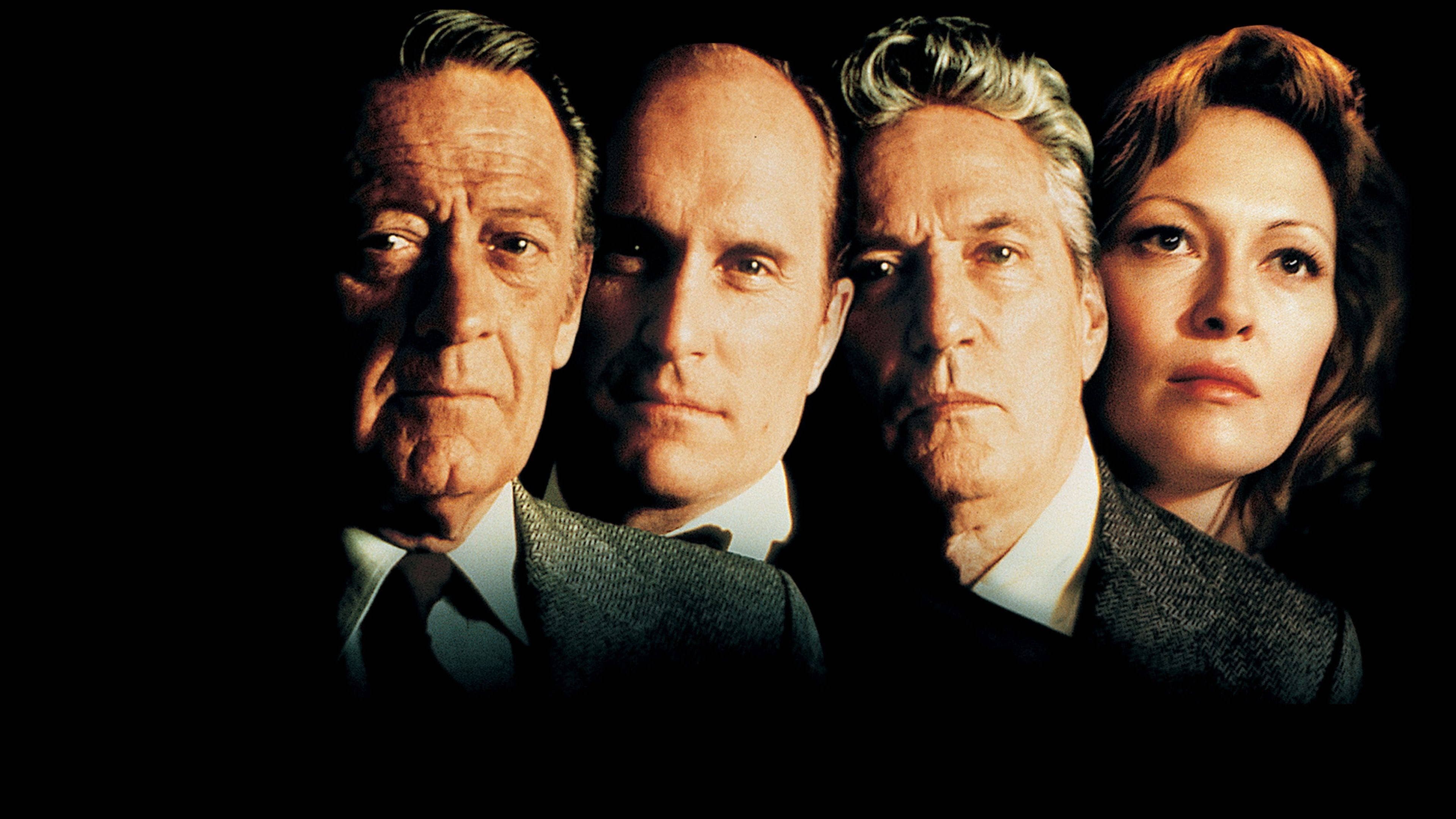
“I’m as mad as hell, and I’m not going to take this anymore!”
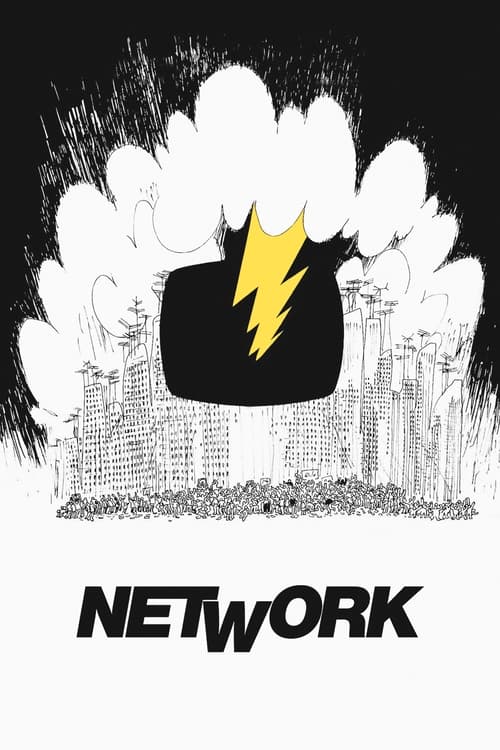
You know that line. Everyone knows that line. But here’s what’s unsettling about watching Network in 2026, on its 50th anniversary: the line doesn’t feel like a quote from a movie anymore. It feels like something you’d read in a comment section, hear at a rally, or see screened across a cable news chyron. Sidney Lumet’s 1976 satire about the collapse of broadcast journalism into pure entertainment has spent half a century getting more accurate, not less. The Network 50th anniversary isn’t just a milestone for a great film. It’s a reckoning.
Paddy Chayefsky wrote the screenplay in the mid-1970s, when television news was just beginning to prioritize ratings over reporting. The premise felt wild at the time: a failing network exploits a mentally unraveling anchorman, Howard Beale, turning his on-air breakdowns into appointment viewing. Executives don’t care that the man is sick. They care that the numbers are up. Fifty years later, that’s not satire. That’s a business model.
“I Want You to Get Mad”
The scene everyone remembers is the window scene. Howard Beale, played by Peter Finch in the performance that won him a posthumous Oscar, tells his audience to go to their windows and scream. And they do. Across the city, people lean out and howl into the night. It’s exhilarating and horrifying at the same time, because Beale isn’t offering solutions. He’s offering catharsis. And the network loves it.
What Lumet understood, and what Chayefsky articulated with surgical precision, is that anger is the most addictive programming on television. Beale doesn’t inform anyone. He doesn’t investigate. He yells. The audience feels something for a few minutes, then they tune in again tomorrow night for another fix. If that doesn’t describe the past two decades of cable news and social media algorithms, I don’t know what does.
Finch is extraordinary in the role, walking a razor’s edge between prophet and madman. You can’t tell if Beale is having a genuine revelation or a psychotic break, and the film argues there’s no meaningful difference when the cameras are rolling. The network doesn’t care which it is. Neither, eventually, does the audience.
Faye Dunaway and the Death of Human Connection
The other performance that still hits like a truck is Faye Dunaway as Diana Christensen, the programming executive who sees Beale as content before she sees him as a person. Dunaway plays her as someone who has been so completely consumed by the logic of television that she’s lost the ability to relate to human beings on any terms other than ratings and demographics.
There’s a devastating scene where she’s in bed with William Holden’s character, Max Schumacher, and she can’t stop talking about programming. She reaches climax while pitching show ideas. It’s funny and awful. Chayefsky isn’t being subtle, and he doesn’t need to be. Diana is what happens when someone internalizes the machine so completely that they become indistinguishable from it.
Dunaway won the Oscar for this role, and she deserved it. But what makes her work so lasting is how recognizable Diana has become. She’s every tech executive who talks about “engagement” instead of people. She’s every media boss who sees a tragedy and wonders about the ratings bump. Chayefsky wrote her as a warning. She became a job description.
The Ned Beatty Speech
If you’ve only seen clips of Network, you’ve probably seen the Beale rant. You might have missed the Ned Beatty scene. That’s a mistake, because it might be the most important four minutes in the entire film.
Beatty plays Arthur Jensen, the chairman of the conglomerate that owns the network. He summons Beale to a darkened boardroom and delivers a monologue about the real structure of the world. There are no nations, he says. There are no peoples. There is only one holistic system of systems, one vast interwoven, interacting, multivariate, multinational dominion of dollars. It’s terrifying because Beatty doesn’t play it like a villain. He plays it like a man explaining simple facts to a child.
And then Beale starts preaching Jensen’s message on television. The ratings drop. The audience doesn’t want to hear about the way things actually work. They wanted the anger. They wanted the catharsis. So the network has Beale assassinated on live television to boost sweeps numbers.
In 1976, that ending was absurd. A dark joke. The kind of satirical excess you laugh at nervously. Fifty years on, the only unrealistic part is that they waited for sweeps.
Sidney Lumet Knew Something the Rest of Us Didn’t
Lumet directed the film with a deliberate visual strategy that’s easy to miss if you aren’t paying attention. The movie begins looking like a prestige drama of the 1970s: warm, naturalistic, lots of earth tones. As the story progresses and television consumes everything, the color palette shifts. The lighting gets flatter, harsher, more fluorescent. By the end, the film itself looks like television. Lumet is showing you the medium eating reality in real time, and he’s doing it through the camera instead of the dialogue.
This is what separates Network from lesser media satires. Lumet doesn’t just tell you that television is dangerous. He demonstrates it formally. The style of the film is the argument. That’s filmmaking at a level most directors never reach.
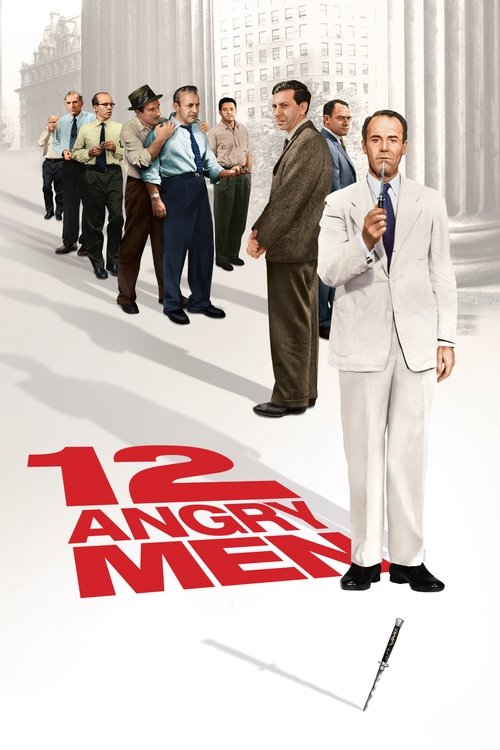
Lumet spent his career making films about systems and the people trapped inside them. 12 Angry Men examined how group pressure warps individual judgment in a single jury room. Network takes that thread about institutional pressure and follows it to its bleakest conclusion: the spectacle has won, and it doesn’t care what it destroys.
Where the Film Shows Its Age
Here’s the honest criticism: some of Network has dated. The subplot involving the Ecumenical Liberation Army, a Patty Hearst-style radical group that gets its own reality show, is the broadest part of the film. Chayefsky’s satirical aim is on target, but the execution feels heavy-handed compared to the razor-sharp boardroom scenes. The revolutionaries negotiating profit participation in their own exploitation is a sharp idea, but the scenes play like sketches from a different movie.
William Holden’s character, the principled journalist who watches everything fall apart, also functions more as a mouthpiece than a fully realized person. He’s the Greek chorus, there to tell us how bad things have gotten. Holden does good work, but the role asks him to be the voice of reason in a film that’s much more interested in unreason.
These are minor complaints. The core of the film, the machinery of entertainment consuming journalism, truth, and finally human life, is as precise and devastating as it was in 1976. More so.
Fifty Years of Getting Worse
Network was nominated for ten Academy Awards and won four, including Best Actor, Best Actress, Best Supporting Actress for Beatrice Straight (who holds the record for shortest screen time to win an Oscar), and Best Original Screenplay. Critics admired it. Audiences enjoyed it. And then the world spent the next five decades proving Chayefsky right about absolutely everything.
Cable news turned anger into a 24-hour product. Reality television made exploitation a genre. Social media algorithmically perfected what Howard Beale stumbled into by accident: the discovery that rage drives engagement better than anything else. You can draw a straight line from the UBS Evening News to every platform currently monetizing outrage.
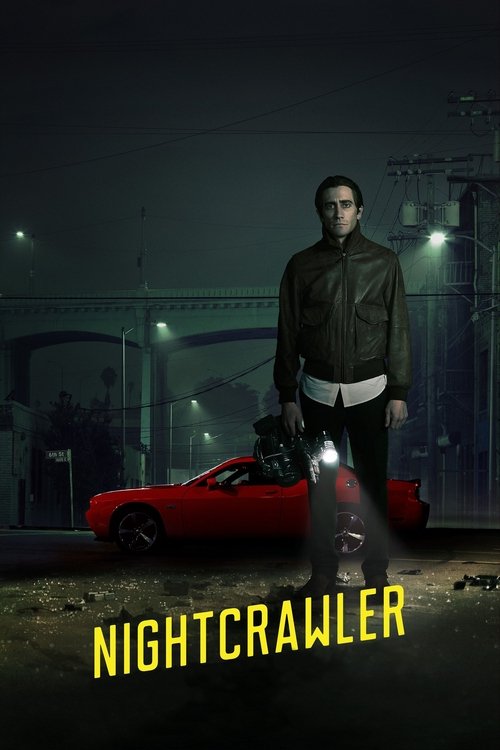
Other films have tried to tackle media criticism since. Some are good. Nightcrawler gave us Jake Gyllenhaal as a sociopathic stringer who feeds the beast of local news, and it’s the closest anyone has come to matching Chayefsky’s venom. But even that film operates in the shadow of what Network established. Most media satires pull their punches in the third act. Network doesn’t pull anything. It ends with a murder disguised as programming, and it’s played for laughs.
Fifty years after its release, Network doesn’t feel like a period piece. It doesn’t feel like a classic you admire from a distance. It feels like a documentary that was accidentally made forty years too early. If you haven’t watched it recently, do yourself a favor and sit down with it. Just be prepared: you won’t laugh as much as you expect to. And the parts that are supposed to be jokes will sound a lot like the news. Browse more great dramas in our collection and see if anything hits this hard.
Discover Your Next Favorite Film
Browse our curated collection of movie trailers and find something new to watch tonight.
Browse Trailers