The Lord of the Rings: Fellowship at 25
Films.io Editorial
5 min read
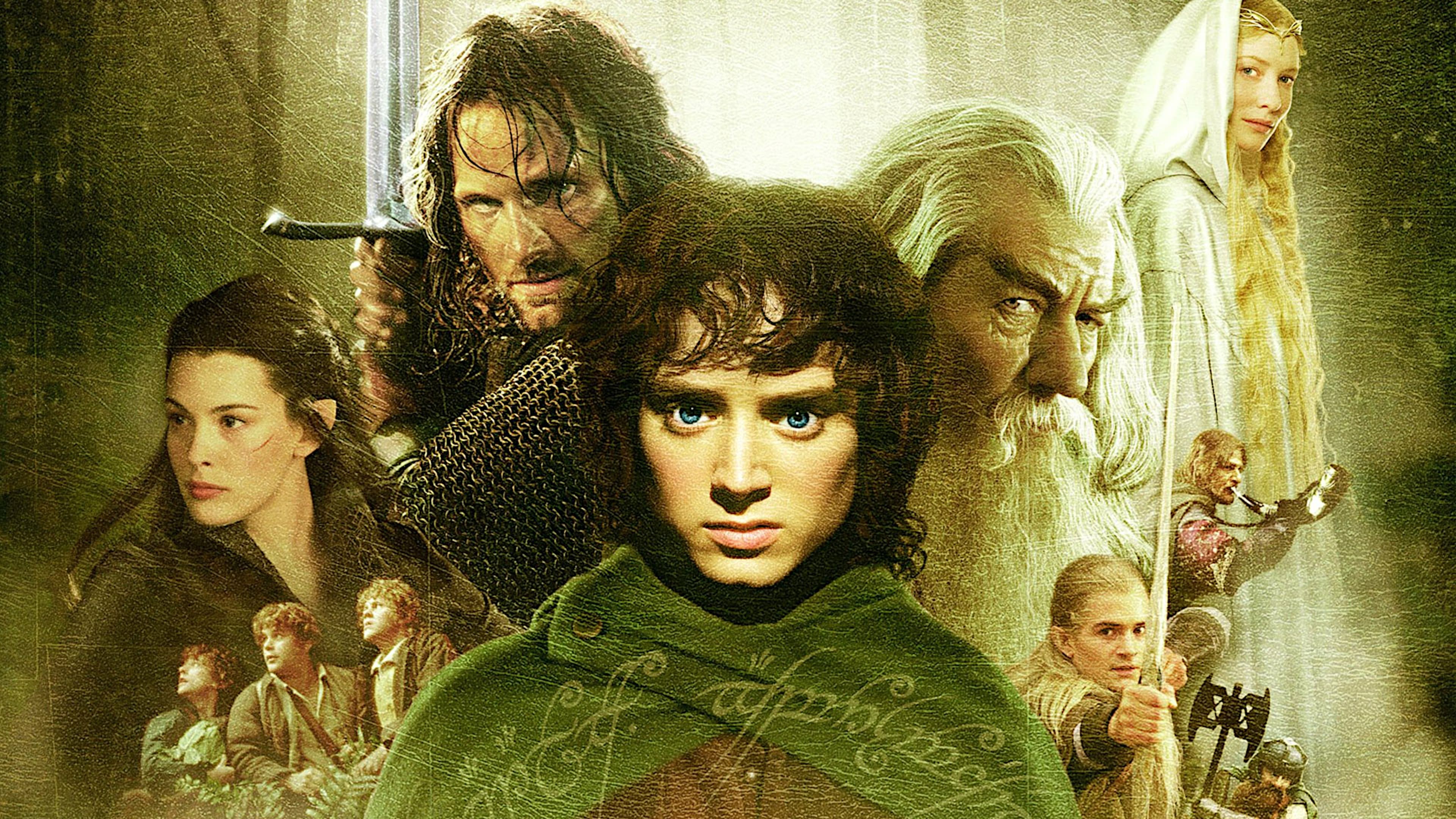
Twenty-five years ago this past December, a relatively unknown New Zealand filmmaker convinced a major studio to let him shoot three massive fantasy epics back-to-back in his home country. The gamble paid off in ways nobody could have predicted. The Lord of the Rings: The Fellowship of the Ring opened in December 2001 and permanently changed what audiences expected from fantasy filmmaking. On the Fellowship of the Ring 25th anniversary, it’s worth going back to that first film and asking: does it still hold up? The answer, without hesitation, is yes. It holds up better than most blockbusters made last year.
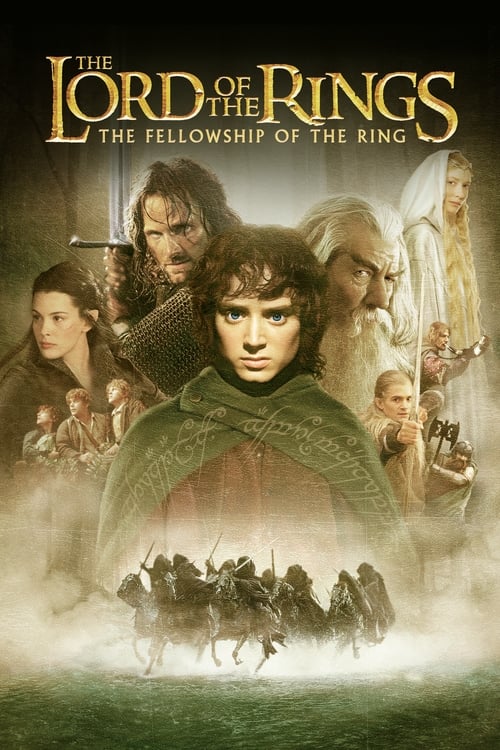
Peter Jackson’s adaptation of Tolkien’s opening volume did something that seemed impossible at the time. It took a dense, dialogue-heavy, world-building novel and turned it into a genuinely emotional movie experience. Not a campy one. Not a dumbed-down one. The Fellowship of the Ring treated its audience like adults who could handle three hours of hobbits, elves, and walking. And the audience responded by making it one of the biggest hits of the decade.
The Prologue That Set the Standard
Think about that opening. Cate Blanchett’s voiceover. The fall of Sauron. The Ring slipping off Isildur’s finger. In five minutes, Jackson establishes thousands of years of history without losing the audience. That prologue is a masterclass in visual storytelling, and it’s easy to forget how risky it was. Nobody had done anything like it in a mainstream blockbuster before. The closest comparison might be the opening crawl in Star Wars, but Jackson went bigger, darker, and more operatic.
What makes it work is Andrew Lesnie’s cinematography. The guy shot New Zealand like it was another character in the film. The Shire looks like somewhere you’d actually want to live, all rolling green hills and golden afternoon light. Then Mordor looks like the end of the world. That visual contrast does half the storytelling for Jackson. You don’t need a character to explain why Mordor is bad. You can feel it.
Ian McKellen Carries the Whole Thing
Let’s be honest about something. The cast of Fellowship is excellent across the board, but Ian McKellen’s Gandalf is the performance that holds it all together. He’s warm without being soft. He’s powerful without being invincible. The scene in Bag End where Bilbo refuses to give up the Ring, and Gandalf’s face shifts from patience to quiet terror, is some of the best acting in any blockbuster, period. McKellen got an Oscar nomination for this role, and he deserved to win.
Viggo Mortensen’s Aragorn is the other standout. He barely speaks in some scenes, but he carries this weight of destiny that you can see in his posture, in the way he handles his sword. The moment at the end where he tells Frodo to go, kneeling before this tiny hobbit, choosing to let him walk into danger alone? That’s not CGI. That’s an actor making you believe in something absurd.
And yes, the hobbits are great too. Elijah Wood gives Frodo a vulnerability that makes you worry for him constantly. Sean Astin’s Sam is the heart of the whole trilogy, and you can already see it forming here. The “I made a promise, Mr. Frodo” scene at the river is the emotional climax of the movie, not the big battle at Amon Hen.
The Mines of Moria Still Hit Different
If you want to talk about a perfect sequence in a fantasy film, talk about the Mines of Moria. The quiet dread of entering the mines. The discovery of the dwarves’ tombs. “They have a cave troll.” The slow drumbeats. And then the Balrog.
Twenty-five years later, that Balrog still looks incredible. A lot of early 2000s CGI has aged poorly, but Weta Workshop’s practical-digital hybrid approach gave Fellowship a tactile quality that pure digital effects can’t replicate. The orcs look real because many of them were actors in prosthetics. The locations feel real because many of them were real sets built at enormous scale. When the Fellowship runs across the crumbling staircase in Moria, you can feel the stone under their feet because stone was actually there.
Gandalf’s fall on the Bridge of Khazad-dûm remains one of the most gut-punching moments in fantasy cinema. “Fly, you fools.” The way the music drops out. Frodo’s scream. Jackson understood that the most powerful special effect is an audience that cares about the characters.
Where It Stumbles (Just a Little)
I’m not going to pretend Fellowship is flawless. The Council of Elrond scene is too long. It’s the one stretch where the movie feels like it’s checking boxes from the book rather than telling its own story. Hugo Weaving does his best, but there’s only so much you can do with a scene that’s essentially a board meeting about jewelry.
The pacing in the first act can also feel slow on rewatch, particularly the extended Shire sequences before Frodo leaves. Jackson clearly loved the Shire and wanted to luxuriate in it, and while that patience pays off emotionally later, it does ask a lot of first-time viewers. The theatrical cut handles this better than the extended edition, honestly. The extended cut adds wonderful details, but it also lets some scenes breathe a little too long.
And Legolas. Orlando Bloom is fine, but the character is essentially a cool-looking action figure in this first film. He doesn’t get real personality until the later entries, and even then, it’s mostly defined by his rivalry with Gimli. But these are minor gripes about a film that gets so much right.
What Fellowship Changed
It’s hard to overstate what Fellowship did to Hollywood. Before Jackson’s trilogy, fantasy was considered a dead genre for studios. The conventional wisdom was that mainstream audiences wouldn’t sit through elves and magic for three hours. Game of Thrones, the Hobbit trilogy, the recent wave of fantasy television, none of it happens without Fellowship proving the market existed.
But here’s the thing that’s easy to miss. Nobody has really matched what Jackson did. The adventure films that followed in its wake mostly learned the wrong lessons. They copied the scale but missed the intimacy. Fellowship works because it’s ultimately a story about nine people who care about each other walking into danger. The battles matter because the friendships matter.
The film also revived the idea that practical effects and location shooting could coexist with digital technology. Jackson didn’t choose between old-school and new-school. He used both, and the result felt more grounded than anything purely digital could achieve. Weta’s blend of miniatures, prosthetics, forced perspective, and early digital compositing created a visual language that still feels organic. You can see its influence in every big-budget production that bothers to build real sets instead of relying entirely on LED volumes.
Howard Shore’s Score Deserves Its Own Section
Talk about Fellowship for any length of time and you’ll end up talking about the music. Howard Shore’s score isn’t just good film music. It’s one of the great orchestral compositions of the 21st century. The Shire theme, with its tin whistle and gentle strings, instantly communicates home and safety. The Fellowship theme, bold and striding, makes you feel like you could walk to Mordor yourself. And the Ring theme, that creeping, dissonant choral piece, gets under your skin every time.
Shore used leitmotifs the way Wagner did, assigning musical identities to cultures, characters, and ideas. It’s sophisticated composition that also works on a gut level. When “The Bridge of Khazad-dûm” track kicks in, you don’t need to understand music theory to feel the grief and terror. You just feel it.
Twenty-Five Years Later
Watching The Fellowship of the Ring in 2026 is a strange experience. The film feels both timeless and very specifically of its era, made before the franchise model consumed Hollywood, before every studio demanded a cinematic universe. Jackson wasn’t setting up spin-offs. He was telling one story across three films, and this first chapter is the most self-contained of the three. It has a beginning, a middle, and an ending that breaks your heart.
The sequels, The Two Towers and The Return of the King, expanded the scale and delivered some of the most spectacular battle sequences ever filmed. Return of the King swept the Oscars in a way that felt like the Academy honoring the entire trilogy at once. But Fellowship is where the magic started, and for my money, it’s the most emotionally pure of the three.
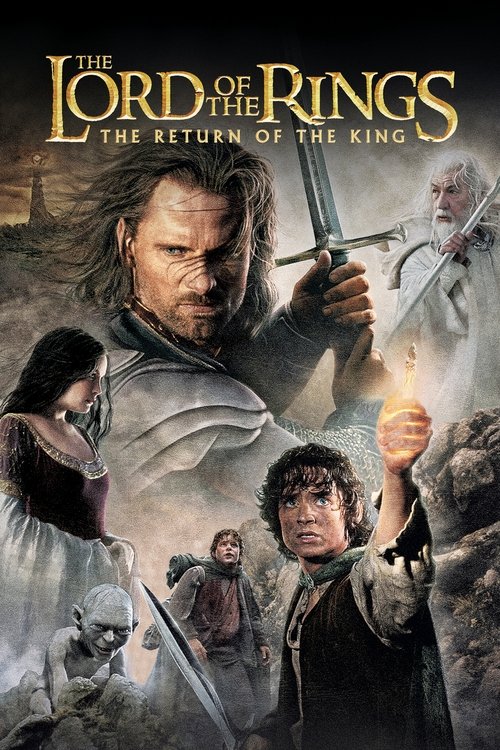
If you haven’t watched it recently, go back. Not the extended edition, not with your phone in your hand. The theatrical cut, on the biggest screen you can find. Twenty-five years on, The Fellowship of the Ring is still the gold standard for what fantasy filmmaking can be. Browse more adventure films in our collection if you’re looking for that same sense of wonder.
Discover Your Next Favorite Film
Browse our curated collection of movie trailers and find something new to watch tonight.
Browse Trailers