14 Movies That Demand Full Attention (Phone Down)
Films.io Editorial
5 min read
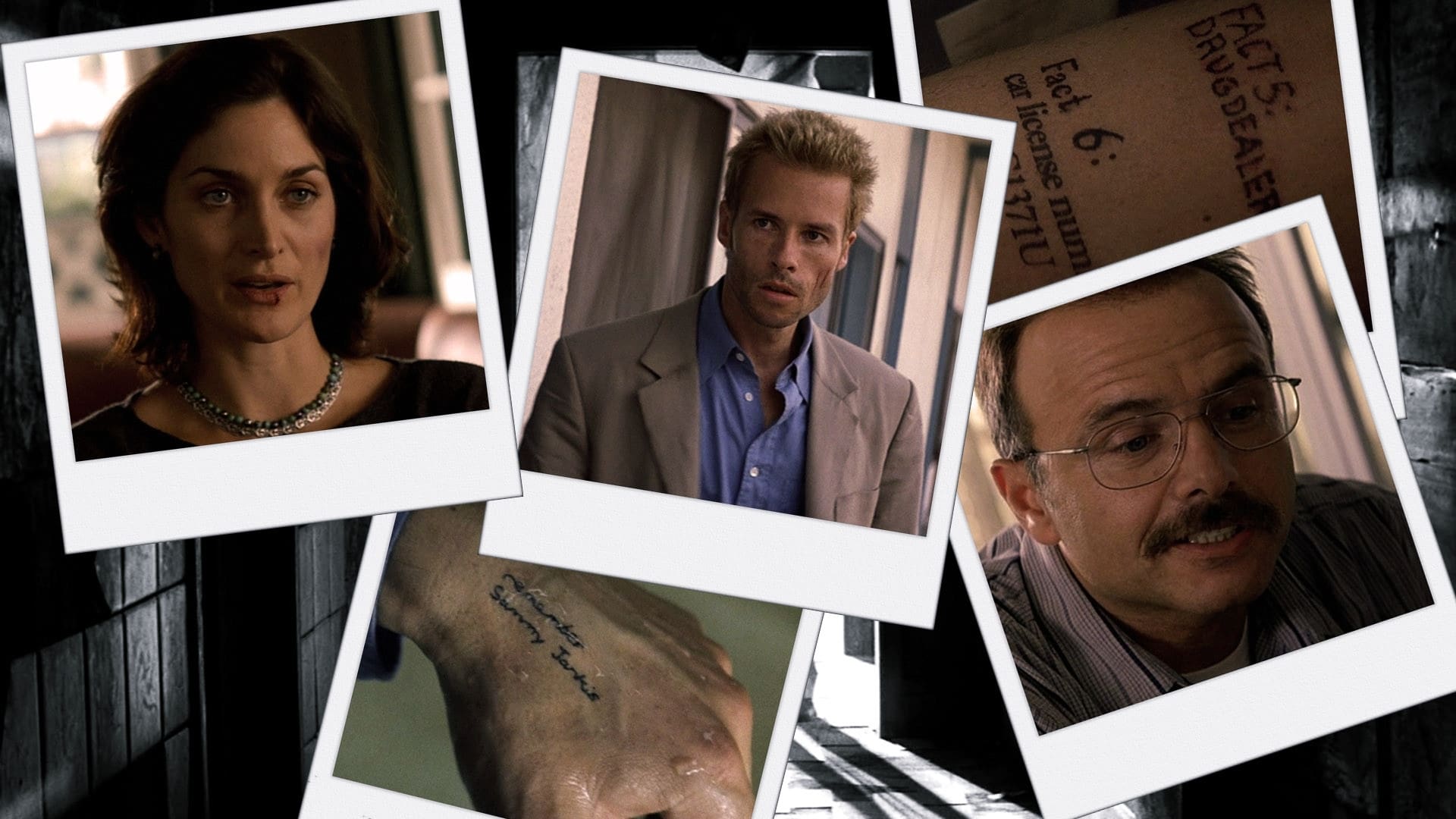
Some movies are fine as background noise. You can fold laundry, scroll through Instagram, glance up every few minutes, and still follow the plot. These are not those movies. The films on this list are demanding, the kind that require full attention from the first frame to the last. Take Memento, Christopher Nolan’s reverse-chronological thriller. Miss one tattoo, one Polaroid note, one whispered name, and the entire puzzle collapses in your hands. That’s the standard we’re working with here.
Look away for thirty seconds during any of these fourteen picks and you’ll miss a crucial detail, a visual clue buried in the background, or an entire shift in what you thought the story was about. Put the phone down. Dim the lights. These films will reward every second of concentration you give them.
Some are structurally complex, built on non-linear timelines or unreliable narrators. Others are so visually dense that every shot carries meaning. A few are simply so tense that blinking feels like a risk. What connects them all: they don’t hold your hand, and they don’t repeat themselves for the cheap seats. Here are fourteen movies that genuinely earn the “phone down” label, no filler included.
The Reverse-Engineered Puzzle
1. Memento (2000)
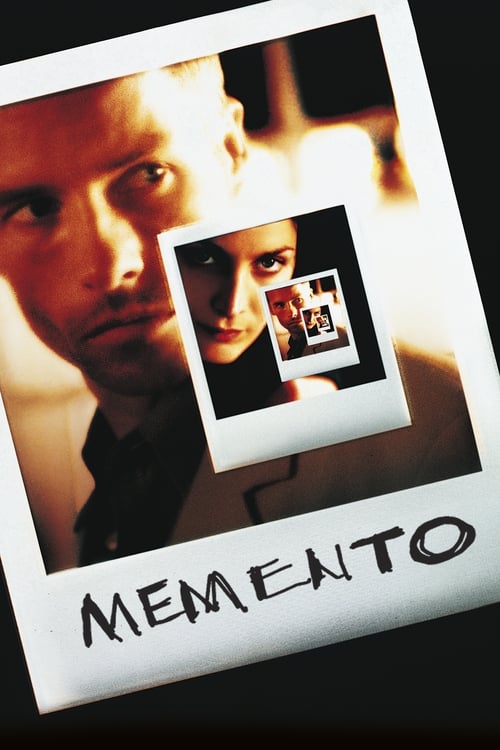
Christopher Nolan’s breakout film tells its story in reverse chronological order. Every scene recontextualizes the one before it, and if you miss a single detail, a tattoo, a Polaroid note, a name whispered in passing, the whole puzzle collapses. Guy Pearce carries you through a world where trust is impossible and memory is a weapon. This is the gold standard for demanding cinema, and it’s the reason Nolan got to make everything that came after.
2. Tenet (2020)
Let’s be honest: even people who watched Tenet with total focus still needed a second viewing. Nolan’s time-inversion spy thriller throws inverted entropy, temporal pincer movements, and backwards fight choreography at you without slowing down to explain any of it. The dialogue is already half-buried under Ludwig Göransson’s score. John David Washington does his best to anchor you, but the film is designed to outpace comprehension on first watch. You don’t stand a chance with your phone out.
3. Perfect Blue (1998)
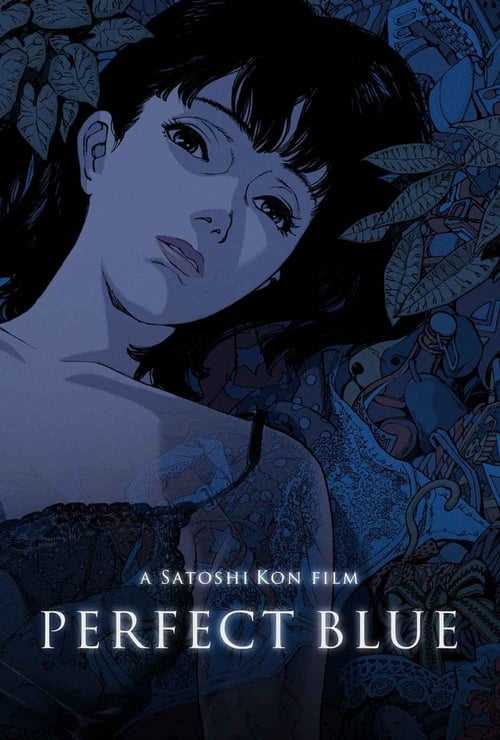
Satoshi Kon’s animated psychological thriller blurs the line between reality and delusion so aggressively that you genuinely won’t know what’s real by the halfway mark. Scenes transition mid-cut from a TV show set to Mima’s apartment to a fantasy sequence, and Kon gives you zero warning. The animation isn’t a softening agent here. It’s the delivery system for some of the most disorienting editing in cinema history. Miss a transition and you’ll be lost for the next fifteen minutes.
Information Overload by Design
4. Zodiac (2007)
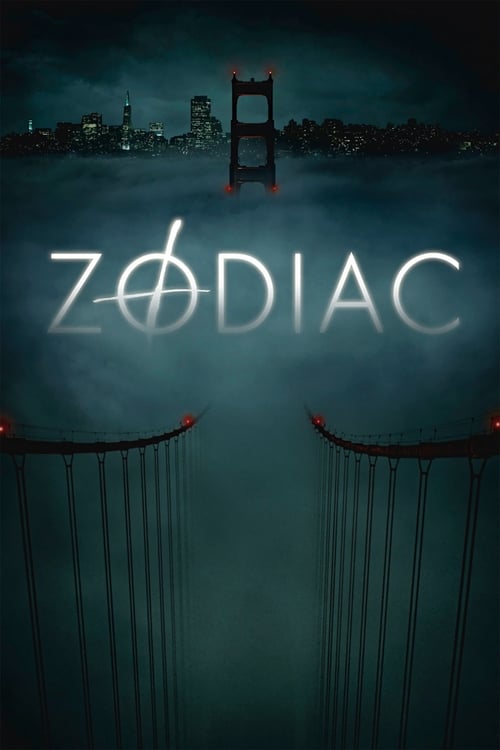
David Fincher’s procedural thriller runs nearly two hours and forty minutes, and every single minute is loaded with names, dates, handwriting samples, and circumstantial evidence. This film recreates the obsession of its characters by drowning you in information. Jake Gyllenhaal’s Robert Graysmith starts as a curious bystander and becomes a man consumed, and the film does the same thing to you. You have to track it all, or the devastating conclusion about the nature of unsolvable cases won’t land.
5. The Departed (2006)
Scorsese’s dual-mole thriller requires you to track two parallel infiltrations simultaneously. Who knows what, who suspects whom, and which phone call is going to blow which cover. Leonardo DiCaprio and Matt Damon are mirror images of each other, and the tension ratchets up because every conversation carries double meaning. The film’s final stretch moves so fast that one bathroom break could mean missing a major character death. Or two. Or three.
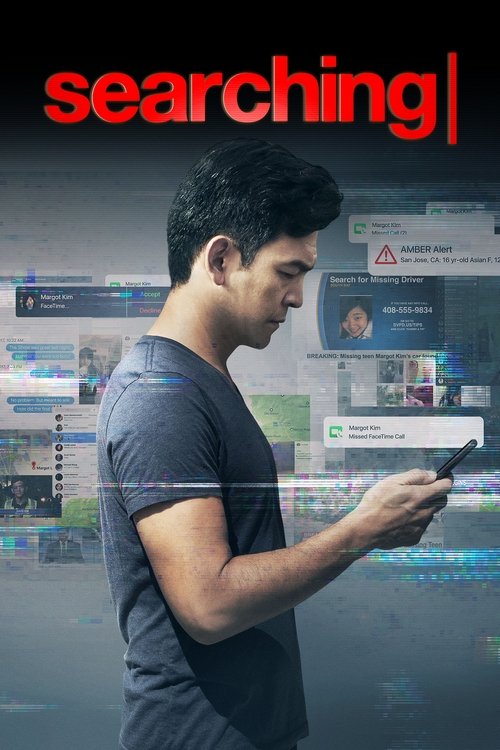
6. Searching (2018)
The entire film unfolds on computer screens, phone screens, and news broadcasts. Every frame is packed with text messages, browser tabs, social media profiles, and news tickers that contain real narrative information. Director Aneesh Chaganty hides clues in background windows and half-read notifications. John Cho sells a father’s desperation entirely through keystrokes and cursor movements. This might be the single most phone-hostile movie ever made, because the movie is literally a phone screen that demands you read it.
The Quiet Ones That Cut Deepest
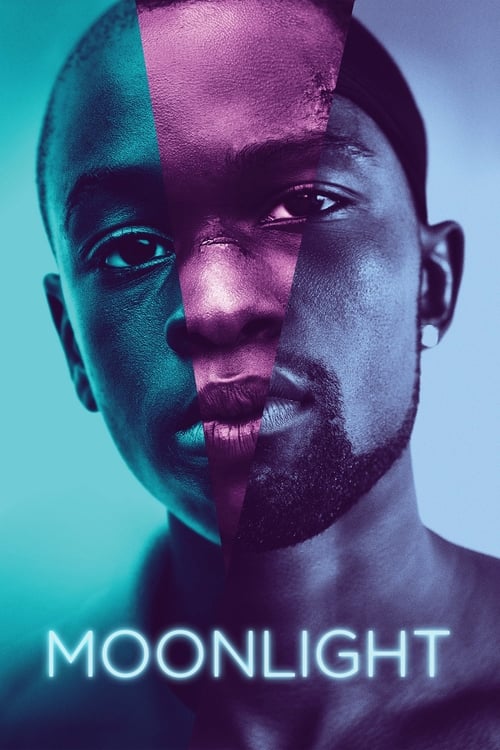
7. Moonlight (2016)
Barry Jenkins tells Chiron’s story across three chapters with three different actors, and the film’s power lives in the quiet spaces between words. A lingering look. The way a hand is held under moonlight on a beach. The long pause before a confession in a diner booth. Jenkins doesn’t underline emotion. He lets it sit there, and if you’re not watching closely, you’ll miss the most devastating moments because they’re also the quietest. Trevante Rhodes barely speaks in the final act, and it’s some of the most emotionally loaded silence you’ll ever watch.
8. Vertigo (1958)
Hitchcock’s masterpiece rewards close watching because its visual obsessions mirror Scottie’s psychological ones. The spirals in the opening credits, the color green, the way Kim Novak is framed and reframed. The film announces its twist fairly early in the second half, then asks you to watch James Stewart’s protagonist fail to see what you already know. That dramatic irony only works if you’re locked in. Nearly seventy years later, the film’s structure still feels radical. Hitchcock trusted audiences more than most modern directors do.
Skin-Crawling Escalation
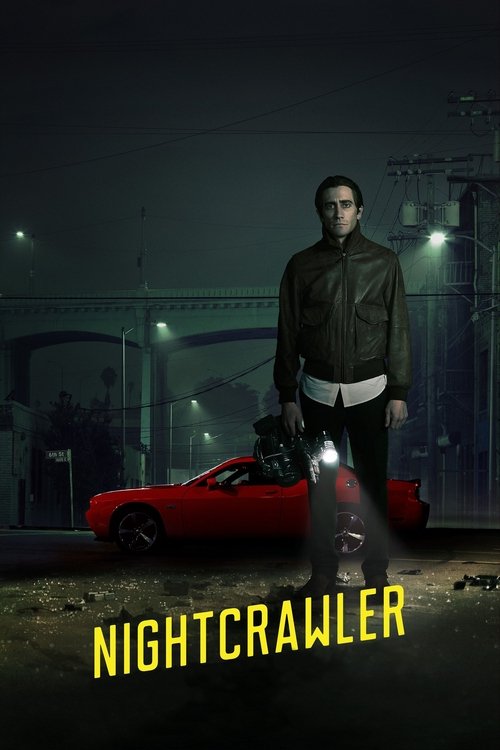
9. Nightcrawler (2014)
Jake Gyllenhaal’s Lou Bloom is so unsettling precisely because of the small details. The way he parrots self-help language. The way his eyes don’t quite register empathy. Director Dan Gilroy builds the escalation from petty theft to something genuinely monstrous in careful increments, and each step is logical in a skin-crawling way. Gyllenhaal lost weight for the role, and there’s something about his gaunt face and unblinking stare that makes every scene feel like a trap closing. Look away and you’ll miss the exact moment he crosses each line.
10. I Saw the Devil (2010)
Kim Jee-woon’s revenge thriller isn’t just violent. It’s structurally demanding because the cat-and-mouse dynamic keeps flipping. Lee Byung-hun’s agent starts as the hunter, but the catch-and-release game he plays with Choi Min-sik’s killer becomes something sicker with each cycle. The film’s moral argument depends on you tracking how each escalation degrades the supposed hero. By the final act, you’re watching a man become the thing he set out to destroy, and the film has been telling you this was coming all along. It’s brutal, yes, but it’s also smart enough to punish inattention.
Mind Games and Manipulation
11. Ex Machina (2014)
Alex Garland’s three-character chamber piece is a slow-motion chess game. Every conversation between Caleb, Nathan, and Ava is layered with manipulation, and the film trusts you to pick up on microexpressions and verbal tells that signal who’s really in control. Oscar Isaac’s Nathan is all swagger and craft beer on the surface, but watch his eyes during the dance scene. The screenplay is tight enough that throwaway lines in act one become critical plot mechanics by act three.
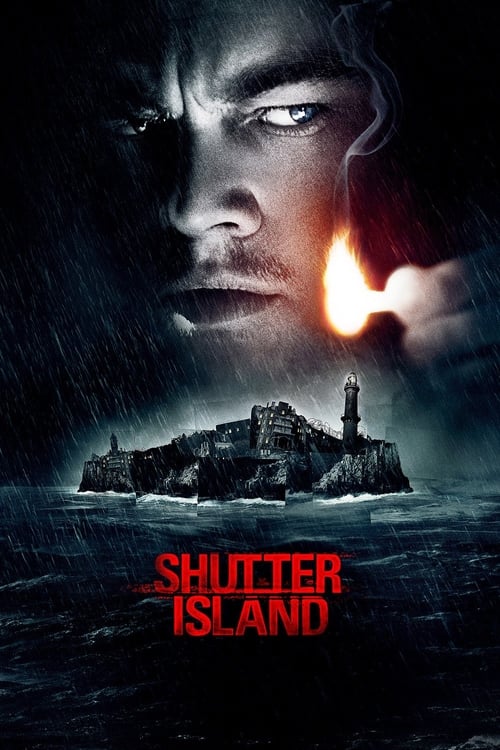
12. Shutter Island (2010)
Scorsese plants clues throughout this psychological thriller that completely reframe the story on rewatch. The first viewing demands attention because you’re trying to solve the mystery alongside Leonardo DiCaprio’s Teddy Daniels. The second viewing demands even more, because suddenly you’re watching every extra, every line reading, every set detail for the truth hiding in plain sight. The scene in the warden’s office, where Ben Kingsley adjusts his tone almost imperceptibly, is the kind of moment that only registers if you’re fully dialed in.
13. Blade Runner 2049 (2017)
Denis Villeneuve’s sequel is deliberately paced, almost hypnotically slow, and packed with visual storytelling that replaces exposition. Roger Deakins shoots environments that tell you everything about this world if you’re actually looking. The orange haze of Las Vegas, the sterile white of Wallace’s compound, the rain-soaked neon of the streets. Ryan Gosling’s K barely speaks above a murmur, and the emotional payoff of his journey depends entirely on whether you’ve been paying attention to what “real” means in this universe.
The Lens You Can’t Look Away From
14. Civil War (2024)
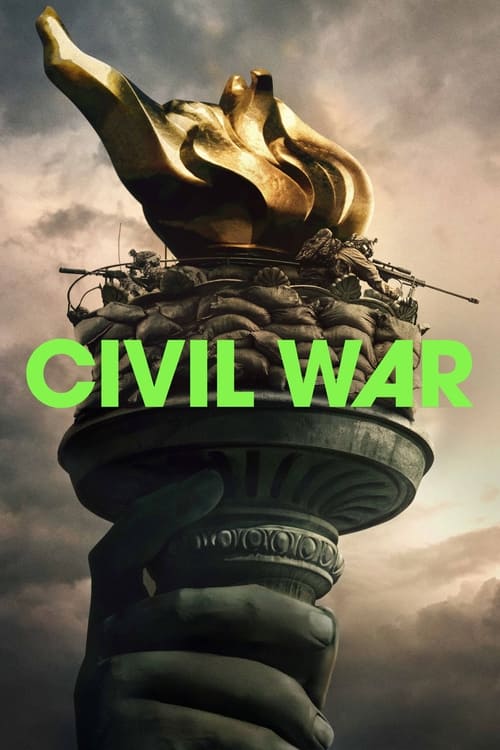
Alex Garland’s war journalism film doesn’t explain its politics, identify its factions clearly, or tell you who to root for. It drops you into a fractured America alongside journalists who are themselves trying to process what they’re seeing. Kirsten Dunst’s Lee carries decades of trauma in the way she holds a camera, and the film communicates through images, through the faces of people caught in violence, and through what’s happening at the edges of the frame. That gas station scene will test whether you can keep your eyes on the screen. It requires the same alertness its characters need to survive.
That’s the list. Fourteen films, and every single one genuinely earns the “phone down” label. I’m not interested in padding a list with movies that are merely good. Every title here has a specific structural, visual, or narrative reason it demands your undivided attention.
If you’re the type of viewer who treats movies as background content, start with Memento or Searching. They’ll cure you of that habit fast. And if you want more films that reward concentration, browse our thriller collection or explore our sci-fi picks. Your phone can wait.
Discover Your Next Favorite Film
Browse our curated collection of movie trailers and find something new to watch tonight.
Browse Trailers