13 Movies You Couldn't Make Today (And Why That's Complicated)
Films.io Editorial
5 min read
Every few years, someone drops the phrase “you couldn’t make that movie today” into a conversation, and the room splits in half. One side nods solemnly. The other rolls their eyes. The truth is messier than either reaction suggests. Some movies you couldn’t make today because of budgets, some because of cultural shifts, and some because the specific conditions that created them simply don’t exist anymore. This isn’t about being nostalgic for “the good old days.” It’s about looking honestly at movies you couldn’t make today and asking what that actually means, film by film.
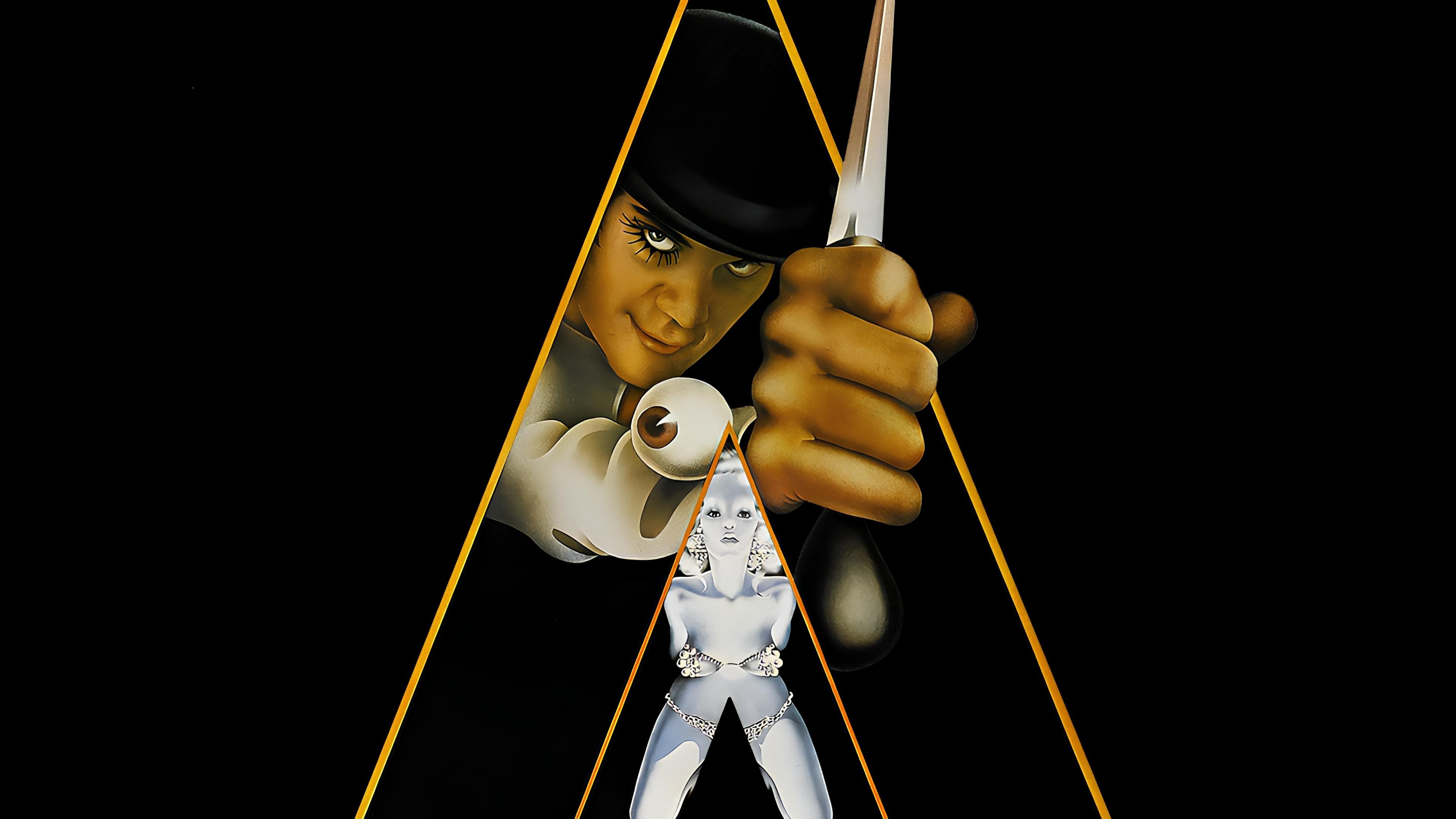
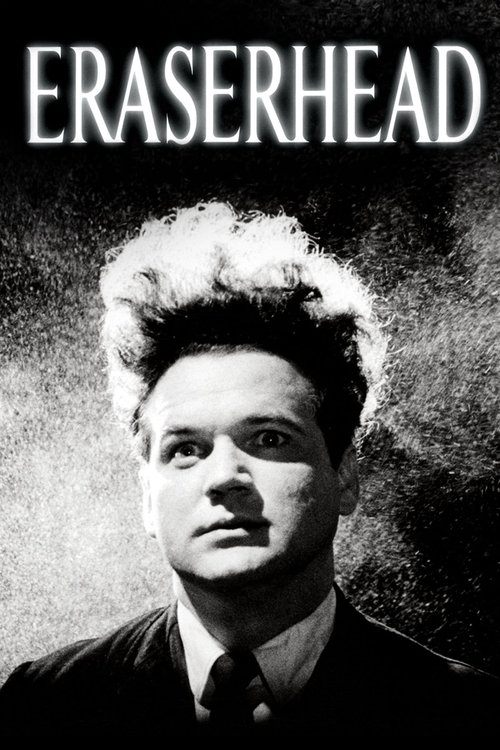
Here’s the thing: “couldn’t make” doesn’t always mean “shouldn’t make.” Sometimes it means a studio wouldn’t greenlight the risk. Sometimes it means the cultural moment has passed. And sometimes, yeah, it means the film handled something in a way that aged poorly. All of those are worth talking about. Consider a film like A Clockwork Orange, Kubrick’s ultraviolent satire that was banned in multiple countries and pulled from UK distribution by the director himself after death threats. How do you sell a movie whose protagonist sings “Singin’ in the Rain” during an assault? You don’t. Not in 2026. Or take David Lynch’s Eraserhead, a film that took five years to finish on a budget that wouldn’t cover catering on a modern indie shoot, made possible only because AFI let Lynch tinker endlessly without pulling the plug. That kind of institutional patience with a filmmaker who has no finished product to show for years? It barely exists anymore.
So here are thirteen films, roughly chronological, that illuminate why this conversation keeps coming back.
The 1970s: When the Guardrails Came Off
1. A Clockwork Orange (1971)
Stanley Kubrick’s satire about free will and state control was banned in multiple countries and voluntarily withdrawn from UK distribution by Kubrick himself. The film’s cold, aestheticized violence and its refusal to condemn Alex in any comfortable way would make any modern studio executive break into a cold sweat. Not because audiences can’t handle darkness, but because the marketing meeting alone would be a nightmare. The sexual violence is staged with a disturbing beauty that refuses to let the viewer off the hook. No content warning, no framing device that tells you how to feel. Try pitching that in 2026 and watch the room go silent.
2. The Exorcist (1973)
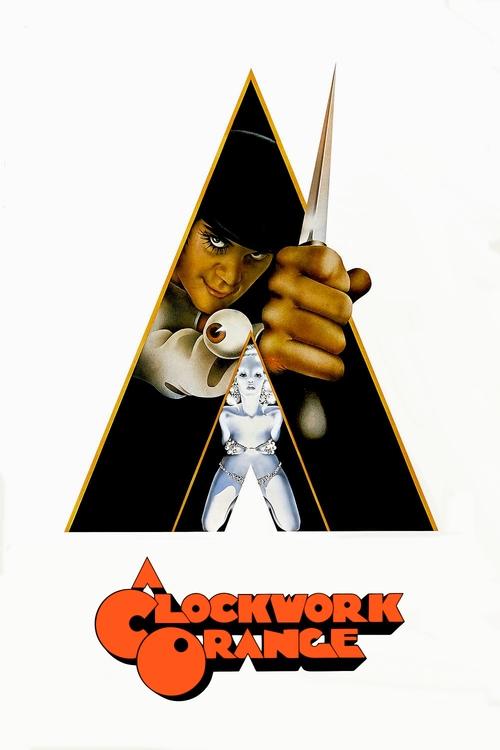
William Friedkin’s horror landmark put a 12-year-old girl through absolute hell on screen, with scenes involving a crucifix that still make people flinch over fifty years later. The film works because it’s dead serious about its subject matter. Today, child endangerment on screen, even fictional, triggers a level of scrutiny that would likely water down every scene that makes The Exorcist what it is. You’d get a PG-13 version, and the PG-13 version would be forgettable.
3. The Texas Chain Saw Massacre (1974)
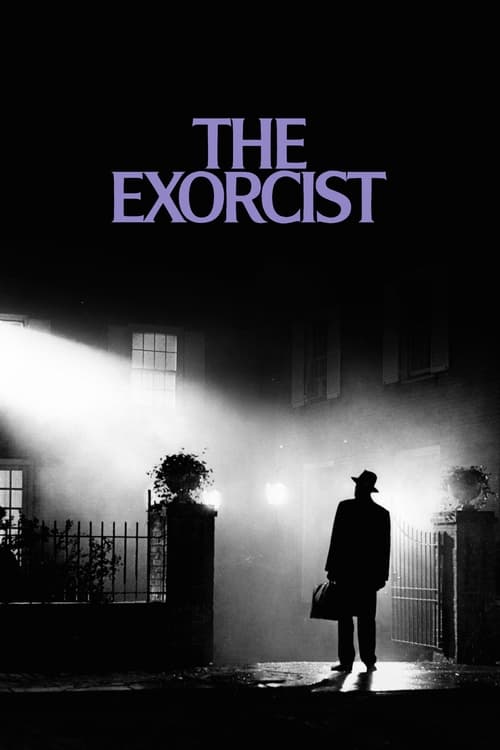
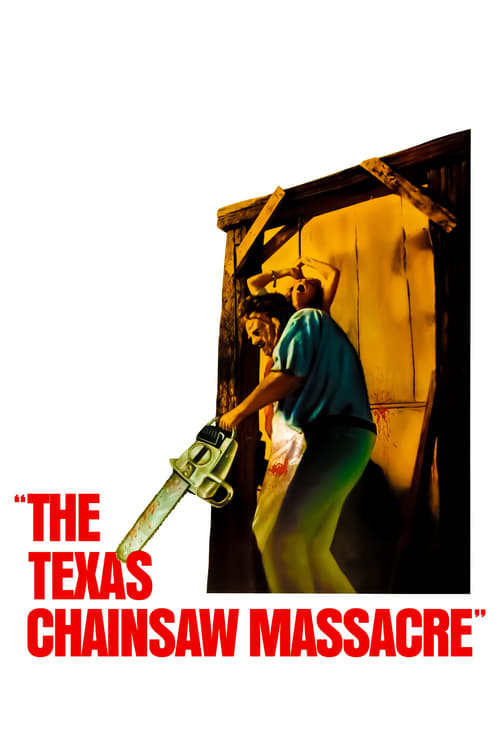
Tobe Hooper shot this on a shoestring budget in the Texas heat with a crew that was basically melting. The result feels dangerous in a way that’s almost impossible to replicate with modern safety standards, union rules, and digital filmmaking. That’s not a complaint about safety standards. It’s just an observation that the raw, unhinged energy of this film came partly from its chaotic production. You can’t manufacture that kind of discomfort. The meat hook scene works because it feels like it shouldn’t exist. Every remake and sequel has proved the point: you can make a Texas Chainsaw movie today, but you can’t make that Texas Chainsaw movie. The 2003 remake is slick and gory and completely missing the original’s rancid, documentary-like texture. The distinction matters.
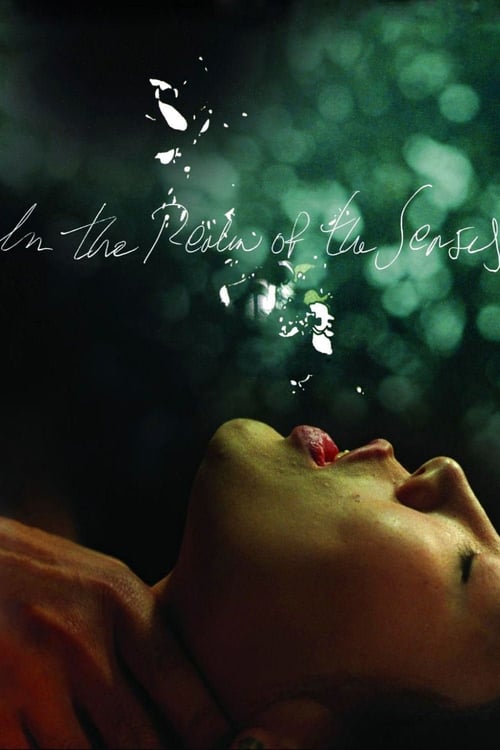
4. In the Realm of the Senses (1976)
Nagisa Ōshima’s film features unsimulated sexual acts performed by its lead actors, blurring the line between art film and pornography in a way that no major distributor would touch now. It was seized by customs, banned, and debated endlessly. The film is genuinely trying to explore obsession and desire to their logical, terrifying endpoint. But the conversation around it today would never get past the production details, and the artistic intent would drown under content moderation policies and platform terms of service that didn’t exist when Ōshima was working.
5. Suspiria (1977)
Dario Argento’s original is a fever dream of neon-soaked violence and operatic excess. The kills are elaborate, beautiful, and deeply cruel. What makes it unmakable today isn’t the gore itself, it’s the pacing. Suspiria takes its sweet time, prioritizes atmosphere over logic, and never once explains itself to the audience. Modern horror studios would demand a mythology, an origin story, sequel potential. Argento just wanted to paint the walls red, and the film is better for it. Try pitching a horror movie in 2026 where the plot barely makes sense and the color palette does most of the storytelling. See how far you get.
6. Eraserhead (1977)
David Lynch spent five years making this on a budget that probably wouldn’t cover catering on a modern indie shoot. The film is a genuinely uncommercial experience. No clear narrative, no likable characters, a baby that looks like a skinned animal. Lynch made it because AFI let him tinker endlessly. That kind of institutional patience with a filmmaker who has no finished product to show for years? It barely exists anymore. The economics of independent film have shifted too far toward deliverables and distribution timelines. Eraserhead is the kind of film that could only emerge from a gap in the system. Lynch started the project in 1971 and didn’t finish it until 1977. Six years. During that time, nobody pulled the plug, nobody asked for a cut to evaluate marketability. The film had no distribution plan when it was finished and found its audience entirely through midnight screenings. Today, even the most generous grants come with timelines. Production insurance requires schedules. The infrastructure that allowed this film to gestate simply doesn’t exist in the same form. And that’s a loss that has nothing to do with content sensitivity at all.
The 1980s: Pushing Against New Limits
7. A Nightmare on Elm Street (1984)
Wes Craven’s original works because of one central conceit that nobody had tried before: the killer gets you in your dreams. The execution is scrappy and inventive, from Johnny Depp getting pulled into a bed and erupting as a geyser of blood to the stretching wall above Nancy’s bed. What you couldn’t replicate today is the origination itself. Every horror concept has been done, remixed, and done again. A Nightmare on Elm Street arrived in a moment when slashers were still figuring out their rules, and Craven rewrote all of them overnight. The 2010 remake proved the point: same concept, none of the danger.

8. The Last Temptation of Christ (1988)
Martin Scorsese made a film that imagines Jesus experiencing doubt, lust, and the desire for an ordinary life. Theaters were picketed. Bombs were thrown at a Paris cinema showing it. Willem Dafoe’s performance is extraordinary, full of genuine confusion and vulnerability. But the backlash was real and sustained, and it came before social media could amplify outrage exponentially. A studio considering this project today would run the numbers on the controversy-to-ticket-sales ratio and quietly pass. Scorsese himself has said it was the hardest film he ever got made. In the current landscape, he probably wouldn’t get it made at all.
9. Vampire’s Kiss (1989)
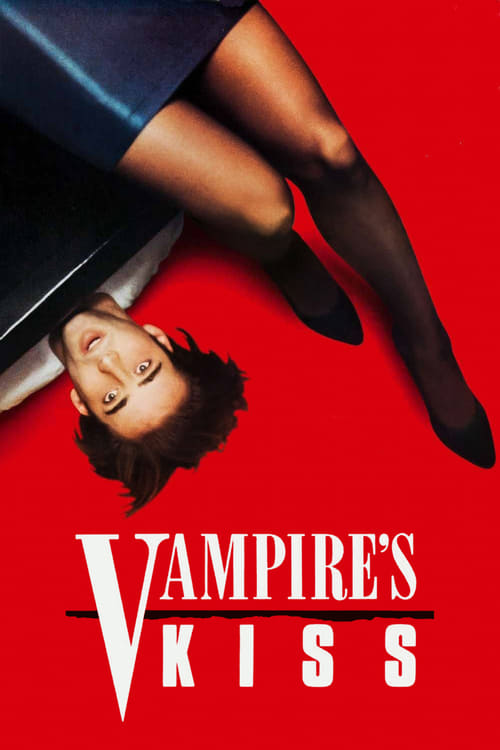
Nicolas Cage ate a live cockroach on camera and gave a performance so unhinged that people genuinely couldn’t tell if it was brilliant or terrible. (It’s brilliant, for the record.) The film is a dark comedy about a yuppie who may or may not be turning into a vampire, and Cage treats every single scene like his last day on earth. Vampire’s Kiss bombed on release and only found its audience decades later through memes and cult screenings. No algorithm-driven greenlight process would ever produce this movie. It exists because someone let Cage off his leash and nobody had the power to stop him.
The 2000s and Beyond: Different Walls, Same Problem
10. Quills (2000)
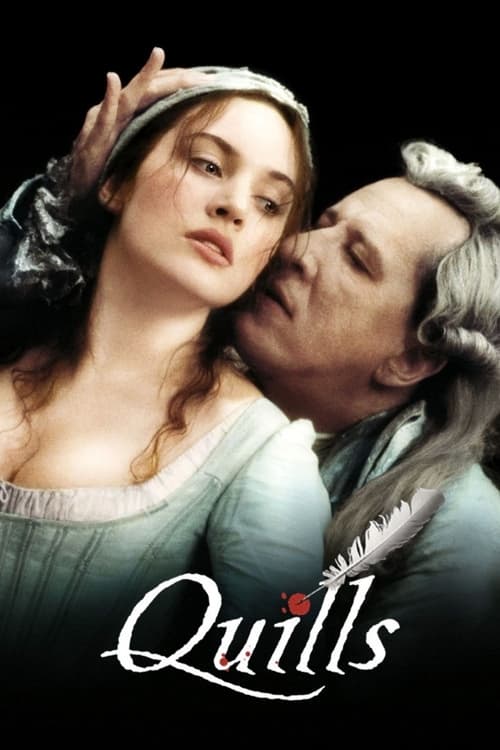
Philip Kaufman’s film about the Marquis de Sade’s imprisonment features Geoffrey Rush writing pornographic stories in his own blood and feces after being stripped of pen and paper. It’s a film about censorship that practically dares you to censor it. Joaquin Phoenix plays a priest struggling with his own desires, and the whole thing operates at a pitch of theatrical excess that would get tagged as “too niche” by every streaming platform’s content team. The irony of a film about artistic suppression being too risky for today’s market is almost too perfect. Kate Winslet, Michael Caine, Rush, Phoenix: that cast doesn’t get assembled for something this deliberately confrontational anymore.
11. The Devil Wears Prada (2006)
This might seem like an odd pick, but hear me out. David Frankel’s film is essentially a workplace comedy where Meryl Streep’s Miranda Priestly is an abusive boss played for glamour. She humiliates Anne Hathaway’s Andy relentlessly, and the film treats it as aspiration more than horror. The “cerulean sweater” monologue is iconic because it frames Priestly’s cruelty as genius. In 2026, the conversation around toxic workplace dynamics and power abuse has shifted enough that a film this openly admiring of a terrible boss would face a very different read. Not impossible to make, but impossible to make with the same breezy tone.
12. The Substance (2024)
Coralie Fargeat’s film actually proves you can still push boundaries if you’re clever about it. Demi Moore and Margaret Qualley in a body horror film about a celebrity using a black market drug to create a younger version of herself. The film is disgusting, confrontational, and unflinching about aging and beauty standards. It got made. It found an audience. It scored 89% on Rotten Tomatoes. But here’s the thing: The Substance works partly because Fargeat filtered extreme content through a feminist lens that gives it critical armor. Without that framing, the same imagery would be a much harder sell. It’s the exception that clarifies the rule.

13. Faces of Death (2026)
Daniel Goldhaber’s reimagining of the notorious shock-documentary brand, which hit theaters a couple months ago, takes a smart approach to the problem this whole list is about. The original 1978 Faces of Death was a mondo film that mixed real and staged footage of death, and it became a VHS-era legend. You couldn’t re-release the original today without enormous pushback. So Goldhaber reframed the concept entirely, turning it into a story about a content moderator on a video-sharing platform who stumbles into something horrifying in the site’s depths. Faces of Death works in 2026 because it’s about the culture of watching disturbing content rather than simply being disturbing content. Whether that approach fully delivers on its promise is a conversation still playing out, but the strategy itself is telling. That distinction between depicting transgression and interrogating it is the whole game now.
The Budget Problem Nobody Talks About
Several of these films share a common thread that has nothing to do with content: they were cheap, weird, and made by people who hadn’t proven themselves yet. Lynch tinkering for half a decade. Hooper shooting in a real farmhouse with a real chainsaw. Craven cobbling together practical effects on a New Line Cinema budget. The path from “unknown filmmaker with a bizarre vision” to “finished feature in theaters” has narrowed considerably. Not disappeared, but narrowed. You can still make strange, personal films, but the infrastructure that let these specific ones happen, small studios willing to gamble, extended timelines, minimal oversight, has largely been replaced by data-driven development.
When “Couldn’t Make” Means “Shouldn’t Make”
Look, some of these films include material that deserves scrutiny. The sexual violence in A Clockwork Orange, the treatment of actors in grueling production conditions, the unsimulated content in Ōshima’s work. Saying “you couldn’t make this today” isn’t always a lament. Sometimes the answer is “good, we shouldn’t.” But the risk is throwing out the artistic ambition with the problematic specifics. Scorsese’s The Last Temptation of Christ is a deeply sincere work of religious art. Ōshima’s film is a genuine investigation of erotic obsession. Kubrick was interrogating state power and individual freedom. The ideas in these films are worth engaging with, even when the execution makes us uncomfortable.
The Substance shows us one path forward: wrap extreme content in a framework that the cultural conversation can process. Faces of Death shows another: make the commentary about the watching itself. Both approaches work, but they also reveal how much more strategic filmmakers have to be now about getting transgressive work in front of audiences.
What We Actually Lose
The honest answer is: we lose a certain tolerance for ambiguity. The films on this list don’t come pre-packaged with a moral lesson. They don’t reassure you. They trust you to sit with discomfort and form your own response. That trust between filmmaker and audience has eroded, not because audiences got dumber, but because the business of movies got more risk-averse. When a single social media backlash can tank a film’s opening weekend, studios optimize for safety. And safety, while understandable, is the enemy of the kind of filmmaking that produced every movie above.
The Devil Wears Prada example is the subtlest version of this. Nobody’s calling that film dangerous. But its breezy comfort with a cruel authority figure reflects an era when the cultural read of workplace power was just different. Even comedies carry assumptions that age. That’s not a crisis. It’s just how culture works.
The conversation around movies you couldn’t make today is worth having, as long as it stays honest. Not every old film deserves defense. Not every modern standard is censorship. But if you watch any of the films on this list, you’ll feel something that’s harder and harder to find at the multiplex: the sense that nobody was watching over the filmmaker’s shoulder, that the guardrails were down, and that the movie might go anywhere. That’s worth preserving, even when it scares us. If you’re looking for films that still take creative risks, browse our drama and horror collections.
Discover Your Next Favorite Film
Browse our curated collection of movie trailers and find something new to watch tonight.
Browse Trailers