Where to Start with Indian Cinema (Beyond Bollywood)
Films.io Editorial
5 min read
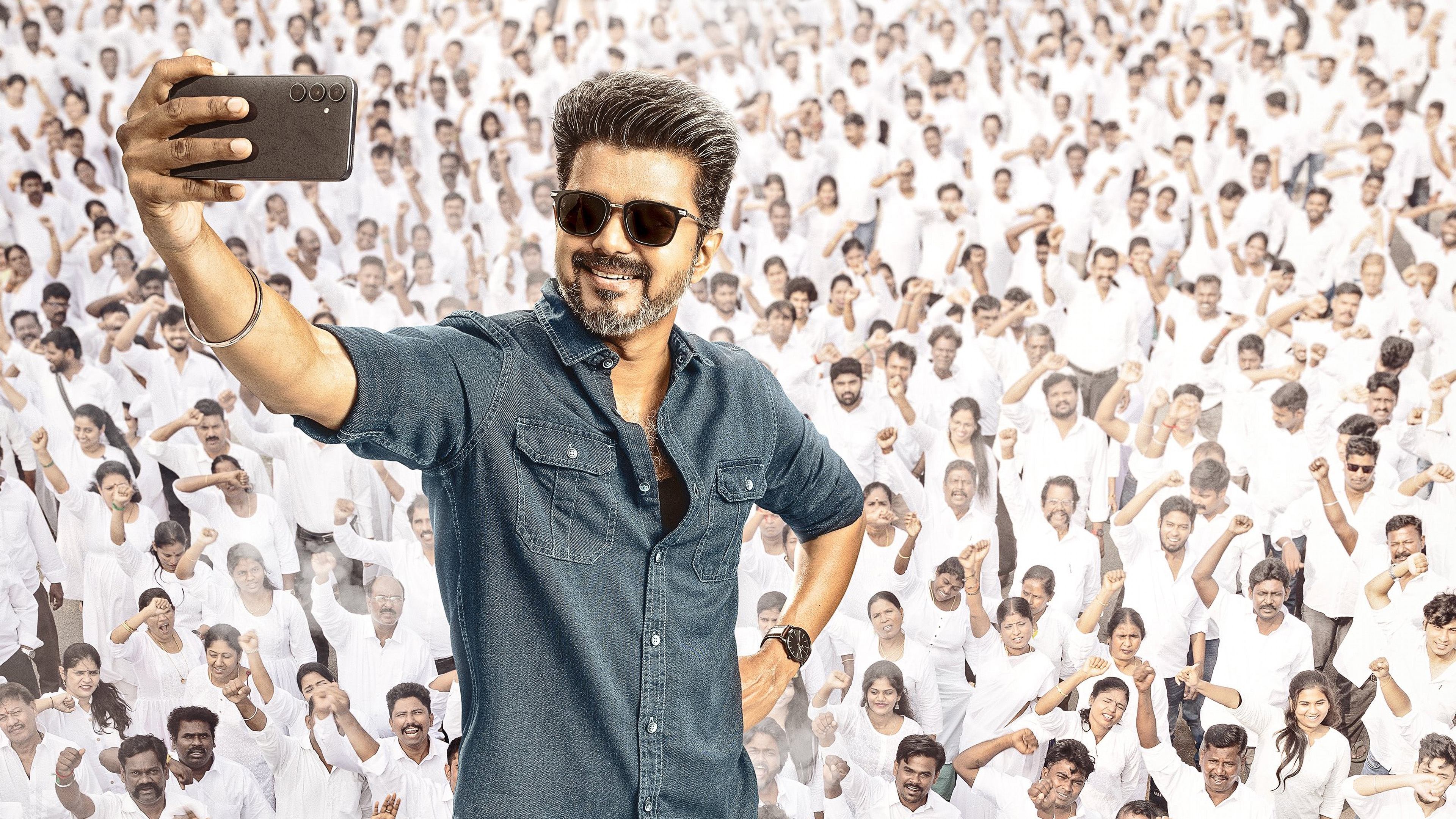
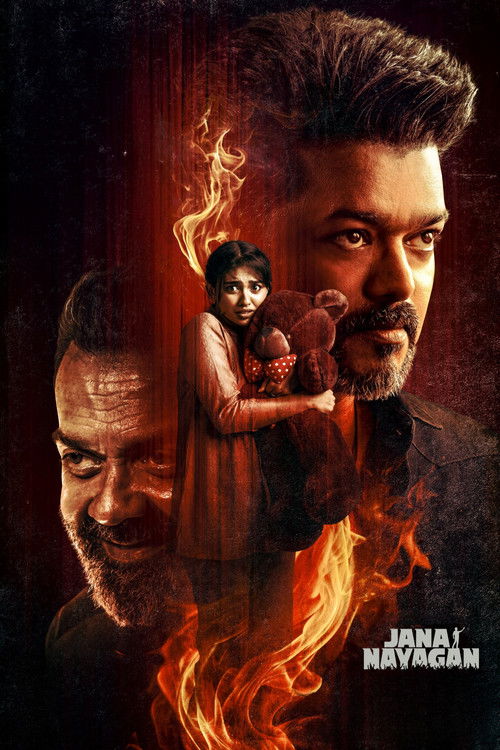
Indian cinema is one of the richest, most diverse filmmaking traditions on the planet, and if your only exposure has been the occasional Bollywood blockbuster, you’ve barely scratched the surface. India produces films in over twenty languages, across wildly different regional industries, each with its own storytelling DNA. If you’re looking for a way into Indian movies for beginners, the good news is that there’s never been a better time. Streaming has made these films more accessible than ever, and the range of genres, from historical epics to sharp social comedies to gritty crime thrillers, means there’s something for every taste. A great place to start is Jana Nayagan, a Tamil-language action film that feels like a perfect crash course in everything South Indian commercial cinema does well.
The trick is knowing where to start. So here’s a guide that doesn’t just point you toward the obvious picks, but maps out the landscape so you can find your own path through Indian cinema.
Bollywood Is Just One Door
First, a quick vocabulary lesson. “Bollywood” refers specifically to Hindi-language commercial cinema based in Mumbai. It’s the biggest and most internationally recognized slice of Indian filmmaking, but it’s far from the whole picture. Tamil cinema (sometimes called Kollywood), Telugu cinema (Tollywood), Malayalam, Kannada, Bengali, Punjabi, Marathi: each of these industries has its own star system, its own visual style, and its own relationship with audiences.
Telugu and Tamil films, for example, tend to embrace a heightened, mythic register of action and emotion. Malayalam cinema leans toward realism and narrative experimentation. Bengali cinema has a deep arthouse lineage going back to Satyajit Ray. And Punjabi cinema has carved out a niche in broad, ensemble comedy that plays to packed houses across North India and the diaspora.
The point isn’t that one tradition is better than another. It’s that if you’ve only been watching Hindi films, you’ve been eating at one restaurant in a city with hundreds.
The Regional Blockbuster Has Arrived
For the longest time, regional Indian films rarely crossed linguistic borders. That’s changed dramatically. Films like Baahubali, RRR, and KGF proved that South Indian spectacle could pull massive audiences worldwide, and the pipeline hasn’t slowed down.
Jana Nayagan is a Tamil-language action film starring Vijay, one of the biggest movie stars most Western audiences have never heard of. At over three hours, it’s a sprawling political thriller built around a former police officer drawn back into conflict. H. Vinoth directs with a muscular confidence, and Bobby Deol shows up as the villain. It’s maximalist filmmaking, and it doesn’t apologize for its scale.
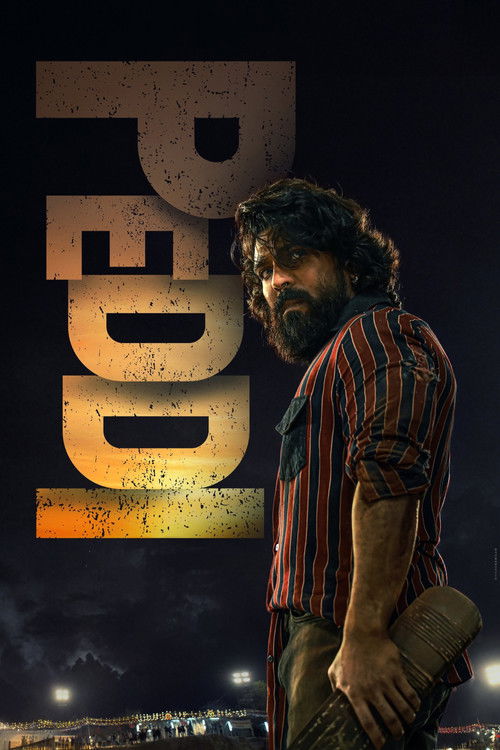
Then there’s Peddi, a Telugu drama set in 1980s rural Andhra Pradesh. Ram Charan plays a villager who unites his community through sports to defend their pride against a powerful rival. Director Buchi Babu Sana shoots the rural landscape with real affection, and the film runs close to three hours without dragging. If you liked the energy of Dangal but want something rougher around the edges, this is your film.
The Action Film as Social Commentary
One thing that separates a lot of Indian cinema from its Hollywood counterparts is how naturally action films fold in social commentary. It’s not a detour. It’s the engine of the plot.
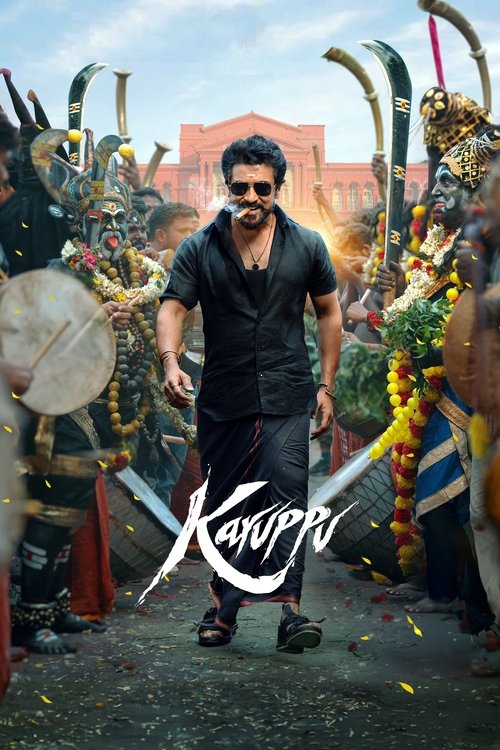
Karuppu is a perfect example. Directed by RJ Balaji and starring Suriya, it follows a guardian deity who takes the form of a lawyer to fight a corrupt legal system that preys on the powerless. Yes, that’s a wild premise. But the film plays it straight, and Suriya commits fully to both the mythological and courtroom dimensions of the role. It’s the kind of film that wouldn’t exist anywhere else. Veerabhadrudu, its Telugu-dubbed counterpart, sits at an 8.0 on TMDB, which should tell you how well it landed with audiences.
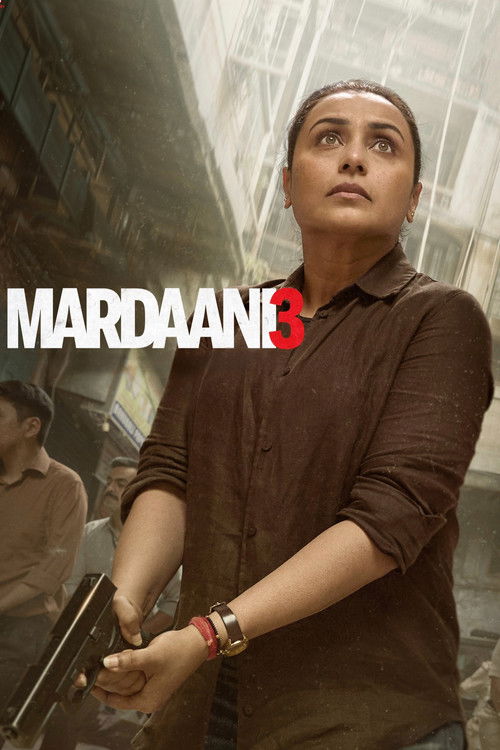
Mardaani 3 takes a more grounded approach. Rani Mukerji returns as officer Shivani Shivaji Roy, hunting down those behind the disappearance of young girls. The Mardaani franchise has always been frank about violence against women in India, and this third entry doesn’t soften its edges. It’s a Hindi-language action film with teeth, and Mukerji carries it with the kind of controlled fury that most action stars would kill for.
The Historical Epic, Indian-Style
Indian cinema has always loved its history, and the scale of these productions keeps getting bigger. Raja Shivaji is a Marathi-language epic about the rise of Shivaji Bhonsale, the founder of the Maratha kingdom. Riteish Deshmukh both directs and stars, and the supporting cast includes Sanjay Dutt and Abhishek Bachchan. At three hours and fifteen minutes, it’s an ambitious film that takes its historical responsibility seriously. If you’re a fan of big drama with real-world roots, this is worth the time investment.
Comedy, Chaos, and the Punjabi Tradition
Not everything needs to be epic. Indian cinema for beginners should include a healthy dose of comedy, and Punjabi cinema has been quietly churning out some of the funniest ensemble films in any language.
Carry On Jatta 4 is the fourth installment in a franchise built entirely on misunderstandings, slapstick, and escalating absurdity. Gippy Grewal and Binnu Dhillon anchor a cast that knows exactly how to play to a crowd. Look, these films aren’t going to win at Cannes. But they’re enormously entertaining, and they represent a thriving comedy tradition that rarely gets discussed outside of Punjab and the diaspora.
For a Telugu spin on comedy, Anaganaga Oka Raju is worth a look. Naveen Polishetty plays a lazy, entitled brat whose easy life gets upended in ways he never expected. It’s broad and it’s fun, and Polishetty has the kind of comic timing that makes you wonder why he isn’t a bigger name internationally.
A Note on Runtime (Don’t Let It Scare You)
Here’s one honest caveat for newcomers: Indian films are long. Two and a half hours is standard. Three hours isn’t unusual. If you’re used to ninety-minute Hollywood thrillers, this takes adjustment. But there’s a reason for it. Indian audiences expect a full emotional journey, complete with songs, subplots, and tonal shifts that would feel strange in a Western film but somehow cohere within the Indian filmmaking grammar. Give yourself permission to take a break in the middle. Many of these films were designed with an intermission.
Where to Go from Here
The films I’ve mentioned here are just entry points, the kind of movies that show you the range of what Indian cinema can do right now. Once you get comfortable, start exploring by language. Try a Malayalam thriller, a Bengali character study, or a Kannada noir like KD, The Devil, which drops a petty criminal into 1970s underworld chaos. Dhruva Sarja brings a restless energy to the lead, and director Prem stages the period setting with real texture. Each regional industry will reward your curiosity with something you can’t find anywhere else.
Indian cinema isn’t one thing. It’s dozens of traditions, hundreds of voices, and a volume of annual output that dwarfs any other country’s. The only wrong way to explore it is to stop at Bollywood and assume you’ve seen it all. Browse more films in our collection and start building your own map.
Discover Your Next Favorite Film
Browse our curated collection of movie trailers and find something new to watch tonight.
Browse Trailers