The Case Against Three-Hour Movies
Films.io Editorial
5 min read
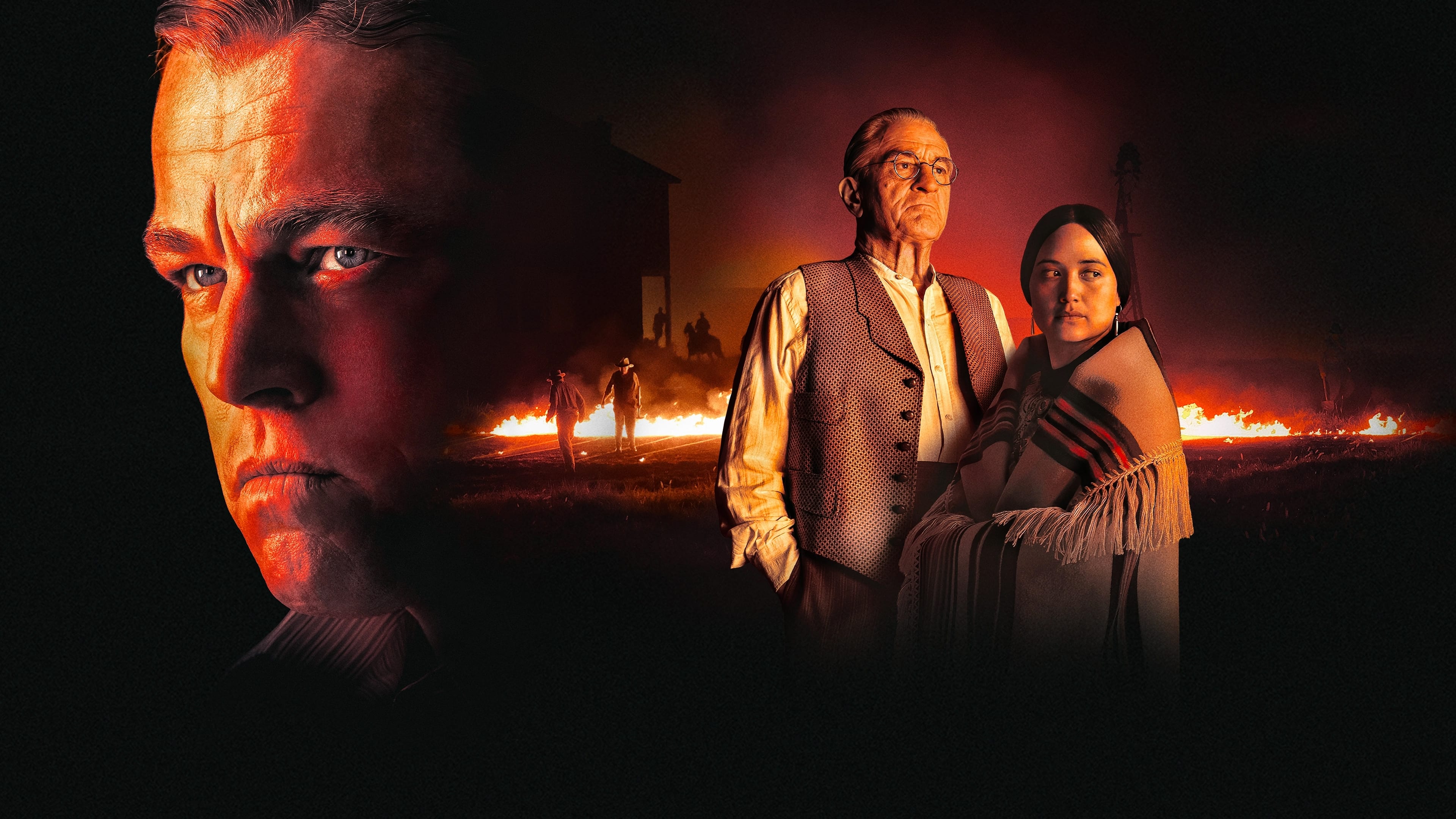
Three-hour movies have become a flex. Somewhere along the way, runtime became a status symbol, a signal that a director had enough clout to demand your entire evening. And we’ve been trained to go along with it, to treat length as a synonym for seriousness. Oppenheimer runs three hours. Killers of the Flower Moon runs three hours and twenty-six minutes. “They’re long, so they must be important.” But here’s what nobody wants to say out loud: most three-hour movies don’t earn their runtime. The long movies debate isn’t about whether great films can be three hours. Of course they can. It’s about whether most of them need to be.
I’m not here to argue that every movie should clock in at 90 minutes. Some stories genuinely require the space. But the trend toward bloated runtimes has become an industry-wide problem, and it’s worth asking why we keep giving filmmakers a pass for self-indulgence just because the result looks expensive. Oppenheimer is the perfect example to start with, because it’s a genuinely great film that still illustrates the problem.
The “Director’s Cut” Mentality
There was a time when three-hour movies were rare. They were events. When David Lean made Lawrence of Arabia, that runtime felt like a necessity because you were crossing an actual desert with the character. The scope demanded it. But something shifted over the past decade. Studio tentpoles regularly push past 150 minutes now, and prestige dramas seem to think anything under two and a half hours is somehow unambitious.
The problem isn’t ambition. It’s discipline. A great editor is the most undervalued collaborator in filmmaking, and too many directors either don’t trust theirs or have enough power to override them. The result? Movies that sag in the middle, repeat emotional beats, or include entire subplots that could be cut without losing a single thing.
Think about The Dark Knight. Christopher Nolan packed an absurd amount of story into 152 minutes, and it works because nearly every scene does double or triple duty. Now think about how many three-hour movies you’ve sat through where you could feel the padding, the scenes that exist just because no one said “cut.”
When Length Becomes the Point
There’s a particular kind of movie that wears its runtime like a badge of honor. “This isn’t a movie,” the marketing seems to say. “This is a cinematic experience.” And look, sometimes that’s true. But more often, it’s a way of pre-empting criticism. If you say a three-hour movie is too long, you’re the problem. You don’t have the attention span. You’re not serious enough about cinema.
That’s nonsense. Having a three-hour attention span doesn’t mean every three-hour movie deserves it. The real question is: does this movie justify asking you to sit in a dark room for 180 minutes? Does every scene pull its weight? Or are there 30 minutes in there that exist because the director fell in love with footage they should have left on the floor?
Oppenheimer is a useful test case. It runs three hours, and the first two are genuinely electric. Cillian Murphy’s performance holds you in place. The pacing in the Los Alamos sequences is relentless. But that final act, the Strauss confirmation hearing, the courtroom back-and-forth, it drags. Nolan clearly thought it was essential, and maybe it is thematically. But the film loses its grip in those last 40 minutes, and you feel every one of them.
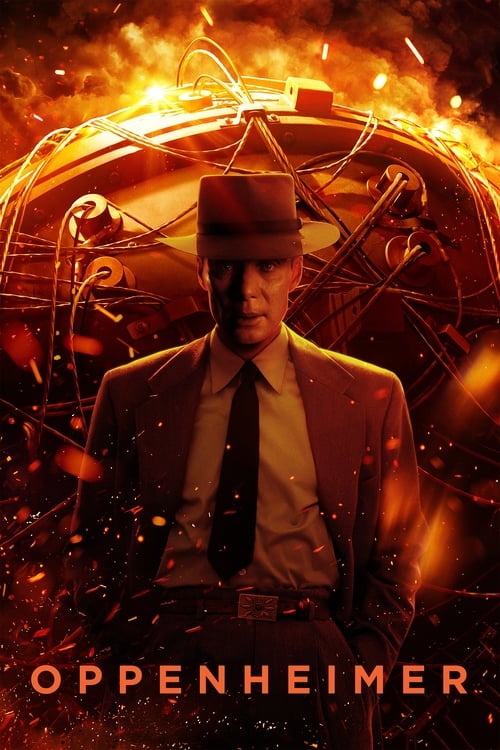
That’s the thing about three-hour movies. The good ones earn maybe two hours and forty minutes. The last stretch almost always tests your patience, because sustaining momentum for that long is insanely difficult. Very few filmmakers can actually pull it off.
The Body Knows
Here’s something critics rarely talk about: the physical experience of watching a three-hour movie. Your back starts hurting. You need to use the bathroom but don’t want to miss anything. You check your watch not because you’re bored but because your body is telling you this was designed for a medium that doesn’t require you to sit perfectly still in a public chair for the length of a transatlantic flight.
Television solved this problem years ago. The same story that would be a bloated three-hour film becomes a tight six-episode series where you can watch at your own pace, pause when you need to, and actually absorb each beat without endurance becoming a factor. Some of these three-hour movies are just six-episode miniseries that were too proud to admit it.
Killers of the Flower Moon is the poster child for this argument. Martin Scorsese is one of the greatest filmmakers who ever lived, and the story of the Osage murders is devastating and important. But does the movie need to be three hours and twenty-six minutes? The middle hour repeats its emotional thesis so many times that you start to feel like you’re being lectured. You get it. The betrayal is monstrous. The complicity is everywhere. You got it an hour ago.
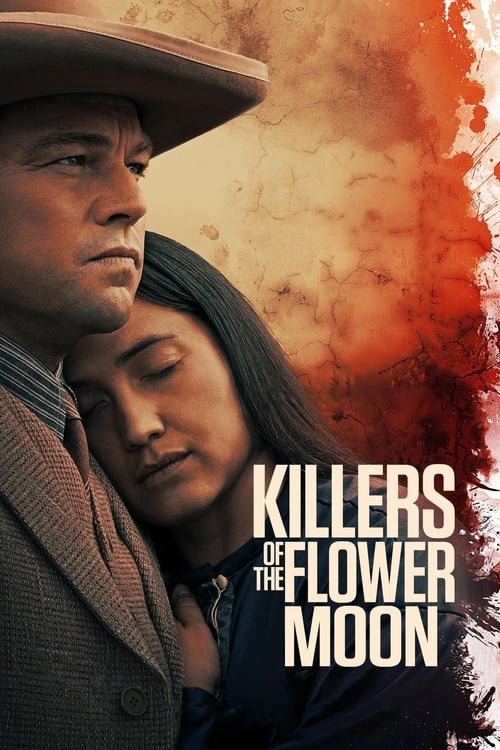
And I say this as someone who deeply admires the film. The performances from Leonardo DiCaprio and Lily Gladstone are extraordinary. But admiring something and wanting to sit through all three and a half hours of it again are two very different things. That rewatchability factor matters. If a movie is so long that people avoid revisiting it, something went wrong.
The 100-Minute Sweet Spot
You know what runs 100 minutes? Whiplash. It walks in, destroys you, and walks out. Not a wasted frame. Every scene escalates. J.K. Simmons is terrifying from minute one, and by the time that final drum solo hits, you feel like you’ve been through a war. And it did it in under two hours.
Get Out runs 104 minutes. Parasite clocks in at 132, and it earned every second because Bong Joon-ho is ruthlessly efficient with his storytelling. The tonal shifts from comedy to thriller to horror happen at exactly the right moments, and nothing lingers longer than it should.
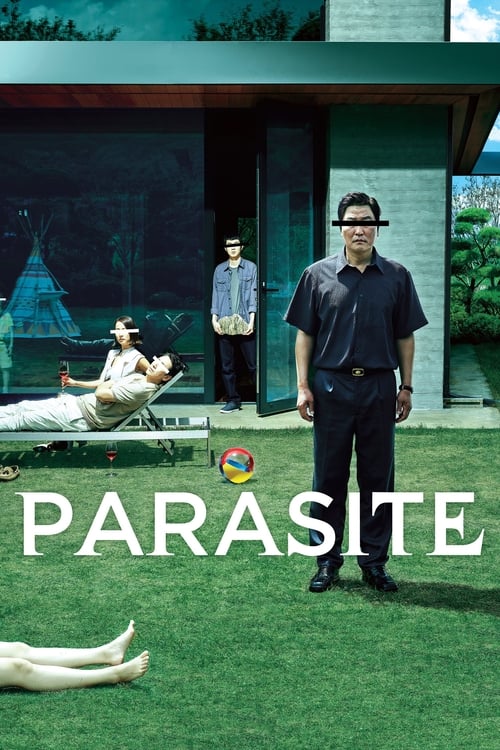
These films prove that impact has nothing to do with length. You don’t need three hours to say something profound. You need precision. You need a willingness to kill your darlings, to cut the scene you love if it doesn’t serve the whole.
The Counterargument (and Why It’s Only Half Right)
I’ll be fair. Some three-hour movies genuinely work. The Lord of the Rings: The Return of the King earns its length because it’s paying off nine hours of storytelling. Schindler’s List needs its runtime to convey the full scope of its horror and humanity. The Shawshank Redemption is 142 minutes, which isn’t quite three hours, but it’s close, and that patient pacing is part of why you feel every year Andy spends in that cell.
But here’s where the counterargument falls apart: those films are exceptional. They’re the best-case scenarios. For every Return of the King, there are ten three-hour movies where a tighter cut would have been a better movie. The existence of great long movies doesn’t justify the default assumption that longer equals better.
The Audience Problem
The other issue nobody wants to address is access. A three-hour movie is a harder sell for parents, for people who work long hours, for anyone who doesn’t have the luxury of blocking out an entire evening for one piece of entertainment. When Inception hits at 148 minutes, it’s right at the edge. Add another 30 minutes and you start losing people. Not because they don’t care, but because life doesn’t always accommodate a three-hour commitment plus previews plus getting home.
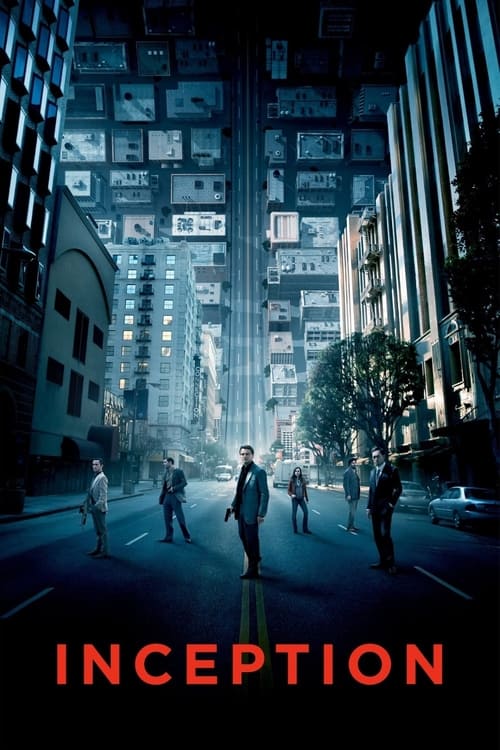
Movies used to understand this. The classic Hollywood structure, 90 to 120 minutes, wasn’t arbitrary. It respected the audience’s time while still allowing for complex, emotionally rich storytelling. Somehow we’ve convinced ourselves that those constraints were limitations rather than what they actually were: discipline.
The case against three-hour movies isn’t a case against ambition or depth or visual spectacle. It’s a case for editing. For trusting that your audience is smart enough to fill in gaps. For understanding that the best version of your movie might be the one where you left something out. The next time a director tells you their film “needed” to be three hours, ask yourself: did it? Or did they just not want to make the hard cuts? Browse our full collection and you’ll find plenty of proof that a great story doesn’t need to overstay its welcome.
Discover Your Next Favorite Film
Browse our curated collection of movie trailers and find something new to watch tonight.
Browse Trailers