Movies About Forgiveness and Redemption
Films.io Editorial
5 min read

Some movies hit you in the chest. Not with explosions or jump scares, but with the quiet, devastating weight of someone trying to make things right. Movies about forgiveness and redemption tap into something we all carry around, whether it’s guilt over something we did, resentment toward someone who hurt us, or the terrifying question of whether people can actually change. The best redemption movies don’t give you easy answers. They make you earn it right alongside the characters.
What makes these films so powerful is their honesty. Forgiveness isn’t a switch you flip. It’s messy, it takes years, and sometimes it doesn’t come at all. The Shawshank Redemption understood that over three decades ago, and it remains the gold standard. But the movies on this list span generations and continents, showing characters clawing their way back from rock bottom, families torn apart by grief trying to reconnect, and people staring down their worst selves and deciding to do something about it.
The Gold Standard for Redemption on Screen
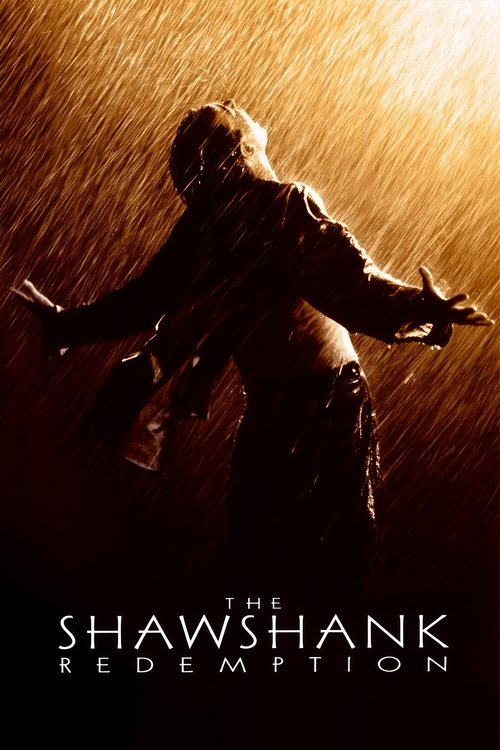
The Shawshank Redemption (1994)
You can’t have a conversation about redemption movies without starting here. Andy Dufresne spends nearly two decades in prison for a crime he didn’t commit, and the film never lets you forget the crushing weight of that injustice. But what makes it stick isn’t the escape. It’s the friendship between Andy and Red, and the way hope itself becomes an act of defiance. Morgan Freeman’s final narration, walking across that field toward the Pacific, is one of cinema’s most earned emotional payoffs. The film argues that redemption isn’t just about what you’ve done wrong. Sometimes it’s about refusing to let the world destroy what’s good in you.
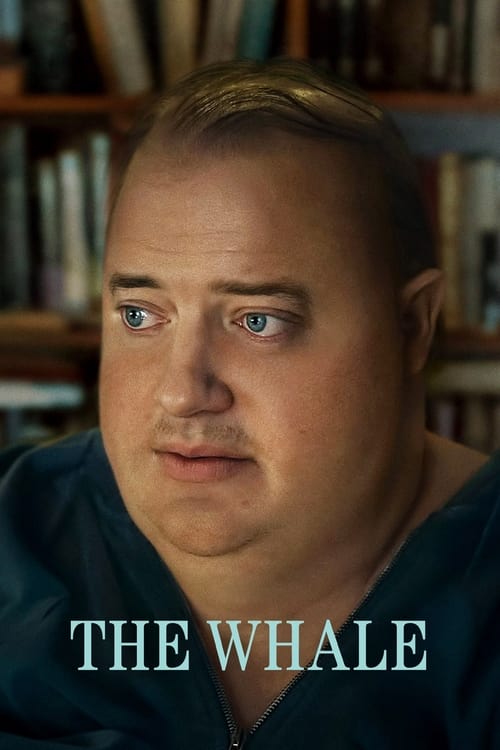
The Whale (2022)
Brendan Fraser’s Charlie is a reclusive, morbidly obese English teacher dying in his apartment, and he knows it. His one desperate mission is to reconnect with his estranged teenage daughter before it’s too late. Darren Aronofsky doesn’t make it comfortable. Sadie Sink plays the daughter as genuinely cruel at times, and the film doesn’t pretend that a few conversations can undo years of abandonment. But Fraser’s performance is so raw, so nakedly human, that you believe every second of Charlie’s attempt at one last reckoning. His final scene is devastating precisely because the film has been so honest about how unlikely redemption really is.
When Guilt Won’t Let Go
Drive My Car (2021)
Ryusuke Hamaguchi’s three-hour meditation on grief and forgiveness is unlike anything else on this list. Yusuke Kafuku is a theater director who can’t process his wife’s death, partly because of the secrets she kept. The film unfolds at its own pace, letting conversations in a red Saab 900 do the heavy lifting. The brilliance is in the parallel between Kafuku directing Chekhov’s Uncle Vanya and confronting his own need to forgive, both his dead wife and himself. It won the Oscar for Best International Feature, and it earned every bit of that recognition. If you can give yourself over to its rhythm, it rewards you like few films can.

Rabbit Hole (2010)
Nicole Kidman and Aaron Eckhart play a married couple whose young son died in an accident. There’s no mystery, no thriller element, just two people drowning in grief and trying to find a reason to keep going. The film’s bravest choice is Kidman’s character seeking out the teenager who accidentally killed her son. Not for revenge, but for something harder to name. Forgiveness? Understanding? Both? Miles Teller, in one of his earliest roles, plays the teen with perfect awkwardness. John Cameron Mitchell directs with restraint, trusting his actors completely. It’s a small film, and a gutting one.
Raging Bull (1980)
Jake LaMotta is not a likeable man. Scorsese doesn’t try to make him one. He’s jealous, violent, paranoid, and he destroys every relationship he touches. But the film’s final act, where a bloated, washed-up LaMotta performs stand-up in dingy clubs and eventually tries to reconcile with his brother Joey, is one of the most honest portrayals of a man reckoning with who he’s become. De Niro’s “I coulda been a contender” mirror scene, practicing Brando’s lines alone in a dressing room, is heartbreaking because you’re watching a man who knows exactly what he threw away. Whether LaMotta actually achieves redemption is left genuinely ambiguous, and that’s what makes it great.
Rebuilding After the Fall
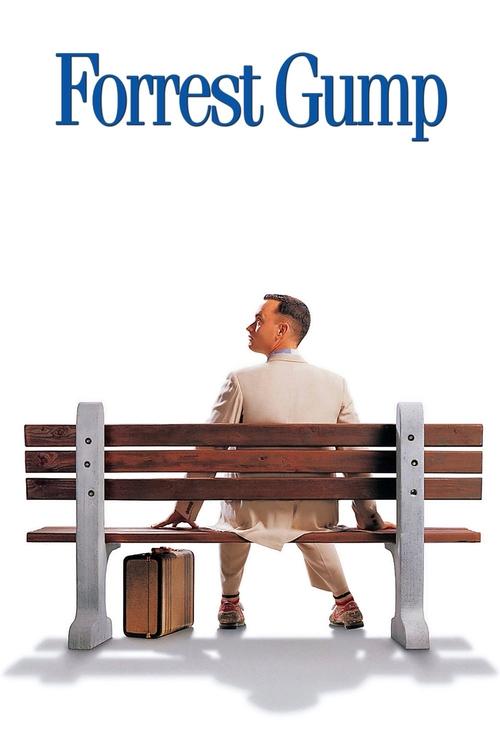
Forrest Gump (1994)
This one gets debated endlessly, and I get it. But look past the “life is like a box of chocolates” memes and there’s a real story about unconditional forgiveness here. Forrest forgives everyone. He forgives Jenny for leaving him over and over again. He forgives Lieutenant Dan for his bitterness and self-destruction. And he does it without martyrdom or self-righteousness. He just loves people. Gary Sinise’s arc as Lt. Dan is one of cinema’s best redemption stories, a man who wanted to die in battle learning to live, and that moment when he shows up at Forrest’s wedding, standing on new legs, having made peace with God and himself, hits hard every time.
Dallas Buyers Club (2013)
Ron Woodroof starts the film as a homophobic Texas rodeo cowboy who gets diagnosed with HIV. Matthew McConaughey lost an alarming amount of weight for the role, but the real transformation is internal. Watching Woodroof’s prejudices dissolve as he builds a business smuggling unapproved medications alongside Jared Leto’s Rayon is one of the most convincing character evolutions in any film from the last two decades. It’s not a clean arc. Woodroof doesn’t become some saint. He’s still abrasive, still hustling. But his capacity for empathy expands, and that expansion is the film’s whole engine.
Newborn (2026)
David Oyelowo plays Chris Newborn, a man emerging from seven years of solitary confinement and trying to piece his life and family back together. The film doesn’t romanticize prison or the aftermath. Freedom itself becomes a kind of psychological battleground, and Oyelowo brings a coiled intensity to a character fighting to prove he’s more than what the system made him. It’s a raw look at whether reentry into society is even possible when the world has moved on without you.
The Quiet Ones That Sneak Up on You
The Giant Falls (2026)
This Argentine drama from Marcos Carnevale follows a charismatic tour guide named Boris who unexpectedly reconnects with his estranged father Julián. Oscar Martínez brings real gravity to the father role, and the film explores past wounds with a directness that avoids melodrama. It’s a small film, not flashy, but the question it keeps asking, whether forgiveness is something you offer for the other person or for yourself, lingers well after the credits.
Casa Grande (2026)
Here’s one that slipped under the radar earlier this year. A prodigal daughter returns to her family’s farm as her father faces a terminal diagnosis and mounting pressure from competitors. Old wounds resurface immediately. What makes it a genuine forgiveness story is the way the family has to negotiate between resentment and the ticking clock of a dying patriarch. There’s no big cathartic speech. The reconciliation, such as it is, happens in small gestures, shared meals, and loaded silences. It’s understated and honest, and Lou Diamond Phillips does quietly strong work in a supporting role.
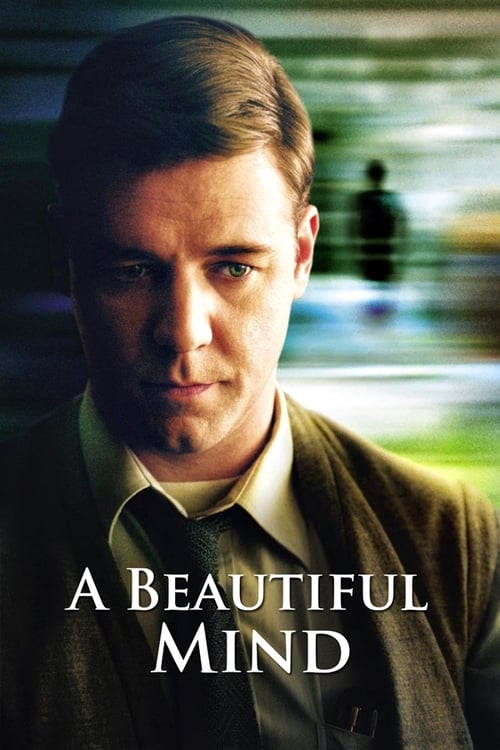
A Beautiful Mind (2001)
Ron Howard’s film about mathematician John Nash works as a redemption story because the thing Nash has to overcome isn’t external. It’s his own mind. Russell Crowe plays Nash’s battle with schizophrenia without vanity, and the scene where he realizes the people he’s been talking to aren’t real is one of the most devastating reveals in any biopic. The redemption here is Nash’s decision to keep going, to build a life around his illness rather than be consumed by it, and Jennifer Connelly’s Alicia forgiving and staying is just as brave as anything Nash does.
Reminders of Him (2026)
Maika Monroe plays Kenna, a young woman released from prison who’s desperate to reconnect with the daughter being raised by her late partner’s parents. They won’t let her anywhere near the child. The film, directed by Vanessa Caswill, doesn’t take easy shortcuts. Kenna has done something terrible, and the people who refuse to forgive her have every right to feel the way they do. The tension between deserving forgiveness and earning it drives every scene. It doesn’t always land perfectly, and there are moments where it veers toward melodrama, but Monroe’s performance keeps pulling it back to something genuine.
The Death of Robin Hood (2026)
Hugh Jackman’s Robin Hood isn’t the swashbuckling folk hero you’re used to. This is a man grappling with a life of crime and murder, gravely injured after what he thought would be his last battle. In the hands of a mysterious woman played by Jodie Comer, he’s forced to reckon with everything he’s done. Michael Sarnoski directs with a patience that lets the weight of Robin’s past sins accumulate rather than exploding into action set pieces. It’s a redemption story told through stillness and regret, and Jackman brings a weariness to the role that makes you feel every year of violence catching up with him.
These movies all circle the same uncomfortable truth: forgiveness isn’t something you receive. It’s something you fight for, often without any guarantee it’ll come. The best redemption movies leave you sitting with that tension rather than resolving it neatly.
If you’re looking for more films that deal with heavy emotional territory, browse our collection of dramas. And if you want something on the opposite end of the spectrum after all that emotional weight, nobody would blame you for switching to a comedy.
Discover Your Next Favorite Film
Browse our curated collection of movie trailers and find something new to watch tonight.
Browse Trailers