Movies About Religion and Faith
Films.io Editorial
5 min read
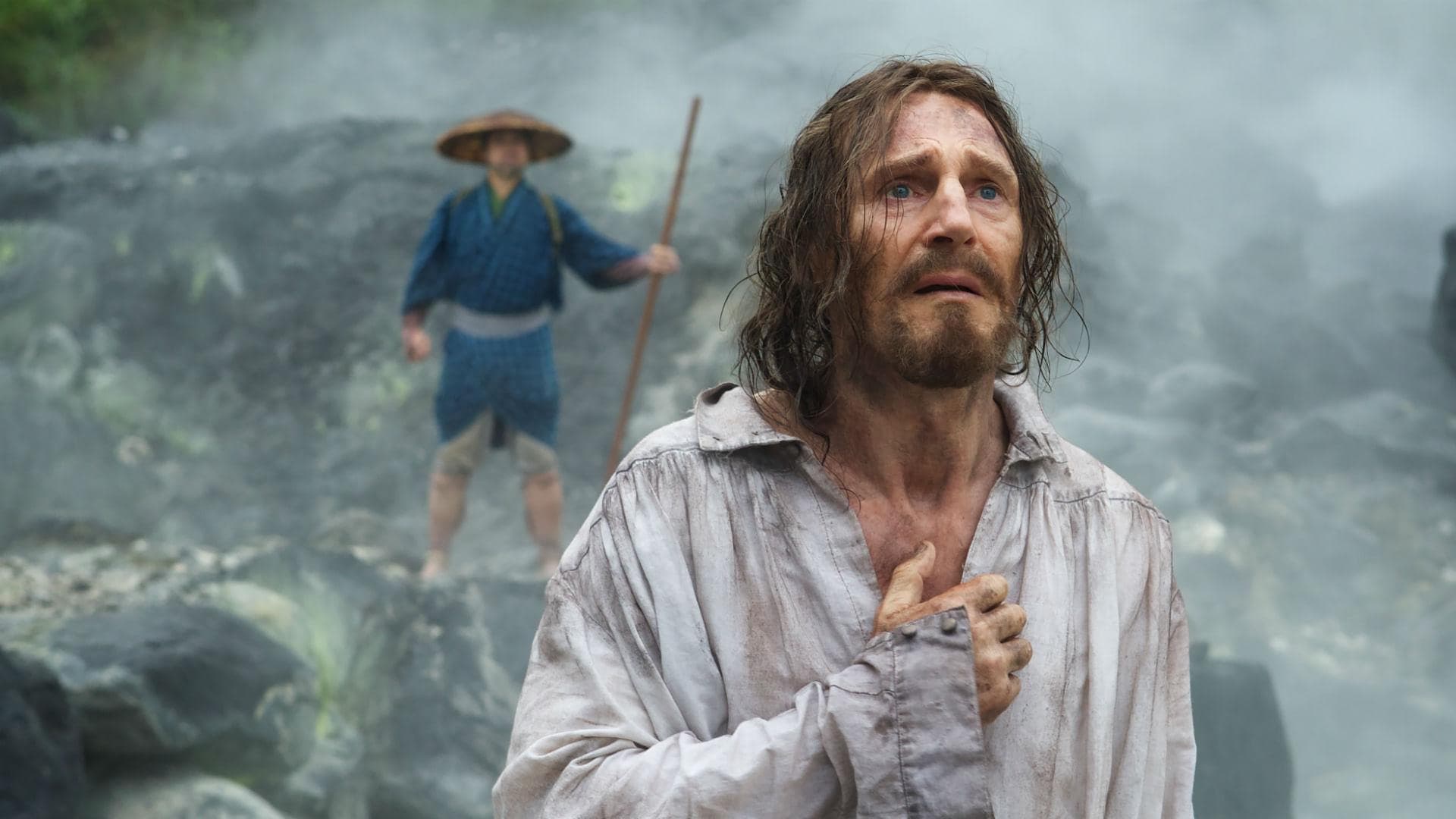
Few subjects in cinema cut as deep as the question of whether God is listening. Movies about religion and faith don’t just dramatize prayer or ritual. They ask the hardest questions any person can face: Is there meaning in suffering? What does belief cost? And what happens when the silence on the other end becomes unbearable? From Martin Scorsese’s Jesuits trudging through 17th-century Japan to the smoke-filled corridors of a papal conclave, these films treat faith not as decoration but as the central battleground of their characters’ lives.
The best movies about faith aren’t propaganda for or against belief. They sit in the tension. They let doubt and devotion exist in the same frame, sometimes in the same character. That’s what makes them so watchable, even if you’ve never set foot in a church. Here are some of the most powerful movies about religion and faith worth seeking out.
When God Goes Quiet
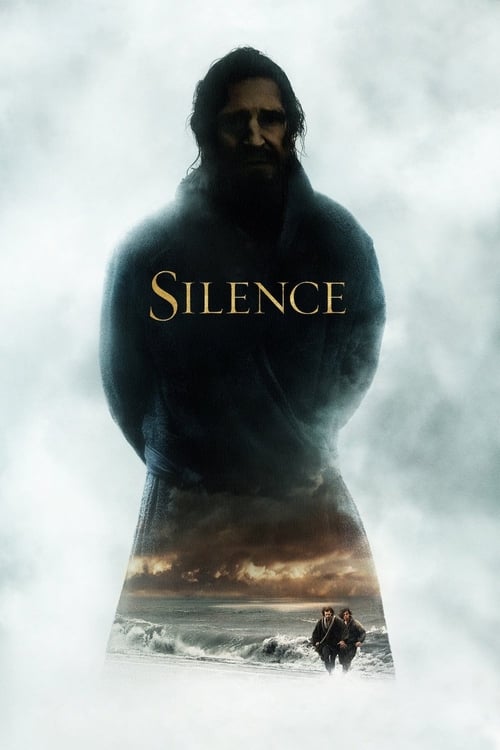
Martin Scorsese’s Silence (2016) is the most grueling movie about faith I’ve ever seen. And I mean that as the highest compliment. Andrew Garfield plays a Portuguese Jesuit priest who travels to Japan during a period of brutal Christian persecution. He’s looking for his mentor, played by Liam Neeson, who may have renounced his faith. What follows isn’t an adventure story. It’s a slow, agonizing interrogation of what belief means when it brings nothing but pain to the people around you.
The scene where Garfield’s character hears Japanese Christians being tortured, knowing he could stop it by stepping on an image of Christ, is as morally complex as anything put on film. Scorsese spent decades trying to make this movie, and you can feel every year of that obsession in the final product. It’s not easy to watch. It’s not supposed to be. But if you care about movies about religion that refuse to offer simple answers, this is essential.
Smoke and Secrets in the Vatican
Conclave (2024) takes a completely different approach to movies about faith. Edward Berger’s film drops you inside the most secretive election on Earth: the selection of a new Pope. Ralph Fiennes plays Cardinal Lawrence, the man tasked with managing the process, and he’s superb. Quiet, conflicted, visibly exhausted by the weight of what’s being asked of him.
What makes Conclave so effective is that it functions simultaneously as a political thriller and a meditation on institutional faith. These cardinals scheme, form alliances, bury scandals. They’re politicians in red robes. But the film never fully abandons the idea that something sacred might also be happening in that chapel. The tension between cynicism and genuine belief runs through every scene. Berger, who directed All Quiet on the Western Front, knows how to build dread, and he uses that skill brilliantly here. The locked-room setting gives the whole thing a claustrophobic energy that never lets up.

Faith as Spectacle, Faith as Weapon
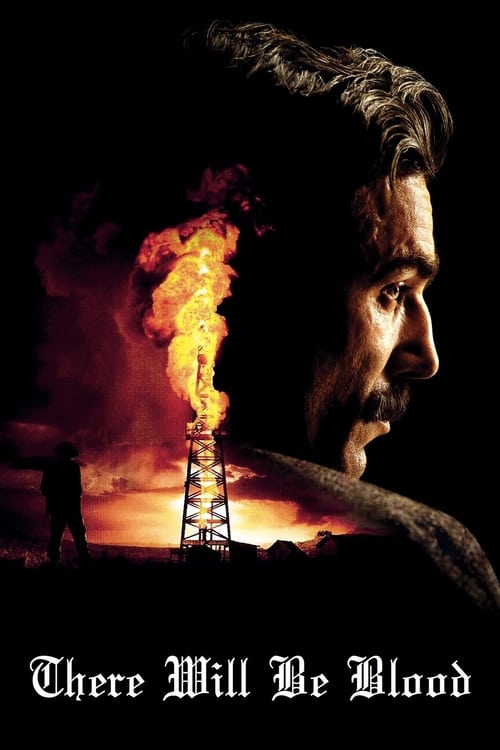
There Will Be Blood (2007) isn’t classified as a religious film in the traditional sense, but the war between Daniel Plainview and Eli Sunday is one of cinema’s great depictions of faith colliding with power. Paul Dano’s young preacher is a true believer, or at least he’s convinced himself he is. Daniel Day-Lewis’s oilman sees right through him. Their scenes together crackle with mutual contempt, and the film’s famous baptism sequence is one of the most uncomfortable religious scenes ever filmed. Plainview submitting to the ritual, screaming “I’ve abandoned my child,” while Sunday revels in his authority. It’s devastating.
Paul Thomas Anderson isn’t interested in whether God exists in this world. He’s interested in how people use God, how faith becomes currency and performance. That makes it one of the most insightful movies about religion in American life, even if its primary genre is drama.
The Need to Believe in Something
If you enjoy Anderson’s exploration of how faith and manipulation tangle together, The Master (2012) covers adjacent territory with equal intensity. Philip Seymour Hoffman’s Lancaster Dodd is a charismatic cult leader whose belief system may be entirely invented, and Joaquin Phoenix’s damaged drifter follows him anyway. The need to believe in something drives that whole film.
What’s so unsettling about The Master is that it never settles on whether Dodd is a fraud or a man who genuinely believes his own creation. And Freddie Quell, Phoenix’s volatile war veteran, doesn’t really care either way. He needs structure. He needs someone to tell him the world makes sense. That hunger for meaning, stripped of any specific theology, feels like the rawest possible examination of why religion exists in the first place. Anderson films their dynamic with an intimacy that makes you lean forward in your seat. The processing scene, where Dodd breaks Freddie down through repetitive questioning, plays like an exorcism conducted without any God at all.
The Quiet Power of Doubt
Here’s the thing about great movies about faith: the best ones are almost always about doubt. Certainty doesn’t make for interesting drama. A character who knows exactly what they believe and never wavers is boring. It’s the questioning that makes these stories resonate, the 3 AM moments when a priest wonders if he’s wasted his life, or when a grieving parent can’t understand why prayer didn’t work.
That’s why Silence endures as the gold standard. Scorsese doesn’t stack the deck for or against faith. He just watches a man get broken by it and asks you to decide what you see. Conclave does something similar on a more accessible level, wrapping its theological questions inside a genre framework that keeps you on the edge of your seat. And The Master probes something even more unsettling: the human hunger for belief itself, regardless of whether the object of that belief is real.
If you’re drawn to dramas that wrestle with life’s biggest questions without handing you easy answers, these films deliver. They don’t preach. They just watch people try to make sense of the unsensable, which is what the best cinema has always done.
Discover Your Next Favorite Film
Browse our curated collection of movie trailers and find something new to watch tonight.
Browse Trailers