Looking Back at 1995 in Cinema: The Year Hollywood Got Bold
Films.io Editorial
5 min read
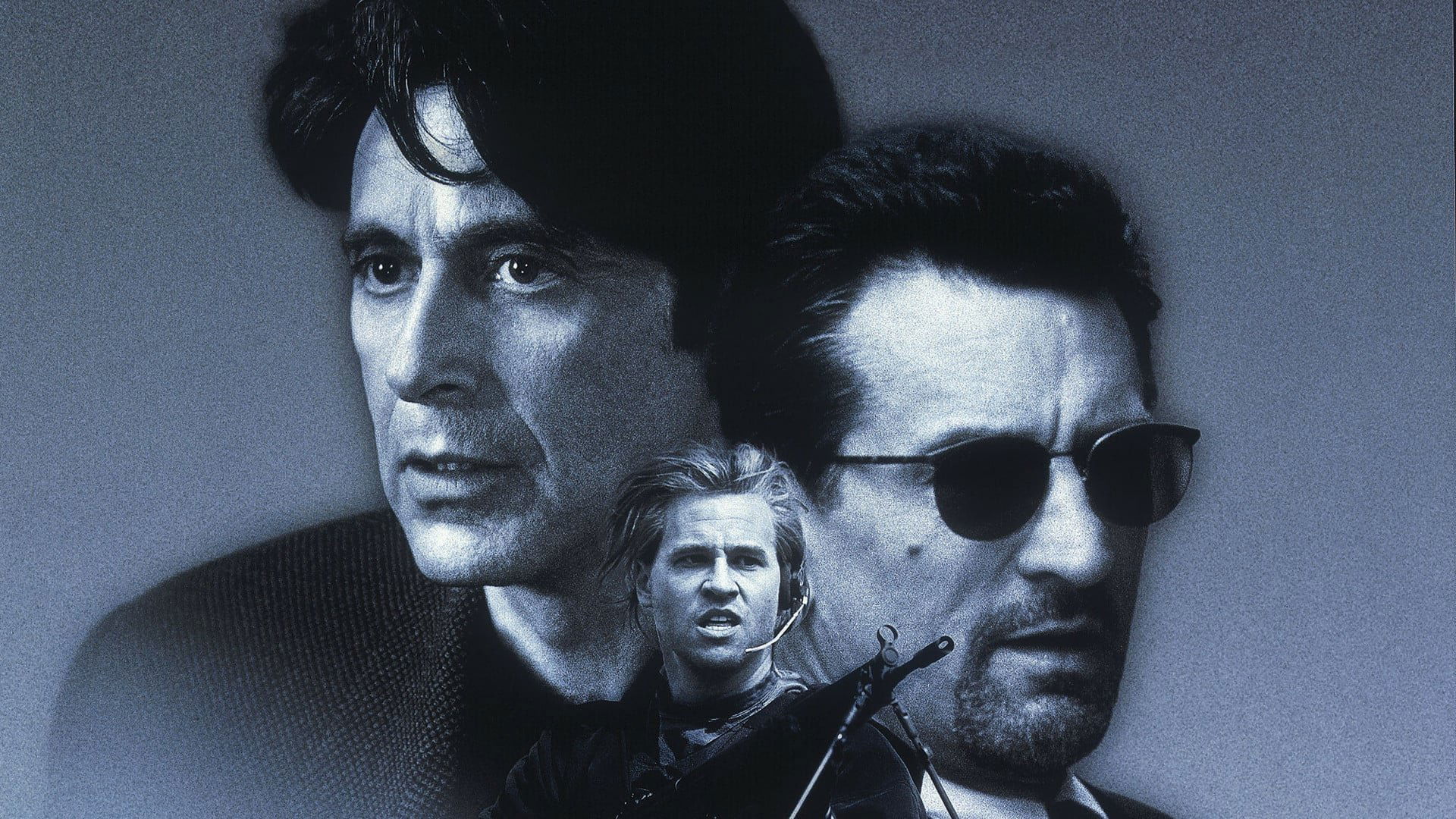
Over thirty years ago, Hollywood had one of those rare seasons where everything clicked. The best movies of 1995 didn’t play it safe. They swung hard, in every direction, from a nearly three-hour crime epic where Al Pacino and Robert De Niro finally shared a scene, to a fully computer-animated movie about talking toys that nobody was sure would even work. 1995 in film was a year of big bets, and almost all of them paid off.
What makes this year so rewarding to revisit now, more than three decades later, isn’t just the individual films. It’s the range. You had Pixar inventing an entirely new medium. David Fincher turning a serial killer thriller into something genuinely disturbing. Martin Scorsese going back to the well of organized crime and pulling out another epic. Michael Mann staging the greatest shootout ever put on film. Ron Howard took a real-life NASA disaster and made it into the most white-knuckle space movie since The Right Stuff. And across the Atlantic, Mathieu Kassovitz, who was just 27 during production, was making a black-and-white film about police brutality in the Paris suburbs that still feels uncomfortably relevant. Heat might be the film that best represents the year’s ambition, but really, every movie on this list was trying to do something nobody had done quite that way before.
De Niro and Pacino Finally Sit Down
Let’s start with Heat, because it’s the movie people still argue about more than three decades later. Michael Mann had been circling this story since his 1989 TV movie L.A. Takedown, but the theatrical version is the one that matters. The premise sounds simple: a meticulous thief (De Niro) and an obsessive detective (Pacino) are on a collision course. But Mann turns it into something much bigger, a sprawling portrait of Los Angeles where everyone, cops and criminals alike, has sacrificed their personal lives for the job.
The coffee shop scene gets all the attention, and deservedly so. Two of the greatest actors of their generation, sitting across from each other for the first time on screen, just talking. No guns, no chases. Just two men who understand each other better than anyone else in their lives. But here’s what doesn’t get enough credit: the downtown bank robbery and shootout that follows. The sound design alone is worth the price of admission. Mann used live ammunition recordings, and you can feel every round hitting concrete. It runs about ten minutes and it’s the most visceral action sequence of the 1990s. Maybe ever.
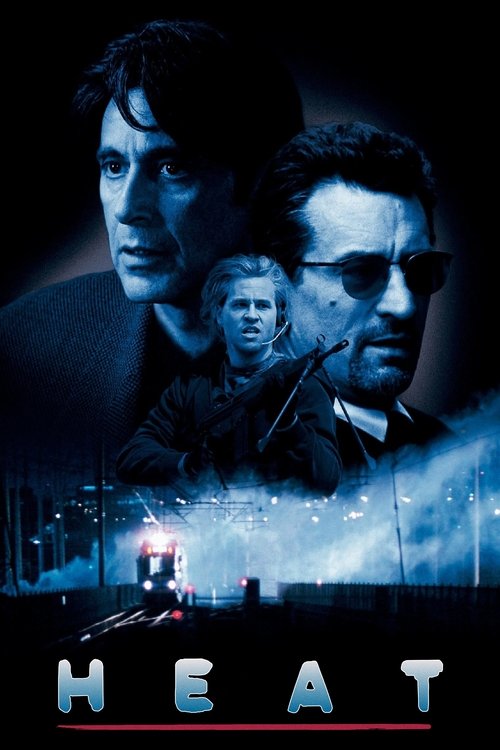
At nearly three hours, Heat demands your patience. The subplots involving the crews’ personal relationships don’t all land with equal weight, and some of the supporting characters feel underwritten. Val Kilmer’s troubled marriage subplot works. Some of the others blur together. But when the movie is firing, nothing else from 1995 touches it.
“What’s in the Box?”
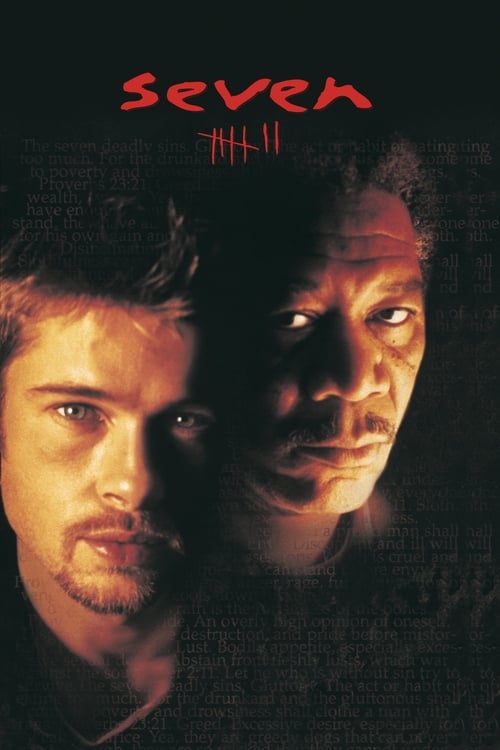
Se7en is the film that made David Fincher a name people remembered after the Alien 3 debacle. And what a way to come back. Brad Pitt plays the young detective, Morgan Freeman the retiring veteran, and together they track a killer who’s working through the seven deadly sins with horrifying creativity. Fincher’s vision of the unnamed city is one of the most oppressive environments in any thriller, a place where it’s always raining, always dark, and the walls always seem to be closing in.
The ending is the thing, of course. That final act in the desert, with the box, is one of the few genuine shocks in mainstream Hollywood history. Fincher earned it by spending two hours building dread so thick you could choke on it. The “sloth” victim reveal is maybe the scariest single moment in any non-horror film from the decade. What makes Se7en hold up is that it doesn’t cheat. The logic of the killer’s plan is airtight, even when the emotional devastation is almost unbearable. If you’re a fan of dark thrillers, this is the gold standard.
Scorsese Goes to Vegas
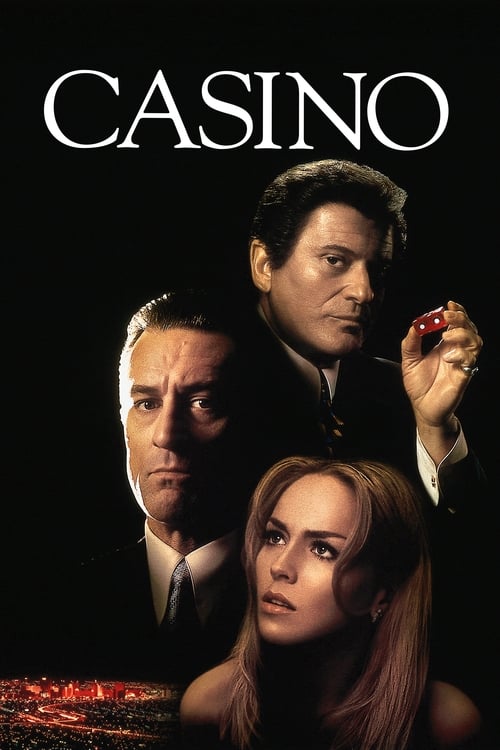
Martin Scorsese had already made the definitive mob movie with Goodfellas five years earlier. Casino covers similar territory, the rise and fall of men who confuse power with invincibility, but transplants the action to 1970s Las Vegas. Robert De Niro plays Sam “Ace” Rothstein, a gambling expert hired by the mob to run the Tangiers casino. Joe Pesci is his volatile childhood friend. Sharon Stone is the hustler wife who unravels everything.
Stone is the real surprise here. Her performance as Ginger McKenna is ferocious, unhinged, and heartbreaking in equal measure. She earned her Oscar nomination. The movie runs nearly three hours, and Scorsese fills every minute with voiceover narration, needle drops, and his signature kinetic editing. Is it as tight as Goodfellas? No. The middle section sags under the weight of Ginger’s spiral, and some of the narration feels like a shortcut where scenes should be. But Casino remains Scorsese operating at an incredibly high level, even if it’s not his absolute peak. The sequence showing exactly how the skim works, money flowing from the casino floor to the count room to Kansas City, is filmmaking as pure education.
Pixar Changes Everything
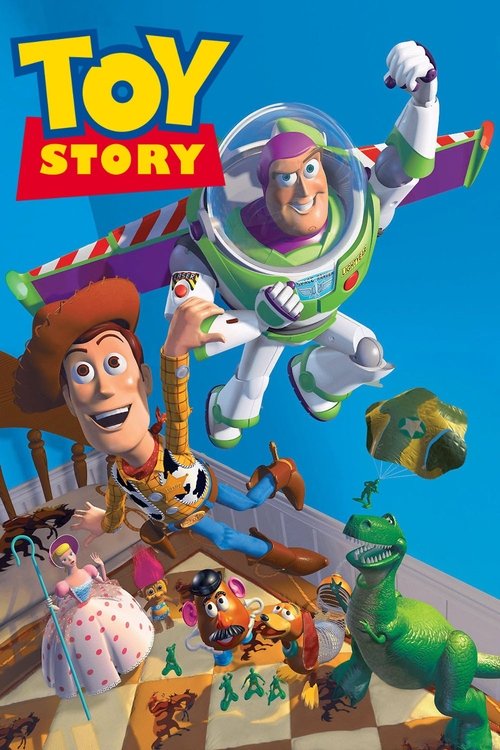
It’s hard to overstate what Toy Story meant in 1995. Before it, the idea of a feature-length computer-animated film was a gamble. Nobody knew if audiences would sit through 81 minutes of it. John Lasseter and Pixar didn’t just prove the technology worked. They told a story good enough that the animation became secondary.
Woody’s jealousy of Buzz Lightyear is such a clean, relatable emotional engine. Tom Hanks and Tim Allen nailed the voice work, creating two characters who feel more alive than half the human performances that year. The genius move was making it a buddy comedy with real stakes, not just a tech demo. Woody isn’t a saint. He’s petty, insecure, and kind of a jerk for most of the movie. That’s what makes his arc work.
Looking back now, with Pixar having produced dozens of films over three decades, it’s easy to forget how uncertain this was. The original cut, with a much meaner Woody, was so bad that Disney nearly shut the whole project down. The version that made it to theaters is the result of a complete overhaul, and every choice they made in that rewrite was the right one. Toy Story didn’t just launch a franchise. It launched an entire industry. For fans of animated films, this is where the modern era begins.
Houston, We Have a Movie
Ron Howard’s Apollo 13 is the outlier on this list, the one film that isn’t interested in reinventing its genre so much as perfecting it. Based on the real 1970 lunar mission that nearly ended in catastrophe, it turns a story where everyone already knows the outcome into two hours and twenty minutes of suffocating tension. That’s harder than it sounds.
Tom Hanks plays Jim Lovell with the calm authority of a man who’s trained his whole life to not panic, even when an oxygen tank explodes 200,000 miles from Earth. The best scenes aren’t in space, though. They’re in mission control, where Ed Harris as flight director Gene Kranz refuses to accept failure with a quiet ferocity that earns every bit of the film’s emotional payoff. The moment when the engineers dump a box of random parts onto a table and say “we need to make this fit into the hole for this, using nothing but that” is Apollo 13 in miniature: impossible problems, solved by people too stubborn to give up.
Howard could have drowned the film in sentimentality. He doesn’t. The stakes are real, the science feels honest, and the film trusts its audience to understand why a CO2 scrubber matters without dumbing it down. In a year full of stylistic risk-takers, Apollo 13 succeeded by being extraordinarily good at something more traditional. It’s also proof that “based on a true story” doesn’t have to mean boring.
The Year’s Boldest Swings Weren’t All American
The best movies of 1995 weren’t limited to Hollywood. Mathieu Kassovitz’s La Haine captured the tension between marginalized youth and police in the Paris banlieues with a raw, urgent energy that feels like it could have been made yesterday. Shot in stark black and white, the film follows three friends, one Black, one Arab, one Jewish, through 24 hours after a riot, and Kassovitz frames every shot like a ticking clock. There’s a recurring motif of a man falling from a building, narrating “so far so good” on the way down, and it’s the kind of metaphor that burrows into your skull because you know exactly who it’s about.
The famous mirror scene, where Vinz (Vincent Cassel in a star-making turn) rehearses Travis Bickle’s “you talkin’ to me?” routine, is brilliant precisely because it’s not just a movie reference. It’s a kid who’s learned everything he knows about power from American cinema, standing in a bathroom in a housing project, practicing for violence he’s not actually ready for. And then there’s the scene where a DJ scratches Edith Piaf’s “Non, je ne regrette rien” over a wide shot of the banlieue, mixing high French culture with the reality of the people the rest of France pretends don’t exist. Kassovitz won Best Director at Cannes for this. He was just 27 during filming. It’s the kind of film that makes you angry and won’t let you look away.
Thirty-One Years Later, Still Worth Your Time
What ties all these films together is confidence. Nobody was hedging. Mann committed to a three-hour character study disguised as a heist film. Fincher bet on an ending that studio executives must have hated. Scorsese made another three-hour mob epic when people told him he was repeating himself. Lasseter gambled an entire studio’s future on technology that barely existed. Howard took a story with no villain and no surprise ending and made it impossible to look away. Kassovitz shot a political film in black and white and dared Cannes to ignore it. Every one of those choices could have been a disaster.
They weren’t. And thirty-one years later, these films don’t just hold up. They’re the ones people keep coming back to. If you haven’t revisited them lately, now’s a good time. Browse our full collection for more from this era, or explore more crime films and action movies in our library.
Discover Your Next Favorite Film
Browse our curated collection of movie trailers and find something new to watch tonight.
Browse Trailers