Essential Korean Cinema: The Films That Built a Global Powerhouse
Films.io Editorial
5 min read
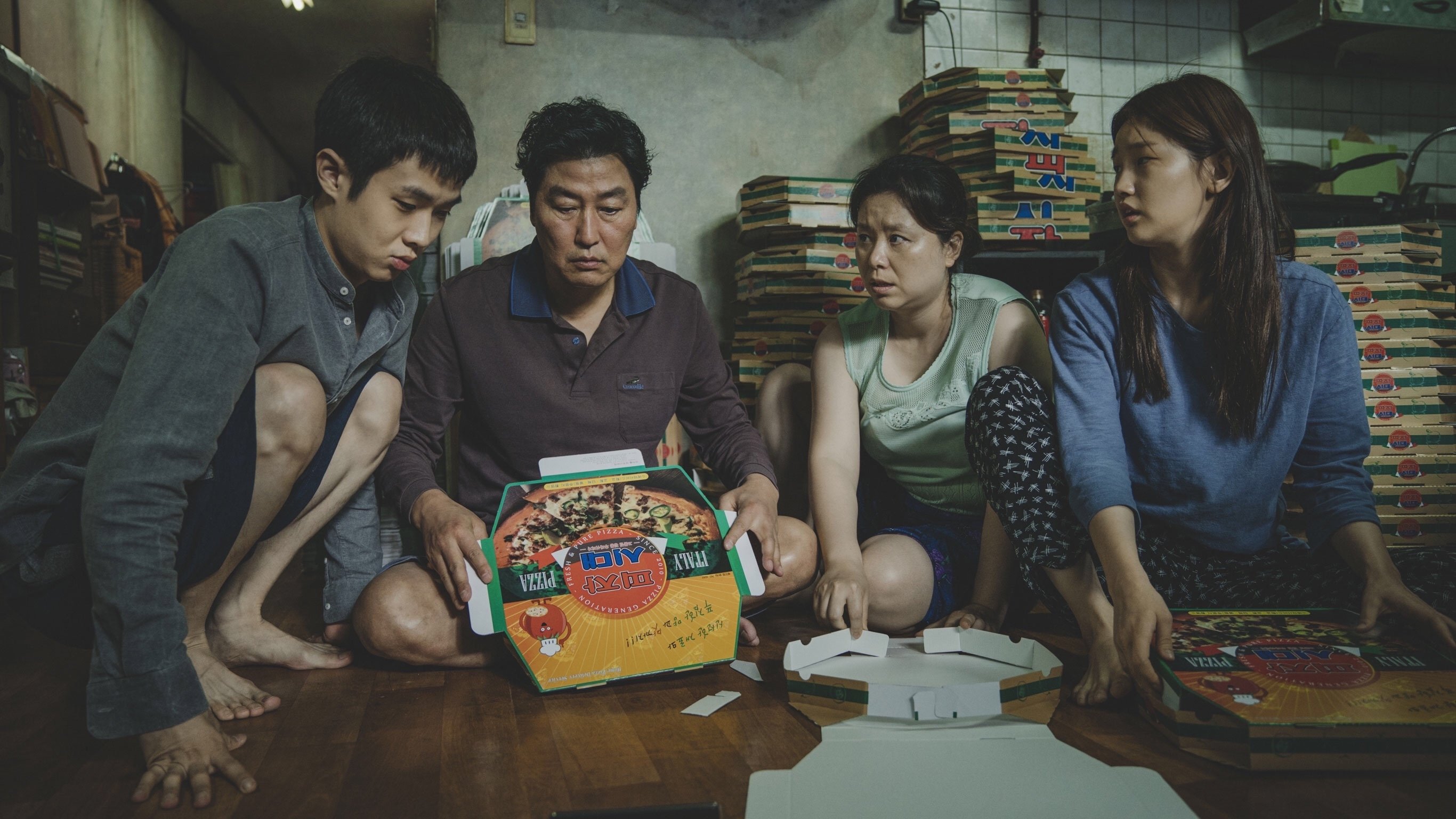
South Korean cinema has been on an extraordinary run for over a decade now. From Bong Joon-ho’s genre-defying work to Park Chan-wook’s visceral revenge films to the wave of zombie movies, historical epics, and noir thrillers that keep pouring out of the country, Korean filmmakers have established themselves as some of the most versatile and fearless in the world. And the pipeline keeps delivering. Husbands in Action, an upcoming Korean comedy from director Park Gyu-tae starring Jin Sun-kyu and Gong Myoung, arrives on June 19. But before you look forward, it’s worth looking at the films that built this machine.
The three Korean films in our library right now, Parasite, Train to Busan, and Oldboy, aren’t just great movies. They’re the pillars that explain why Korean cinema dominates the global conversation. Each one redefined what genre filmmaking could accomplish, and each one did it in a completely different way. If you haven’t seen all three, consider this your roadmap.
The Film That Changed Everything
You can’t talk about Korean cinema’s current moment without talking about Parasite. Bong Joon-ho’s 2019 film didn’t just win the Palme d’Or and Best Picture at the Oscars. It fundamentally shifted how international audiences engaged with Korean movies. Before Parasite, Korean cinema had a devoted global fanbase, but it was still a niche interest for most Western moviegoers. After it? Korean films became appointment viewing.
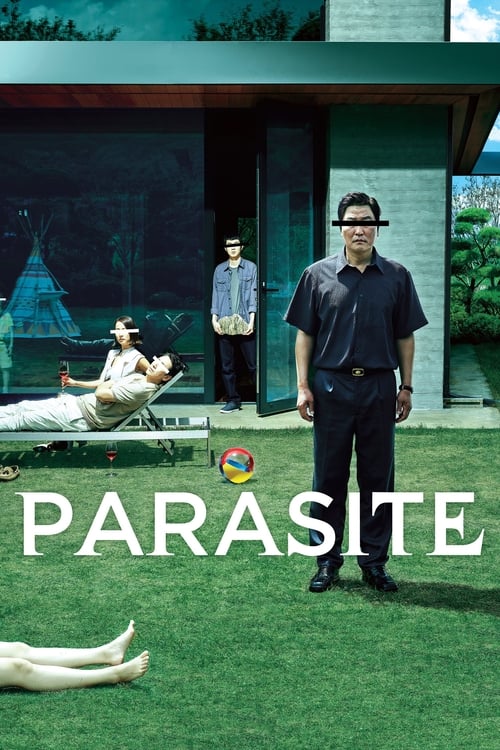
What makes Parasite so important to revisit isn’t just the awards. It’s the way Bong refuses to let you settle into a single genre. The first act plays like a slick con-artist comedy. The Kim family’s slow infiltration of the Park household is genuinely funny, right down to the peach allergy scheme. Then the tone shifts when the housekeeper rings the doorbell during that rainstorm, and suddenly you’re watching a horror movie. Then a class-war tragedy. Then something else entirely. That sequence in the basement, when Ki-woo descends the stairs and discovers what’s been hiding beneath the house, is one of the great reveals in modern cinema. You feel the floor drop out from under you along with him.
That kind of tonal dexterity is what defines the best Korean filmmaking. It’s not a trick. It’s a philosophy. The best Korean directors treat genre boundaries as suggestions, not rules.
The Zombie Movie That Made You Cry
Train to Busan did something in 2016 that shouldn’t have worked. It took a zombie outbreak, set it on a speeding train, and made you weep. Director Yeon Sang-ho understood that the best horror works when you care about the people being chased, and he spent the film’s first act building real relationships between strangers trapped in the same car. The father-daughter dynamic between Gong Yoo and Kim Su-an anchors everything. When Gong Yoo’s character makes his final sacrifice near the end, pushing himself through that vestibule door, it hits harder than any zombie kill in the movie.
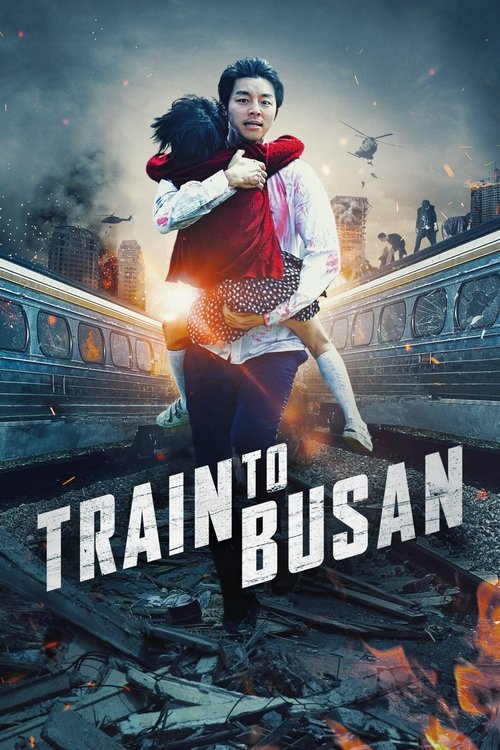
The film also showcased something Korean cinema does better than almost anyone: using genre to talk about class. The passengers are separated by car, literally stratified by social standing, and the film’s most cowardly character is the wealthy businessman who keeps sacrificing others to save himself. It’s not subtle, but it doesn’t need to be. Train to Busan demonstrated that you could make a commercial, crowd-pleasing action-horror movie and still have something real to say. Korean filmmakers continue to work in that tradition, blending spectacle with social commentary in ways that feel organic rather than preachy.
Park Chan-wook’s Hammer
Then there’s Oldboy. Park Chan-wook’s 2003 film remains one of the most physically intense viewing experiences I’ve ever had. The premise alone is harrowing: a man imprisoned for 15 years with no explanation, then released to find out why. But it’s the execution that makes it legendary. That single-take hallway fight, where Choi Min-sik battles his way through a corridor of thugs armed with nothing but a hammer, was shot from the side like a scrolling video game. It’s brutal, exhausting, and you can’t look away. Park reportedly needed 17 takes and three days to get it right.
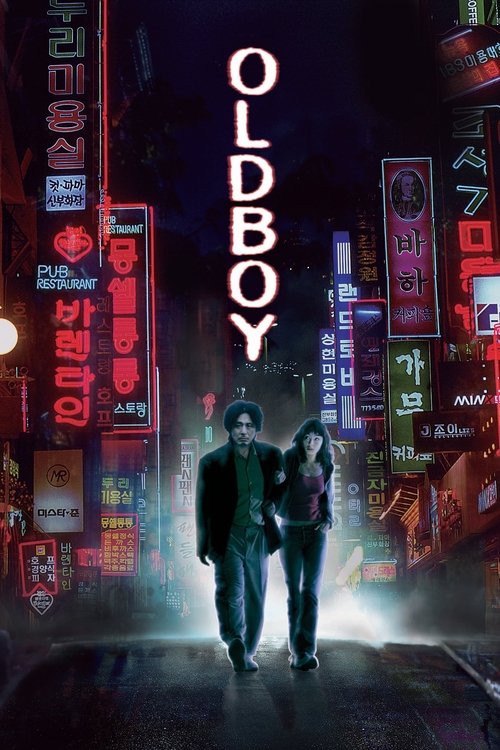
The film’s final twist, when the truth about Oh Dae-su’s imprisonment is revealed, is the kind of gut-punch that rewires how you think about revenge narratives. Park isn’t interested in the catharsis of revenge. He’s interested in what revenge costs. That moral complexity, that willingness to leave the audience deeply uncomfortable rather than satisfied, is something Korean cinema has carried forward into every decade since.
Three Films, One DNA
What connects Parasite, Train to Busan, and Oldboy across different directors, decades, and genres is a shared commitment to emotional truth within genre frameworks. Korean filmmakers don’t treat genre as a lesser form. They use it as a delivery system for stories about class, family, revenge, and systemic failure. A zombie movie becomes a meditation on who society protects and who it abandons. A revenge thriller becomes a philosophical horror story. A dark comedy about a con job becomes the most searing portrait of wealth inequality in recent memory.
This is the foundation that every new wave of Korean releases inherits and builds upon. The country’s film industry keeps producing work across genres, from horror-inflected family dramas to political period pieces, all carrying that same willingness to go further emotionally and tonally than their Hollywood equivalents.
For fans of Korean cinema watching what’s ahead, Husbands in Action arrives June 19 as the latest Korean export. It’s a comedy, which is a space Korean cinema sometimes gets overlooked in. We’ll see whether it carries forward the genre-blending spirit that defines the country’s best work.
If you’re exploring Korean film for the first time or looking to go deeper, start with the three films above. Parasite is the accessible entry point, the film that works for everyone. Train to Busan is the genre gateway, proof that Korean commercial cinema operates on a different level. And Oldboy is the deep cut that shows you just how far Korean directors are willing to go. Browse our full collection to find more international cinema, and check out our thriller and drama selections for films in a similar vein.
Discover Your Next Favorite Film
Browse our curated collection of movie trailers and find something new to watch tonight.
Browse Trailers