Looking Back at 2007: When Auteurs Took Over the Multiplex
Films.io Editorial
5 min read
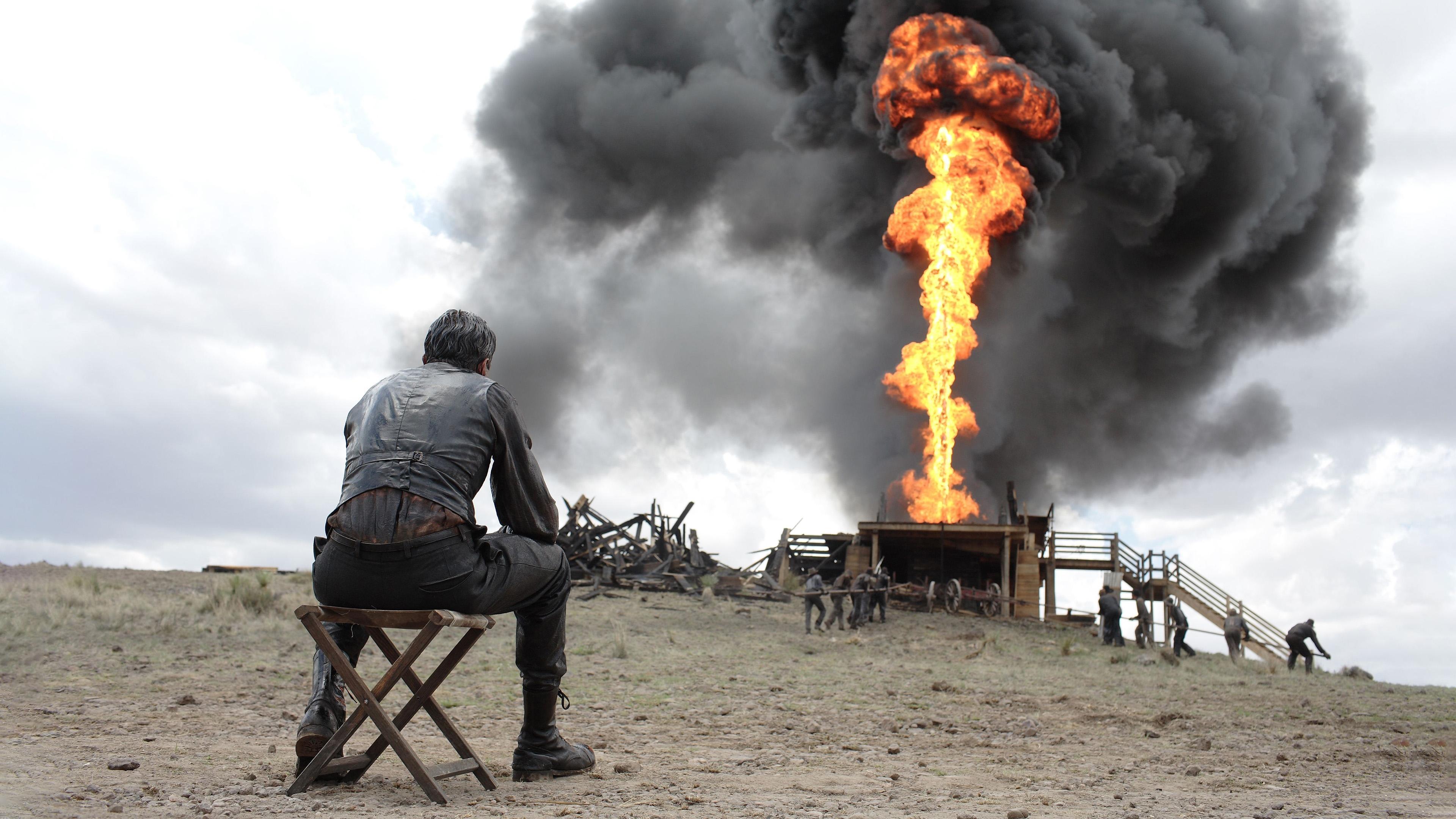
Nearly two decades later, 2007 in film still feels like a kind of miracle year. The best movies of 2007 weren’t franchise sequels or superhero tentpoles. They were long, difficult, occasionally punishing films made by directors who refused to compromise. And audiences showed up anyway. There Will Be Blood and No Country for Old Men opened within weeks of each other, both competing for Best Picture, both running well over two hours, and both treating their audiences like adults. That kind of year doesn’t come around often.
What made 2007 special wasn’t just the quality of individual films. It was the sheer concentration of auteur-driven work that somehow found its way into multiplexes alongside Shrek the Third and Spider-Man 3. David Fincher, the Coen Brothers, Paul Thomas Anderson, Joe Wright, Tony Gilroy. They all delivered career-best or career-defining work in the same twelve-month window. If you love drama and thriller filmmaking, 2007 was the year to be alive.
Daniel Plainview Drinks Your Milkshake
You can’t talk about 2007 without starting with There Will Be Blood. Paul Thomas Anderson’s epic about oil, greed, and American self-destruction is one of those movies that rewired how people think about what a character study can be. Daniel Day-Lewis doesn’t just play Daniel Plainview. He becomes something almost geological, a force of nature grinding everyone around him into dust.
The bowling alley scene gets all the memes, and sure, “I drink your milkshake” has been quoted to death. But the scene that haunts me is earlier, quieter. Plainview sits with his adopted son H.W. on a train, and for a flickering moment you believe this man might be capable of love. Then you watch him abandon the boy after the oil derrick explosion leaves H.W. deaf, shipping him off on a train without a backward glance. Day-Lewis plays that moment with a coldness that’s worse than any violence. You realize Plainview doesn’t hate people. He simply doesn’t need them. That’s the real horror of the film, not the brutality, but the emptiness.
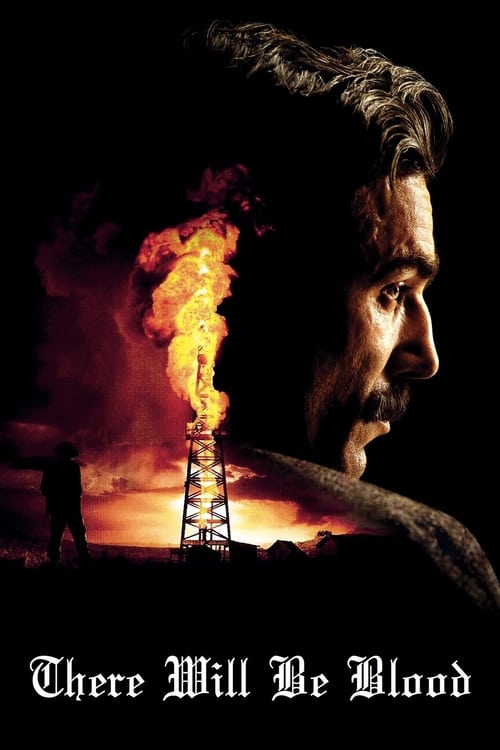
Anderson had already proven himself with Boogie Nights and Magnolia, but There Will Be Blood felt like a different kind of ambition entirely. It’s a film with one towering central performance, barely any traditional plot structure, and a Jonny Greenwood score that sounds like the earth splitting open. The fact that it didn’t win Best Picture still stings. But that’s only because the film it lost to was also from 2007.
Anton Chigurh’s Coin Toss
No Country for Old Men won Best Picture, Best Director, Best Supporting Actor, and Best Adapted Screenplay. It deserved all of them. The Coen Brothers took Cormac McCarthy’s spare, terrifying novel and translated it with a restraint that still surprises me on rewatch. This isn’t a loud movie. Long stretches have no score at all. The violence comes suddenly, without buildup, and the camera doesn’t flinch but it doesn’t linger either.
Javier Bardem’s Anton Chigurh is the kind of villain who makes other movie villains look like they’re trying too hard. The gas station scene, where he forces a man to call a coin toss for his life, is one of the best-written and best-acted sequences in any film from the 2000s. You can feel the air leave the room. The old proprietor has no idea what’s happening. Chigurh knows exactly what’s happening. And the gap between those two realities is where all the terror lives.
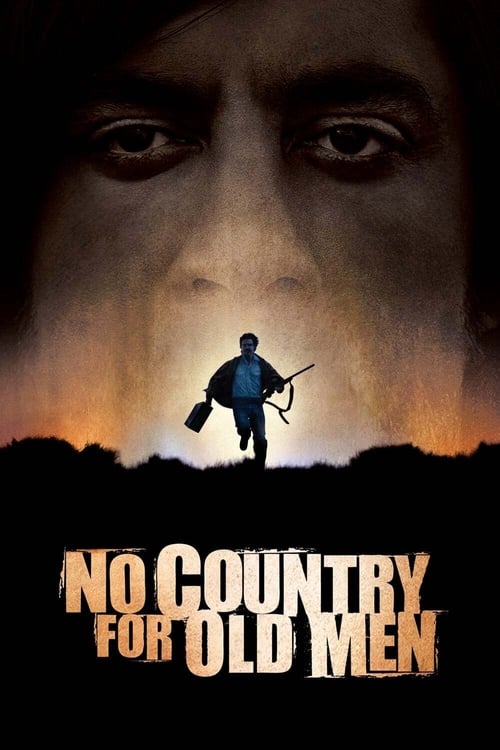
But here’s the thing people forget: Tommy Lee Jones carries this movie. His Sheriff Bell provides the moral center, the quiet sadness of a man watching the world become something he can’t understand. That final monologue about the dream, his father carrying fire through the darkness, it’s one of the most devastating endings in American cinema. The Coens trusted their audience to sit with it, and audiences trusted them back.
David Fincher’s Obsessive Patience
Zodiac came out in March 2007 and basically flopped at the box office. Audiences weren’t ready for a nearly three-hour serial killer movie where nobody catches the serial killer. But time has been very kind to David Fincher’s meticulous procedural, and I’d argue it’s his best film, period.
What makes Zodiac special is that it’s not really about the Zodiac killer. It’s about obsession. Jake Gyllenhaal’s Robert Graysmith starts as a cartoonist with a passing curiosity and ends up sacrificing his marriage, his career, and his sanity to solve a case the actual police couldn’t crack. The basement scene, where Graysmith realizes he might be alone with the killer, is pure Fincher. Quiet, clinical, and absolutely terrifying without a single drop of blood.
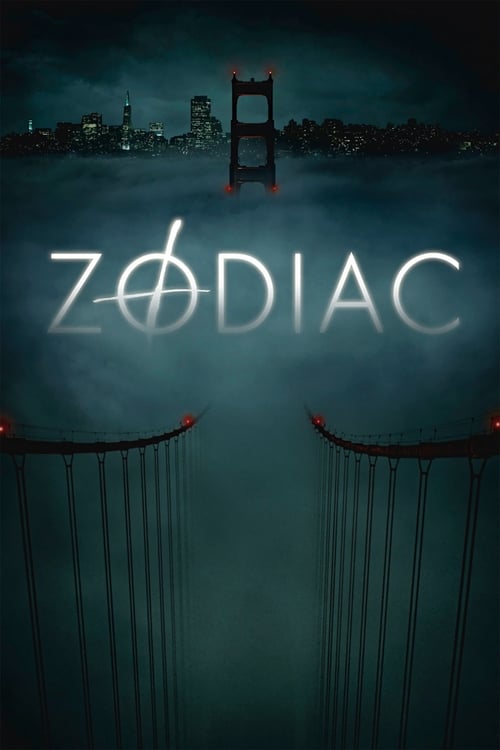
Robert Downey Jr. and Mark Ruffalo are both excellent as the reporter and detective who get chewed up by the case, but this is Gyllenhaal’s movie. He gives Graysmith a dogged, slightly unhinged quality that makes you root for him even as you can see the damage piling up. Fincher would go on to explore obsession from different angles in later films, but Zodiac remains the purest expression of his fascination with people who can’t stop picking at a wound. It’s the movie where his precision as a filmmaker and his subject matter finally achieve perfect alignment.
Joe Wright Goes Big
Atonement plays a completely different game than the American films on this list. Joe Wright’s adaptation of Ian McEwan’s novel is lush, romantic, and structurally daring, built around a lie told by a thirteen-year-old girl that destroys two lives.
The Dunkirk tracking shot is the one everyone remembers, a five-minute unbroken take that follows James McAvoy through the chaos of the beach evacuation. It’s a technical showpiece, sure, but it also does something emotionally devastating. It makes you feel the scale of the war against the smallness of one man’s broken heart. Keira Knightley and McAvoy both give the best performances of their careers, and the typewriter-integrated score by Dario Marianelli is unlike anything you’ve heard in a period film.
Wright had made Pride & Prejudice two years earlier, and it would have been easy to keep making handsome literary adaptations that played it safe. Atonement doesn’t play it safe. That ending, the reveal about what really happened, is a gut punch that recontextualizes everything you’ve just watched.
The Ones That Round Out the Year
Those four films dominate the 2007 conversation, and they should. But part of what made the year so absurdly stacked is everything else that was happening around them.
Michael Clayton is the one I keep coming back to. Tony Gilroy’s directorial debut is a legal thriller that doesn’t really play like a thriller at all. It’s more like a character study of a man realizing his entire career has been spent cleaning up messes for people who don’t deserve protection. George Clooney is magnetic in the role, and there’s a scene near the end, in a cab, where you watch Clayton decide to burn his whole life down. The look on his face in that final shot, sitting in the back of the taxi as the meter runs, is one of the great ambiguous endings of the decade.
And then there’s Ratatouille, which has no business being as emotionally sophisticated as it is. Brad Bird made a movie about a rat who wants to cook in Paris, and somehow it became one of Pixar’s most honest statements about art, criticism, and who gets to create. Peter O’Toole’s Anton Ego delivering that monologue about how “the new needs friends” still wrecks me. It’s a children’s film that takes its subject more seriously than most adult dramas about artists ever bother to.
The international scene was just as strong. Julian Schnabel’s The Diving Bell and the Butterfly told the story of Jean-Dominique Bauby, the Elle editor who suffered a massive stroke and could only communicate by blinking his left eye. Schnabel shot much of the film from Bauby’s literal point of view, trapped behind a single functioning eyelid, and the result is cinema as empathy engine. It’s one of the most formally daring films of the decade, and it got largely overshadowed in the Oscar race by the heavyweights above.
A Year That Won’t Let Go
Looking back from nearly twenty years out, what strikes me most about 2007 is how many of these films hold up not just as good movies but as the defining works of their directors’ careers. Anderson had Magnolia and would go on to make more acclaimed work, but There Will Be Blood is the one people reach for first. The Coens had Fargo and would continue making excellent films, but No Country remains their sharpest statement. Fincher’s Zodiac has only grown in reputation. Michael Clayton proved Gilroy was more than a screenwriter-for-hire. Even Ratatouille, an animated film about a cooking rat, has aged into something people cite when they argue about what art criticism should be.
These weren’t small indie films that played for a week in three cities. They were wide releases that trusted general audiences to handle ambiguity, moral complexity, and endings that didn’t wrap everything up in a bow. That trust paid off. If you haven’t revisited these films recently, now’s the time. You can find more from these directors across our full collection, and if the darker side of 2007 is calling your name, our crime films and thriller picks are a good place to dig deeper.
Discover Your Next Favorite Film
Browse our curated collection of movie trailers and find something new to watch tonight.
Browse Trailers