17 Best Unreliable Narrator Movies
Films.io Editorial
5 min read
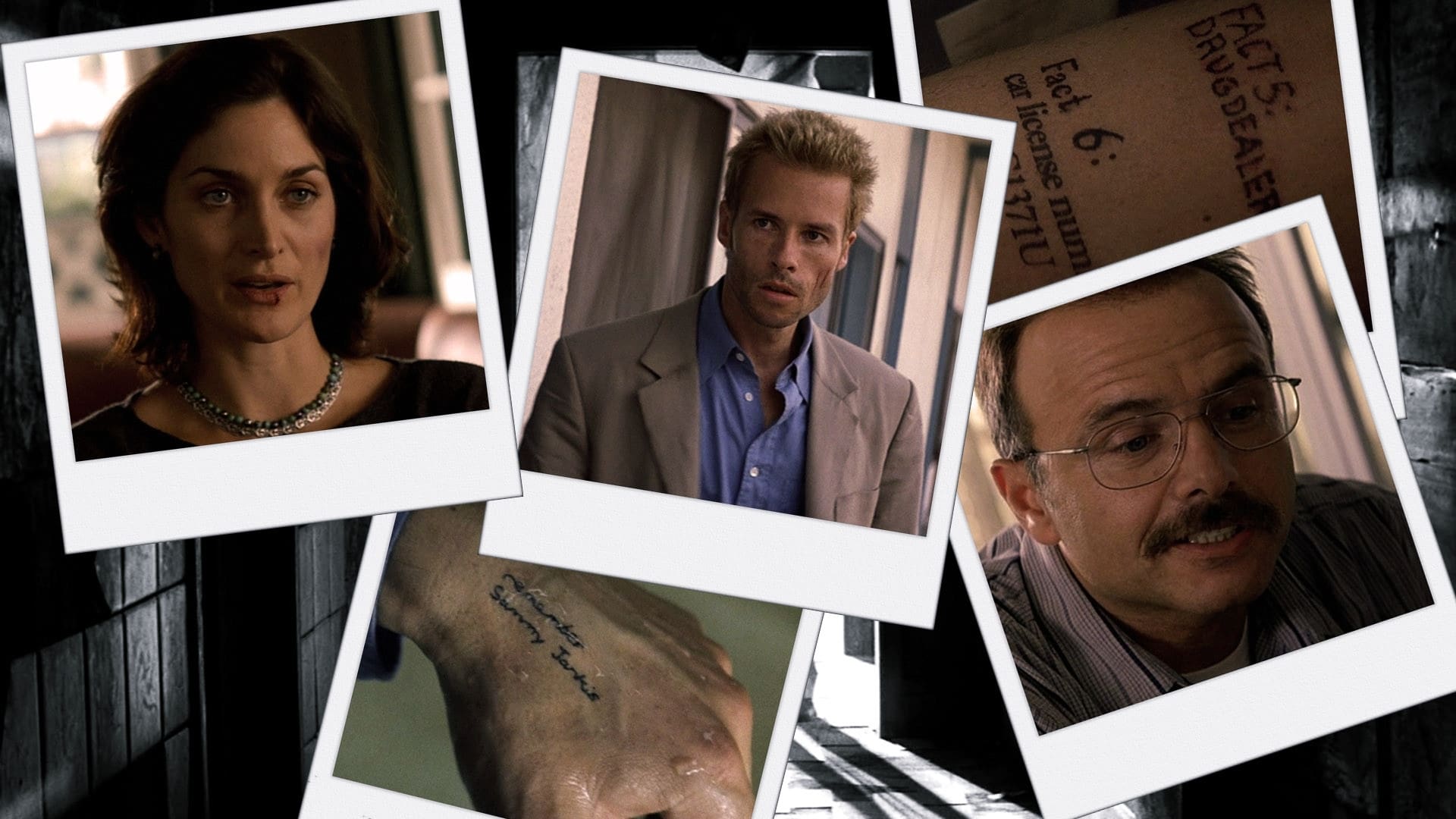
Every movie asks you to trust someone. The camera, the director, the protagonist whispering their version of events into your ear. But what happens when that trust is misplaced? The best unreliable narrator movies don’t just trick you. They make you complicit in the lie, and then they pull the rug out so hard you have to rewatch the whole thing. Films with unreliable narrators tap into something primal: the fear that we can’t trust our own perception. Here are 20 of the best.
1. Memento (2000)
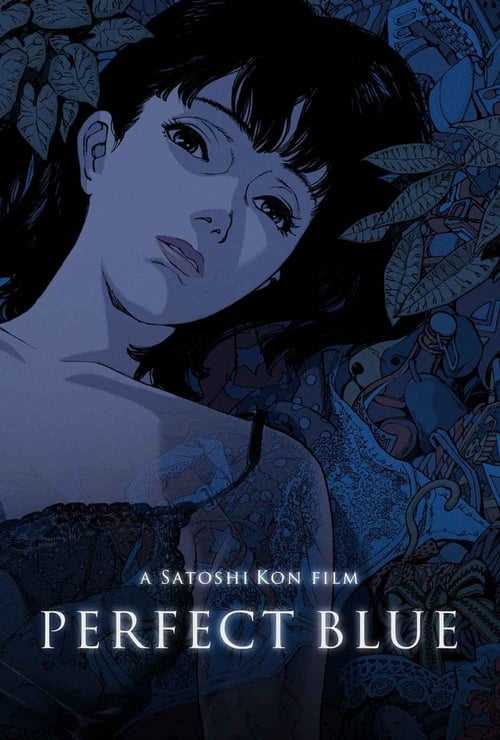
Christopher Nolan’s reverse-chronology thriller earns every ounce of its reputation. Guy Pearce plays a man with no short-term memory hunting his wife’s killer, and the backwards structure puts you inside his broken mind. You’re as lost as he is, piecing together fragments that don’t quite fit. The final revelation reframes everything you thought you knew, and suddenly Leonard’s entire quest looks different.
2. Fight Club (1999)
The narrator literally doesn’t have a name, and that’s your first clue. David Fincher and Chuck Palahniuk’s anarchic satire of consumer culture builds its entire identity on a lie the protagonist tells himself. That twist works because the movie plays fair with its own rules. Fincher carefully stages scenes to obscure how Tyler interacts with the wider world, keeping certain encounters ambiguous, limiting others to spaces the narrator controls. Go back and study the compositions. The visual grammar is telling you the truth the whole time.
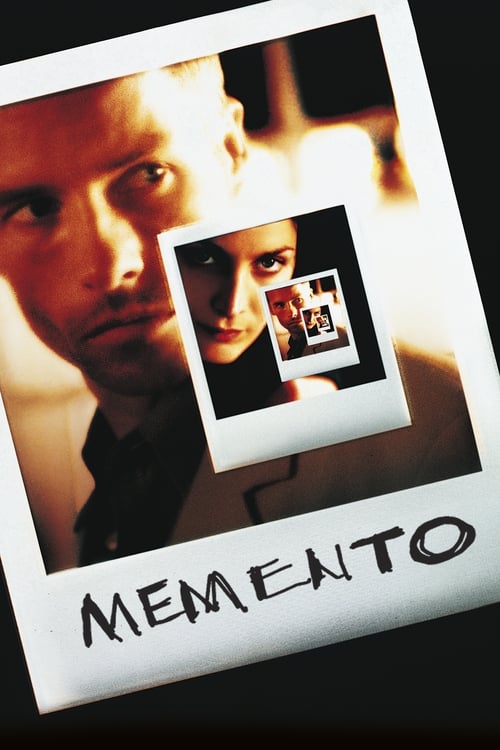
3. Mulholland Drive (2001)
David Lynch takes the unreliable narrator concept and stretches it until it snaps. Naomi Watts plays two versions of herself (or does she?), and the first two acts are essentially a fantasy constructed by a mind that can’t face reality. The Silencio club scene is one of the most unsettling moments in cinema, and it’s Lynch telling you directly: none of this is real.
4. American Psycho (2000)
Did Patrick Bateman actually kill anyone? Mary Harron’s adaptation leaves that question deliberately unanswered. Christian Bale’s performance walks a tightrope between horrifying confession and complete delusion. The scene where he tries to feed a cat to an ATM should tell you everything about how much you can trust this man’s version of events. The entire film is filtered through Bateman’s narcissistic self-perception, and Harron never gives you a single scene from outside his distorted point of view.
5. The Usual Suspects (1995)
Keyser Söze. Two words that became shorthand for the greatest narrative con job of the 1990s. Kevin Spacey’s Verbal Kint spins a story so elaborate, so detailed, that you never stop to ask whether any of it actually happened. The film is built entirely around the question of who’s telling the truth, and the final shot of that bulletin board, with its coffee cup and scattered details, is the moment the entire narrative dissolves beneath your feet.
6. Gone Girl (2014)
Gillian Flynn’s screenplay is a clinic in shifting perspectives. You spend the first half believing Nick Dunne might have murdered his wife. Then the diary entries flip, and you realize Amy has been narrating her own myth. Rosamund Pike is terrifying precisely because she understands how stories work, and she weaponizes that understanding against everyone, including you. The diary is the key. Amy wrote it as evidence, crafting a version of herself that never existed, and you swallowed every word.
7. Shutter Island (2010)
Martin Scorsese builds an entire gothic nightmare around a U.S. Marshal investigating a psychiatric facility. Leonardo DiCaprio sells the paranoia so completely that when the truth arrives, it doesn’t feel like a twist. It feels like grief. The unreliable narration here serves a deeper purpose: it’s a coping mechanism, a man’s mind constructing an elaborate fiction because the real story is too devastating to hold.
8. The Sixth Sense (1999)
M. Night Shyamalan’s breakout blockbuster works because Bruce Willis’s Malcolm Crowe is unreliable without knowing it. The audience shares his blindspot entirely. Every scene with his wife, every moment of supposed normalcy, takes on a completely different meaning on rewatch. The twist is famous, but the craft behind it is what holds up. Shyamalan plays with framing and editing so precisely that the deception feels organic rather than forced.
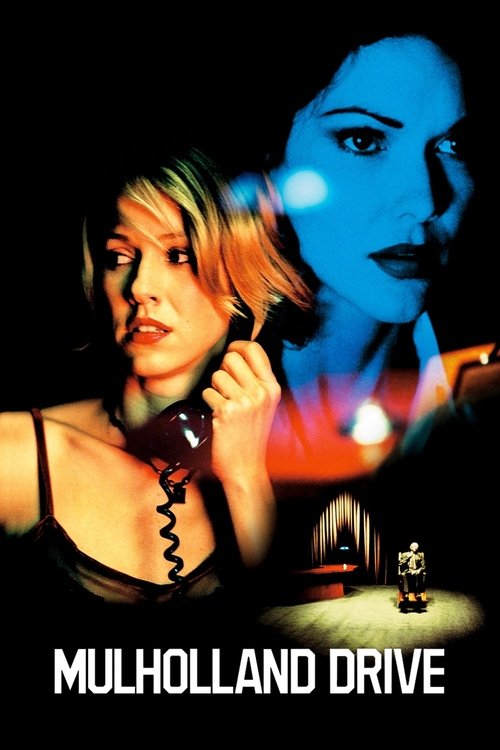
9. Perfect Blue (1998)
Satoshi Kon’s animated thriller blurs the line between reality, performance, and psychosis so thoroughly that you stop trying to separate them. Mima’s identity fragments as she transitions from pop idol to actress, and Kon’s editing deliberately confuses what’s a TV show, what’s a dream, and what’s actually happening. There’s a recurring cut where Mima wakes up and you can’t tell which layer of reality she’s woken into. It’s disorienting by design.
10. A Beautiful Mind (2001)
Ron Howard pulls off something genuinely difficult: he makes you experience schizophrenia from the inside. For the first act, you accept John Nash’s roommate and government handler as real characters. When the diagnosis arrives, you feel the betrayal alongside Russell Crowe. The film earns its emotional weight because the unreliable narration functions as empathy. You don’t just understand Nash’s condition intellectually. You’ve lived inside it.
11. Atonement (2007)
Joe Wright’s adaptation of Ian McEwan’s novel is about the stories we tell to survive our own guilt. Young Briony witnesses something she doesn’t understand, narrates it as something criminal, and destroys two lives. The final act reveals that even the “happy” resolution we’ve been watching is a fiction she wrote. The real ending is worse. And the crushing part is that Briony knows it. She chose the lie because the truth offered no redemption.
12. Oldboy (2003)
Park Chan-wook’s revenge thriller operates on layers of deception. Oh Dae-su thinks he’s the protagonist of a revenge story, but someone else is directing the narrative entirely. The corridor fight scene is iconic, but the real gut punch comes at the end, when you realize every choice Dae-su made was scripted by his captor. His entire sense of agency, his narration of his own heroic quest, was someone else’s plot.
13. Black Swan (2010)
Darren Aronofsky traps you inside Nina’s deteriorating psyche so completely that you can’t tell what’s real by the third act. Natalie Portman scratching at her own skin, seeing her reflection move independently, watching Mila Kunis transform into something monstrous. The camera never leaves Nina’s perspective, which means every hallucination carries the same visual weight as every real event. Aronofsky refuses to give you an objective frame of reference. Nina’s fractured perception is all you get.
14. Joker (2019)
Todd Phillips’ origin story is told entirely through Arthur Fleck’s perspective, and the film goes out of its way to show you that Arthur is an unreliable source. The romance subplot with Sophie is the most obvious example. Entire sequences that seemed sweet and genuine are revealed to be fabrications, and Phillips literally rewinds the film to show you the empty hallway Arthur was actually standing in. Joaquin Phoenix sells the disconnect between Arthur’s inner narrative and the world’s indifference with every hunched step.
15. The Big Lebowski (1998)
The Stranger, voiced by Sam Elliott, opens the film by admitting he lost his train of thought. That’s your warning. The Dude himself is so perpetually stoned that he misremembers conversations, conflates timelines, and stumbles through a noir plot he barely understands. The Coens use the unreliable narrator for comedy rather than menace, and the result is a film where the mystery doesn’t matter because the person experiencing it can’t keep it straight. The Stranger even admits at the end that he doesn’t quite know what happened either.
16. To Die For (1995)
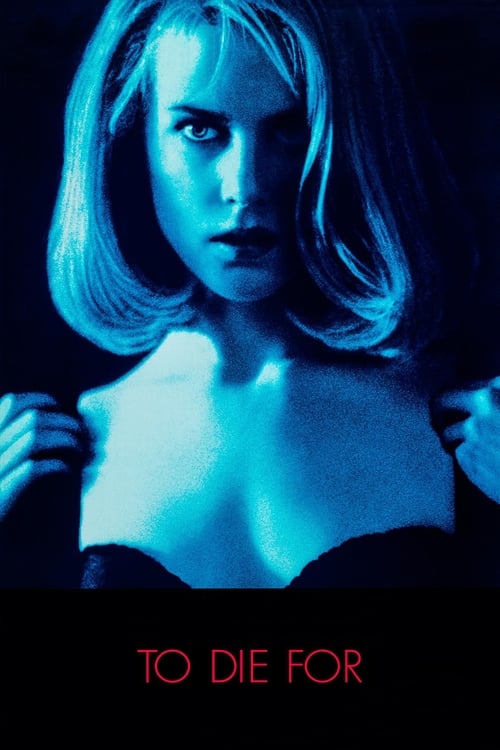
Nicole Kidman’s Suzanne Stone talks directly to the camera, convinced she’s the heroine of her own story. She’s charming, ambitious, and completely delusional about her own monstrousness. Gus Van Sant frames the whole thing as a mockumentary, letting Suzanne’s self-serving narration slowly reveal the gap between how she sees herself and what she actually is. Other characters get their own talking-head segments that contradict everything she’s said. Kidman is ice-cold perfection in the role.
17. Life of Pi (2012)
Ang Lee’s visually gorgeous survival story asks you one of the best unreliable narrator questions ever put on screen: which story do you prefer? Pi tells two versions of his ordeal at sea. One is beautiful, mythic, impossible. The other is brutal and human. The film never confirms which is true, and it doesn’t need to. The point is that storytelling itself is an act of survival, and Pi’s narration is shaped not by what happened, but by what he needs to believe happened.
The best unreliable narrator movies don’t just play tricks on their audience. They ask real questions about memory, identity, and the stories we construct to make sense of our lives. Whether it’s the reverse-engineered puzzle of Memento or the hallucinatory dreamscape of Mulholland Drive, these films reward the viewers who pay attention, and they reward rewatching even more. Browse our full collection of thrillers and mystery films for more movies that refuse to play it straight.
Discover Your Next Favorite Film
Browse our curated collection of movie trailers and find something new to watch tonight.
Browse Trailers