Best Composers in Modern Cinema
Films.io Editorial
5 min read
The best modern film composers don’t just write music. They create entire emotional architectures. Think about it: you can hum the Inception horn blast or feel the dread of Joker’s cello without seeing a single frame. That’s the power these composers wield. They’re shaping how we experience cinema on a molecular level, and the last couple of decades have produced some of the most distinctive voices in film scoring history.
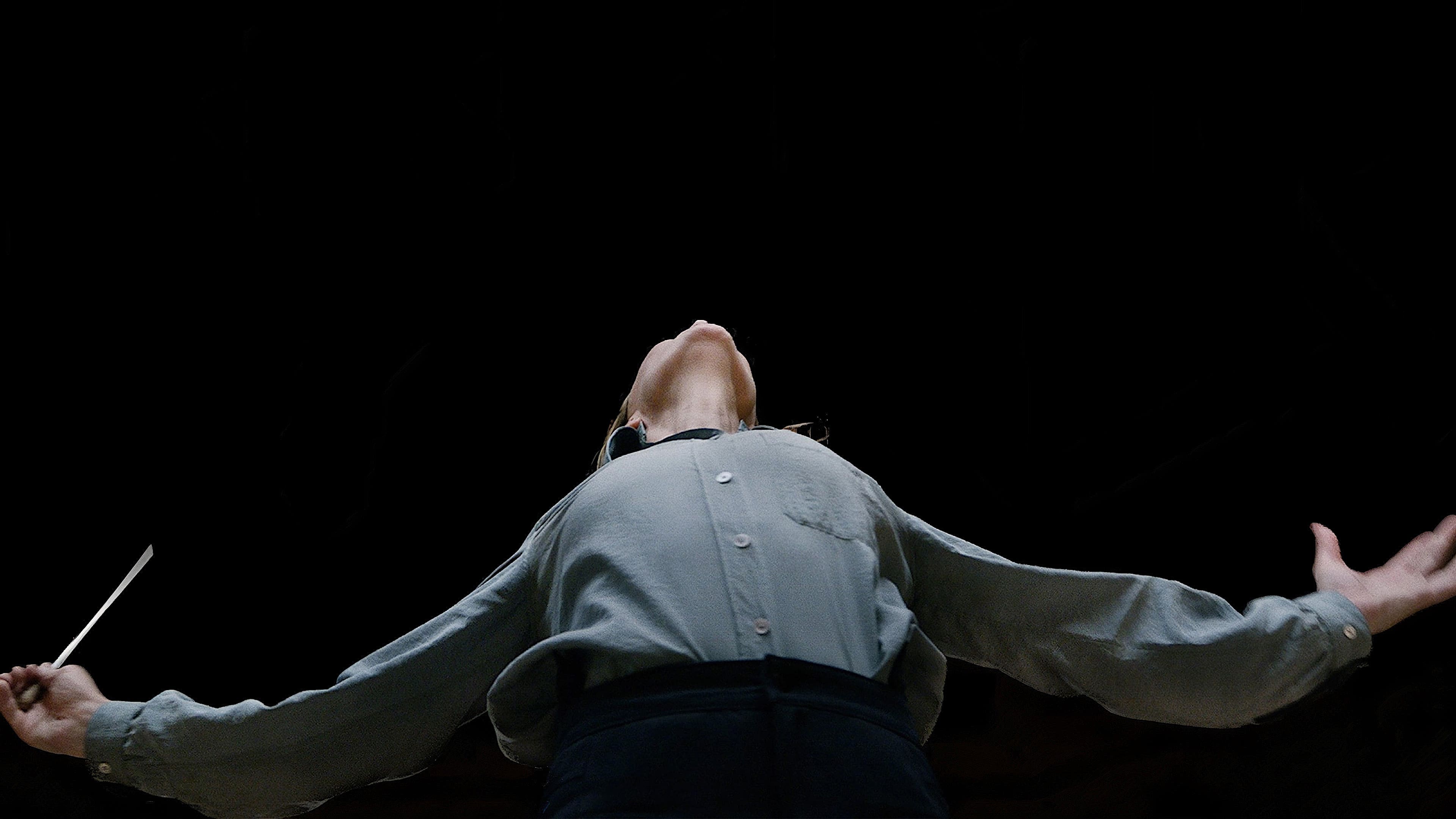
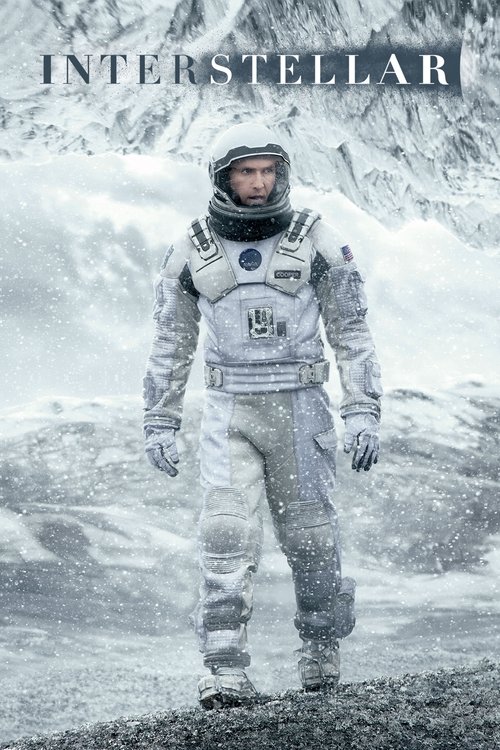
Take a film like Interstellar. Strip away Hans Zimmer’s organ-driven score, and you lose half the movie’s emotional weight. Or consider how TÁR built its entire narrative around a conductor’s relationship to Mahler, making classical composition feel as dangerous as any thriller. These are films where music isn’t decoration. It’s the spine.
This isn’t a ranked list, and it doesn’t pretend to be exhaustive. But if you want to understand what makes modern film composers so essential, these are the names you need to know.
Hans Zimmer Changed the Game (Again and Again)
You can’t talk about modern film composers without starting here. Hans Zimmer has been working since the late ’80s, but his influence on contemporary scoring is impossible to overstate. He essentially invented the modern blockbuster sound, that wall of percussion and synthesizers layered with orchestral swells that defined everything from The Dark Knight to Gladiator.
But what’s kept him relevant is his refusal to repeat himself. His work on Interstellar abandoned bombast for a lonely church organ. The ticking clock motif in Dunkirk made the entire theater feel like it was running out of air. And his Dune score traded heroic themes for something alien and spiritual, building an entire sonic language from scratch. Zimmer doesn’t just score movies. He builds worlds.
Ludwig Göransson: From Atlanta to Wakanda
Ludwig Göransson might be the most versatile composer working today. He won an Oscar for Black Panther, a score that fused orchestral traditions with West African instrumentation, recorded partly in Senegal. Then he turned around and scored Tenet with abrasive, time-reversed sound design that felt like getting punched by a synthesizer.
What makes Göransson special is range. He can do the delicate acoustic work for a Ryan Coogler drama and then go full sci-fi chaos for Christopher Nolan. His collaboration with Coogler goes back to their film school days, and you can hear that trust in every note. He’s not writing music to impress. He’s writing music that serves the story.
Hildur Guðnadóttir: The Sound of Dread
Hildur Guðnadóttir made history as the first woman to win the Best Original Score Oscar on her own, for Joker. But her work on that film wasn’t just a milestone. It was a statement. She recorded the score before filming began, and Joaquin Phoenix used it on set to find his way into the character. That bathroom dance scene? It’s as much her creation as his.
Her score for Chernobyl is just as impressive, maybe more so. She captured something genuinely terrifying with those sounds: the hum of radiation, the creaking of a doomed reactor. It’s not music you enjoy. It’s music that gets under your skin and stays there.
Trent Reznor and Atticus Ross: Industrial Elegance
When David Fincher tapped Trent Reznor and Atticus Ross for The Social Network, it was a gamble. The Nine Inch Nails frontman scoring a movie about Facebook? But they delivered one of the defining scores of the 2010s, all icy synthesizers and pulsing anxiety. That opening track, “Hand Covers Bruise,” tells you everything about Mark Zuckerberg before he says a word.
They’ve since become one of the most sought-after composing duos in Hollywood. Their work ranges from the churning darkness of Gone Girl to the melancholy electronic textures of Soul (with Jon Batiste handling the jazz side). They bring an outsider’s sensibility to film scoring, and it shows. Their music never sounds like temp tracks or recycled cues. It sounds like nothing else.
Jonny Greenwood: The Radiohead Guitarist Who Became a Scoring Genius
Jonny Greenwood’s partnership with Paul Thomas Anderson has produced some of the most distinctive film music of the century. His score for There Will Be Blood is practically a character in the film, those screeching strings announcing Daniel Plainview’s madness before he even speaks. His work on Phantom Thread shifted to something gentler but no less precise, and The Power of the Dog showed he could do sparse, aching Americana.
What sets Greenwood apart is his classical training combined with his rock instincts. He writes for orchestras the way he plays guitar: with controlled aggression and sudden tenderness. There’s always something slightly off-kilter in his scoring, a dissonance that keeps you alert.
Alexandre Desplat: Precision as a Superpower
Alexandre Desplat doesn’t get enough credit. He’s quietly amassed one of the most impressive filmographies in the business, and his range is deceptive. The Grand Budapest Hotel score is whimsical and mathematically precise at the same time, each zither pluck and harpsichord run timed to Wes Anderson’s visual symmetry. His work on The Shape of Water found a completely different register, all romantic yearning and watery textures that made you feel like you were floating.
What Desplat does better than almost anyone is disappear into the fabric of a film. You don’t notice his scores as separate objects. They feel inseparable from the images. That’s not a weakness. That’s the highest compliment you can pay a film composer.
Michael Giacchino: The Emotional Demolition Expert
Michael Giacchino has become Pixar’s go-to voice, and for good reason. His work on Up, specifically that four-minute “Married Life” montage, is some of the most emotionally devastating film music ever written. No dialogue. Just his composition doing all the heavy lifting. The way the piano theme starts playful and slowly accumulates weight until it’s carrying an entire lifetime of love and loss? That’s not scoring. That’s surgery on your feelings.
He’s also proven himself outside of animation. His scores for the recent Planet of the Apes films and the Jurassic World entries show real ambition, even when the films themselves don’t always match it. Giacchino writes big, earnest themes in an era that often favors subtlety, and there’s something refreshing about a composer who isn’t afraid to let the orchestra soar.
Nicholas Britell: Making Small Moments Feel Enormous
Nicholas Britell deserves a spot in any conversation about modern film composers. His score for Moonlight is achingly beautiful, the way he takes chopped and screwed hip-hop techniques and applies them to classical strings is genuinely inventive. Barry Jenkins clearly trusts him completely, and their collaboration on If Beale Street Could Talk deepened that relationship.
But it’s his work on Succession that turned him into a household name, at least among people who pay attention to credits. That opening theme, bombastic piano over trap beats, shouldn’t work for a show about billionaire dysfunction. And yet it’s perfect. Britell finds the absurd grandiosity in these characters and scores it with a wink and a roar.
Mica Levi: The Composer Who Scares You Without Trying
Mica Levi’s score for Under the Skin is one of the most unnerving pieces of film music in recent memory. It sounds like strings being tortured, alien and dissonant and somehow beautiful all at once. Jonathan Glazer needed music that felt genuinely otherworldly, and Levi delivered something that doesn’t just accompany the images. It makes them feel dangerous.
Their subsequent work on Jackie took a different approach, all lush and mournful, but still with that unsettling edge. Levi composes like someone who learned the rules of orchestration specifically to break them. Not many composers working today can make you feel physically uncomfortable just through sound. That’s a gift, even if it’s an unnerving one.
When the Score Becomes the Story
The composers above shape how we hear movies. But some films go further, making music itself the subject, and the best of these reveal something about the creative process that even a great score can’t articulate on its own.
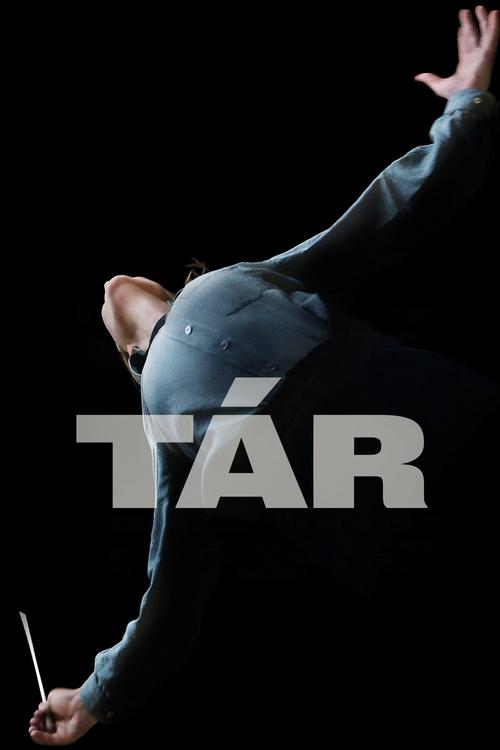
Todd Field’s TÁR is the gold standard here. Cate Blanchett plays a fictional conductor whose relationship to Mahler’s Fifth Symphony becomes the battleground for the film’s ideas about power, ego, and the cost of genius. What makes TÁR essential to any conversation about composers is how seriously it takes the act of interpretation. Blanchett’s Lydia Tár doesn’t just perform music. She weaponizes it. The film understands that conducting and composing are acts of authority, and it interrogates that authority more honestly than any music film in recent memory.
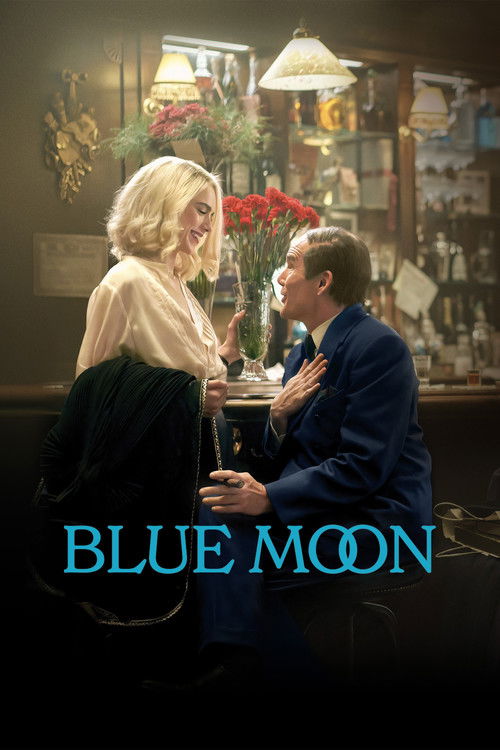
Richard Linklater’s Blue Moon explores a different dimension of the same anxiety. Set on a single night in 1943, it follows lyricist Lorenz Hart as he confronts his shattered confidence while his former partner Richard Rodgers celebrates a new opening night without him. Ethan Hawke brings real vulnerability to Hart, and the film’s theatrical intimacy captures what happens when a collaborator realizes he’s been left behind. For anyone who’s ever wondered what it feels like to watch someone else score the movie you thought was yours, Blue Moon gets it.
A Complete Unknown approaches the creative process from yet another angle. Timothée Chalamet’s performance as the young Bob Dylan captures something essential about how artists absorb existing traditions and then detonate them. The way the film shows Dylan moving through the Greenwich Village folk scene, soaking up influences and then discarding them when they no longer fit, feels like a lesson any film composer would recognize. Finding your own voice within an established tradition is exactly what Zimmer did when he rewrote blockbuster scoring, and what Guðnadóttir did when she brought a cello into a superhero movie.
The Score Keeps Playing
The best modern film composers share one quality: they make you hear a movie differently than you would without them. Zimmer, Göransson, Guðnadóttir, Reznor and Ross, Greenwood, Desplat, Giacchino, Britell, Levi. They aren’t just accompanists. They’re co-authors of the emotional experience.
And films like TÁR, Blue Moon, and A Complete Unknown prove that the appetite for understanding how music gets made, and what it costs, isn’t slowing down. Whether it’s Blanchett dissecting Mahler’s intentions in a masterclass scene or Chalamet plugging in an electric guitar at Newport, these films are all asking the same question the great composers answer every time they sit down to score: what does this moment need to sound like?
Browse more drama films in our collection, or check out our pages on A Complete Unknown, TÁR, and Elvis for films where music isn’t just the backdrop. It’s the whole point.
Discover Your Next Favorite Film
Browse our curated collection of movie trailers and find something new to watch tonight.
Browse Trailers