2019 in Cinema: Looking Back at the Year Before Everything Changed
Films.io Editorial
5 min read
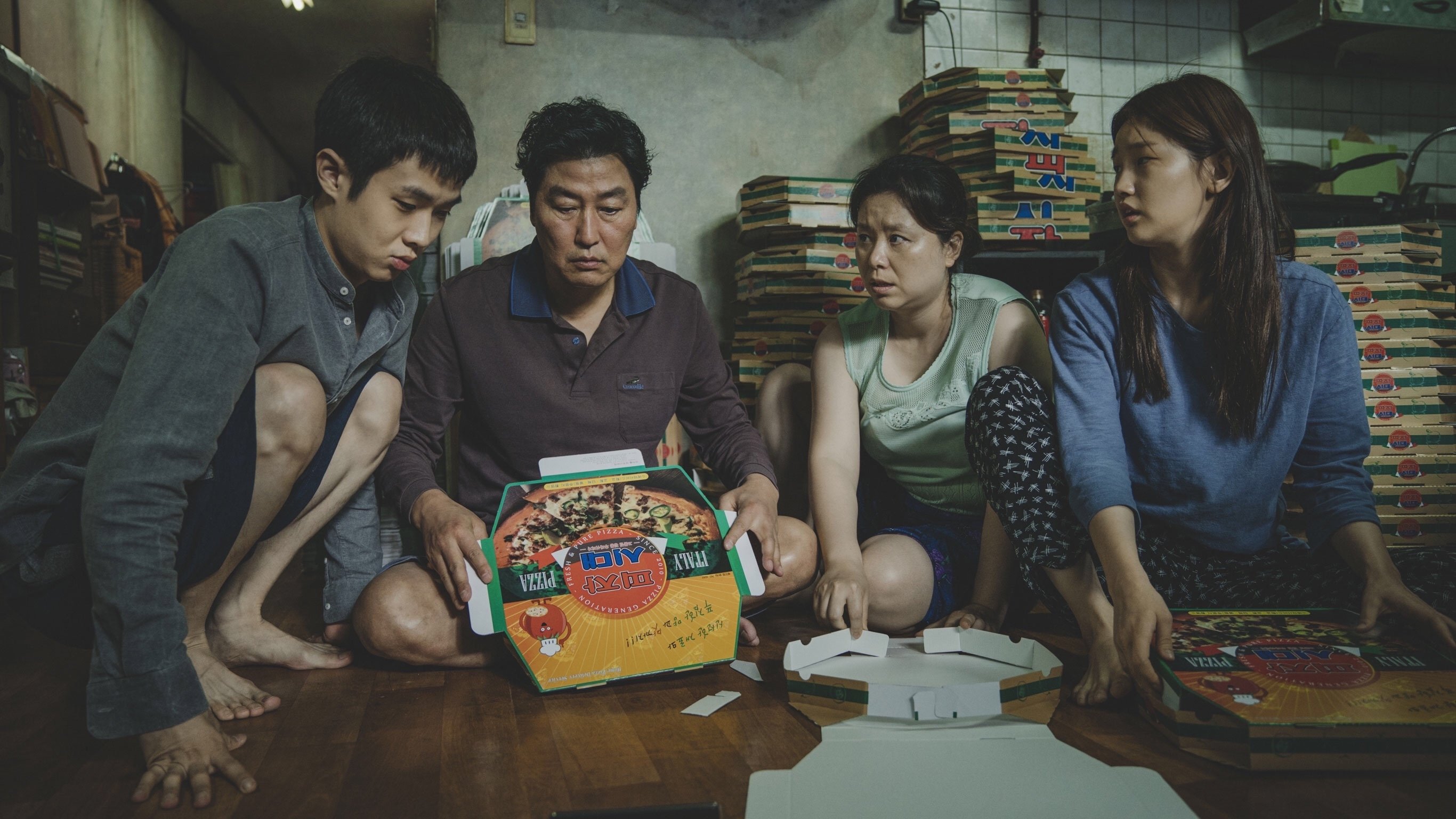
Seven years out, 2019 in film looks like a different world. Not just because of what came after, but because of what was happening on screen. The best movies of 2019 felt daring, personal, and wildly varied. Parasite won the Palme d’Or and then the Oscar for Best Picture, the first non-English language film to do so. Quentin Tarantino made a hangout movie about the death of Old Hollywood. Noah Baumbach turned a divorce into something so specific it felt universal. Rian Johnson proved whodunits could be box-office gold again. Looking back from the summer of 2026, 2019 was a year where original storytelling dominated the conversation, and that alone makes it worth revisiting.
What’s strange is how few of those films were sequels, reboots, or franchise entries. Parasite, a Korean social thriller about two families on opposite ends of the economic ladder, became the most talked-about movie on the planet without a single recognizable Hollywood face. The movies that defined 2019 were, for the most part, original scripts made by directors with strong visions and the freedom to execute them. That feels increasingly rare. So here’s a look back at the films that made 2019 such a remarkable year for cinema, and why they still hold up.
The Night the Kims Came to Dinner
You can’t talk about 2019 without starting with Parasite. Bong Joon-ho’s film didn’t just win Best Picture. It changed the conversation about what an international film could do in the American market. The Kims folding pizza boxes in their semi-basement apartment. The slow infiltration of the Park household. That birthday party in the rain. Every scene is doing three things at once: building tension, landing jokes, and making an argument about class that never feels preachy.
What makes Parasite rewatchable, even now, is how much you catch on subsequent viewings. The architecture of the Park house isn’t just production design. It’s the thesis of the film, made literal. Rich people live up high. Poor people live underground. And the staircase between them is where everything falls apart. Bong Joon-ho had been making great movies for years, but Parasite was the one that made the whole world pay attention.
Tarantino’s Fairy Tale About 1969
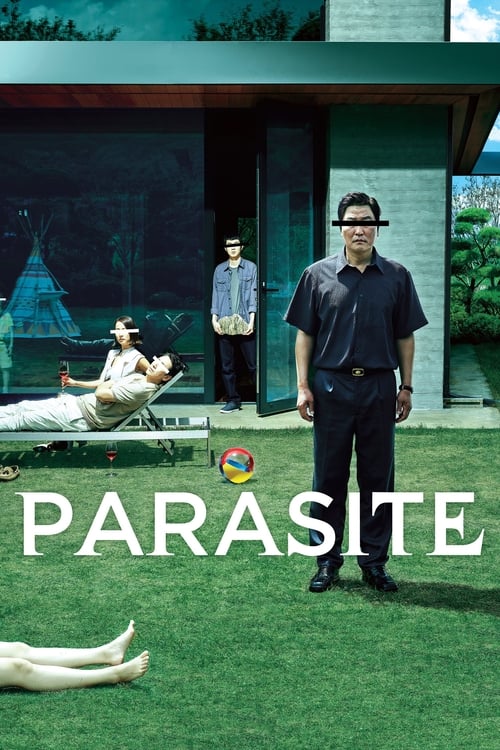
Once Upon a Time in Hollywood is not Tarantino’s tightest film. It might be his most relaxed, which is either a feature or a bug depending on your patience. Brad Pitt driving around Los Angeles, listening to the radio, the camera lingering on neon signs and movie marquees. For long stretches, nothing “happens” in the traditional sense. And that’s the point.
The film is Tarantino mourning a version of Hollywood that was already dying in 1969, and he’s in no hurry to let go. Leonardo DiCaprio’s Rick Dalton, a fading TV cowboy terrified of irrelevance, gives one of the most vulnerable performances of his career. That scene where he blows his lines and then berates himself in his trailer? That’s not movie-star vanity. That’s genuine despair. And Pitt’s Cliff Booth is the coolest character Tarantino has ever written, which is saying something. The ending rewrites history in a way that’s violent, cathartic, and deeply sad all at the same time.
A Divorce That Feels Like Yours
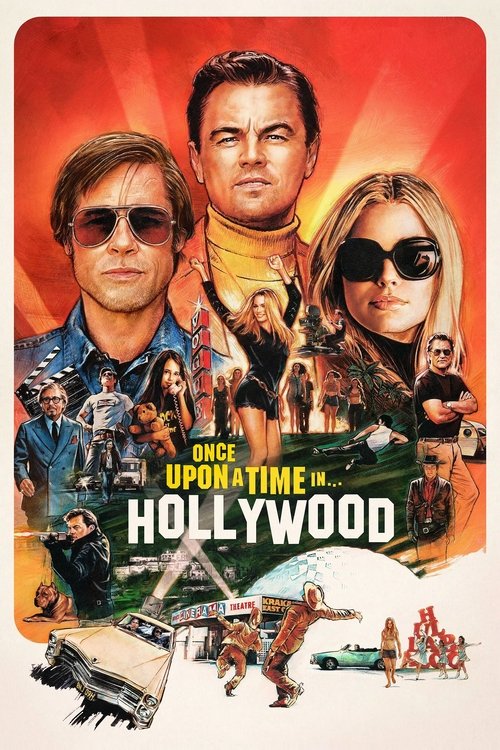
Noah Baumbach’s Marriage Story came out the same year and occupies completely different emotional territory. Scarlett Johansson and Adam Driver play a couple going through a divorce that starts amicable and curdles into something ugly. Not because either of them is a bad person, but because the system forces them into adversarial positions.
The film’s centerpiece is the argument scene in Charlie’s apartment. You know the one. Both actors go from measured disagreement to full-throated screaming in a way that feels less like acting and more like something you shouldn’t be watching. Driver punching the wall. Johansson crumbling. And then that beat where he collapses and she goes to comfort him, because love doesn’t just stop. Baumbach, who’d explored relationship breakdown before in The Squid and the Whale, had never been this raw. Laura Dern won an Oscar for her supporting role as a shark divorce lawyer, and she earned every bit of it.
Rian Johnson’s Best Plot Twist
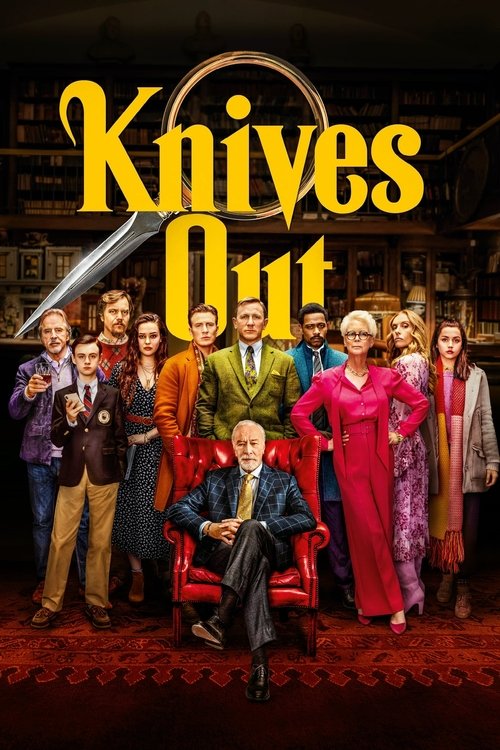
After The Last Jedi divided Star Wars fans down the middle, Rian Johnson did something smart. He made Knives Out, a crowd-pleaser with a killer hook: a wealthy patriarch dies after his 85th birthday party, and every member of his awful family had a reason to want him dead. Daniel Craig’s Benoit Blanc is a ridiculous character played with total commitment, all honeyed Southern drawl and theatrical deduction.
But the real twist of Knives Out isn’t who killed Harlan Thrombey. It’s that Johnson reveals “the truth” thirty minutes in and then makes you realize you don’t actually know what happened at all. Ana de Armas carries the film as Marta, the nurse who can’t lie without vomiting, and she brings real emotional weight to what could have been a gimmick. The movie made over $300 million worldwide on a $40 million budget. Original scripts can still print money when they’re this entertaining.
The Year’s Dark Edges
Not everything in 2019 was prestige drama and whodunits. Joker turned a comic book origin story into a grimy character study that owed more to Taxi Driver than to any Marvel movie. Joaquin Phoenix lost alarming amounts of weight and gave a performance that’s impossible to look away from, even when you want to. Todd Phillips directed it with a confidence nobody saw coming from the guy who made The Hangover.
The film divided critics almost perfectly. Some called it irresponsible. Others called it the most interesting thing a major studio had done in years. I land somewhere in between. Phoenix is extraordinary, and the Gotham he inhabits feels genuinely dangerous. But the script leans too hard on “society is to blame” without really interrogating that idea. It won Phoenix the Oscar, though, and it’s hard to argue he didn’t deserve it.
1917 and the Long Take That Wouldn’t Quit
Sam Mendes’ 1917 pulled off something technically audacious: a World War I film designed to look like one continuous shot. Two young soldiers have to cross no man’s land to deliver a message that will save 1,600 lives, and the camera never leaves them. Roger Deakins’ cinematography is the real star here, tracking through trenches, across battlefields, and down a river in what feels like real time.
Does the gimmick always serve the story? Not always. There are moments where you feel the seams, where a convenient blackout or a perfectly timed explosion covers a hidden cut. But when it works, the effect is total immersion. The scene where Schofield runs through the burning town at night, silhouetted against flares, is one of the most striking single images of the decade.
What 2019 Left Us
Looking back from 2026, the best movies of 2019 feel like they came from a film industry that was still willing to take big swings on original material. Bong Joon-ho proved that subtitles aren’t a barrier to mainstream success. Tarantino and Baumbach made deeply personal films at wildly different scales. Johnson showed that a clever premise can still fill theaters without a superhero in sight.
The pandemic would reshape the industry in ways nobody saw coming. Theatrical windows collapsed. Streaming became the default. The kinds of mid-budget originals that defined 2019 got harder to greenlight. That’s what makes this year feel so significant in hindsight. It wasn’t just a great year for movies. It was the last year of a particular kind of moviegoing. If you haven’t revisited these films lately, they’re all worth your time. Browse more drama and thriller picks from our collection.
Discover Your Next Favorite Film
Browse our curated collection of movie trailers and find something new to watch tonight.
Browse Trailers