6 Movies with the Best Final Shots in Cinema
Films.io Editorial
5 min read
A great movie can stick with you for days. But the best final shots in cinema? Those stay with you forever. That last image before the credits roll carries the weight of everything that came before it, distilled into a single frame. The best ending shots don’t just conclude a story. They rewrite it. They flip your understanding, break your heart, or leave you sitting in the dark long after the lights come up.
Not every great movie earns its ending. Some fumble the landing with clunky exposition or a twist that doesn’t track. The films below do the opposite. They trust the audience, trust the image, and let the final frame do the talking. From The Zone of Interest to animated landmarks like Akira, these 25 movies prove that the last thing you see is often the first thing you remember.
When the Frame Says Everything the Dialogue Can’t
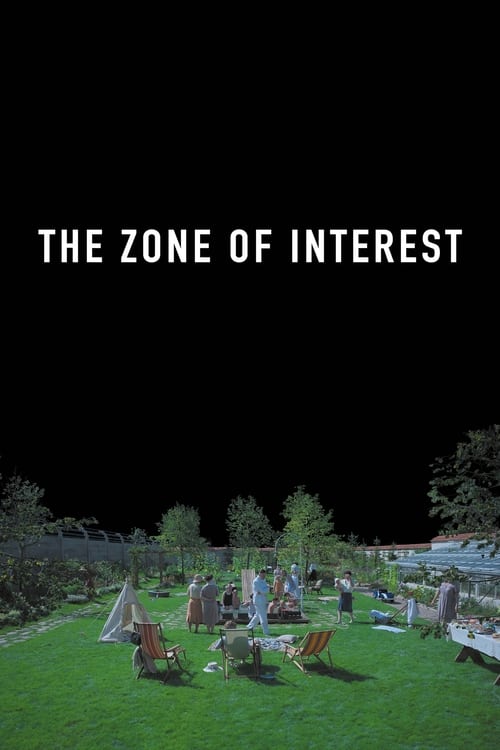
1. The Zone of Interest (2023)
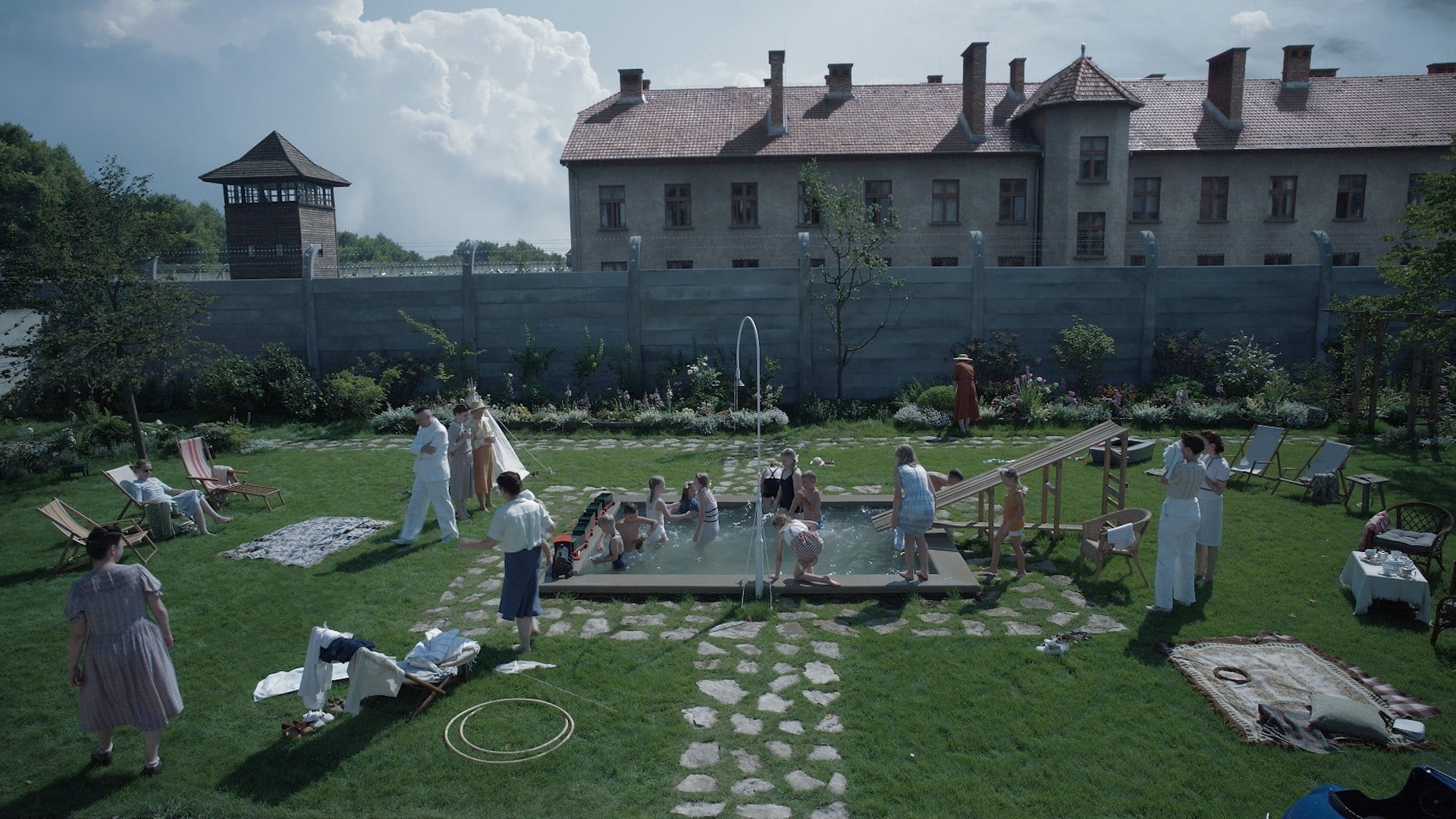
Jonathan Glazer ends his Holocaust film not with archive footage or dramatic recreation but with something far more unsettling: present-day workers methodically cleaning the Auschwitz memorial. Mopping floors. Wiping glass. The cut from Rudolf Höss’s mundane domestic life to the mundane maintenance of institutional memory is a gut punch. The horror isn’t in what happened. It’s in the routine of how we preserve it. That final shot implicates the audience directly. You’re watching people tidy up genocide so visitors can walk through comfortably, and you realize you’ve been one of those visitors.
2. The Brutalist (2024)
Brady Corbet’s three-and-a-half-hour epic about an architect rebuilding his life in America closes on a devastating note. After everything László Tóth endures, after the compromises and the cruelty and the impossible ambition, the final image sits with the question of whether creation can ever be separated from the suffering that produced it. Adrien Brody’s face in that last shot contains exhaustion, defiance, and something unresolvable. You feel every minute of those three hours landing at once.
3. Perfect Blue (1998)
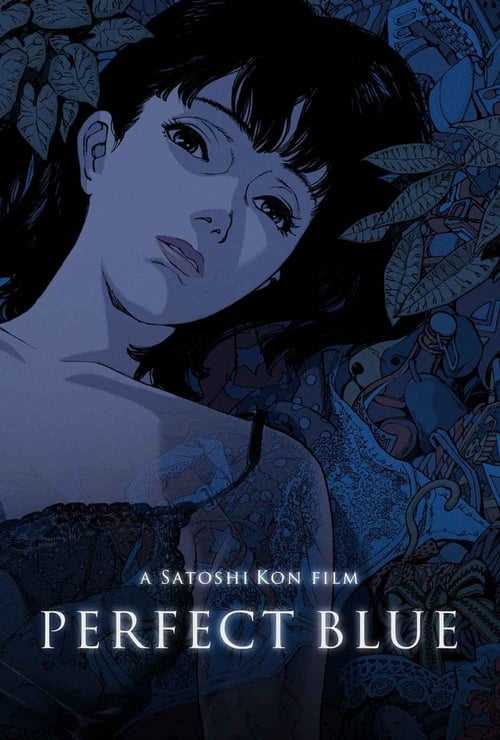
Satoshi Kon’s psychological thriller about identity and performance ends with Mima looking into a car mirror and saying, “I’m the real thing.” After 80 minutes of fracturing reality, that line paired with her reflection should be comforting. It isn’t. The smile is just slightly wrong. You leave the movie questioning whether the “real” Mima survived at all, or whether the performance consumed her completely.
4. Whisper of the Heart (1995)
Studio Ghibli doesn’t always get credit for restraint, but Yoshifumi Kondo’s coming-of-age gem ends with one of the most beautifully simple final shots in animation. Shizuku and Seiji look out over their town at dawn, and he blurts out a proposal. She laughs. The camera pulls back to show the whole city waking up below them. It’s not grand or dramatic. It’s just two young people at the start of everything, and somehow that’s enough to wreck you.
5. Conclave (2024)
Edward Berger’s Vatican thriller builds to a revelation that recontextualizes the entire film. The final shot lands like a held breath. Ralph Fiennes stares, and the camera holds on his face just long enough for the full weight of what he’s learned to register. It’s a perfect example of an ending that doesn’t explain itself. It just shows you a man reckoning with something he can’t unsee, and then it cuts to black.
Endings That Rewrite the Whole Movie
6. Neon Genesis Evangelion: The End of Evangelion (1997)
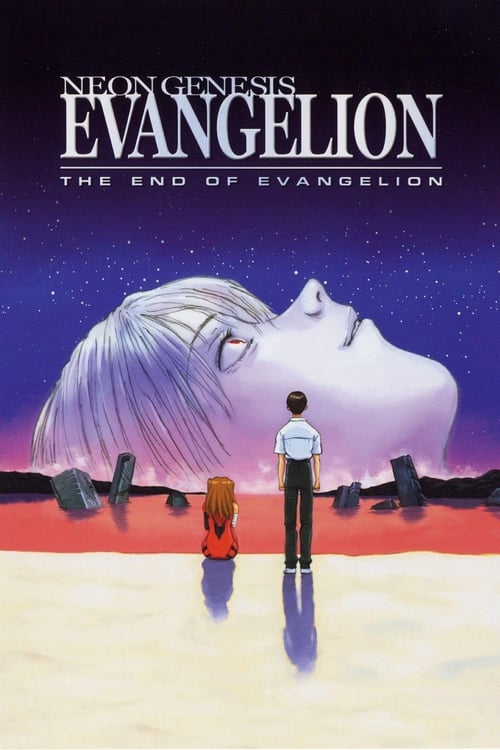
After the apocalypse, after the collapse of human consciousness into a single entity, Shinji and Asuka lie on a beach of red water. Shinji reaches for her throat. She touches his face. “How disgusting,” she says. That’s it. That’s the ending. It’s one of the most debated final shots in animation history, and nearly three decades later, nobody fully agrees on what it means. That’s exactly the point. The ending refuses closure, and it’s unforgettable because of it.
7. Akira (1988)
Katsuhiro Otomo’s cyberpunk landmark ends with a Big Bang. After Tetsuo’s terrifying transformation and the unleashing of cosmic power, a voice says “I am Tetsuo” as a new universe blinks into existence. The final frame is light, pure and overwhelming. For a film built on destruction and mutation, ending on creation is a bold choice. That single point of light contains everything the movie has been building toward.
8. You Were Never Really Here (2017)
Lynne Ramsay’s brutal, elliptical thriller ends with Joaquin Phoenix’s traumatized hitman sitting across from a young girl in a diner. He puts his head on the table. The moment stretches. Then he sits up. They leave. After 89 minutes of violence compressed into jump cuts, Ramsay gives you stillness and an empty booth. The absence hits harder than any of the carnage that preceded it, because Phoenix’s character has been a kind of absence the whole film. A man barely occupying his own life.
9. The Piano Teacher (2001)
Michael Haneke is a filmmaker who understands that the most uncomfortable place to end a film is in the middle of something. Isabelle Huppert’s Erika, having committed an act of self-harm, simply walks out of the concert hall and into the street. The camera watches her leave. No music. No resolution. Just a woman walking away from the wreckage of her own psyche. Haneke doesn’t tell you what happens next because that’s not the point. The wound is the point.
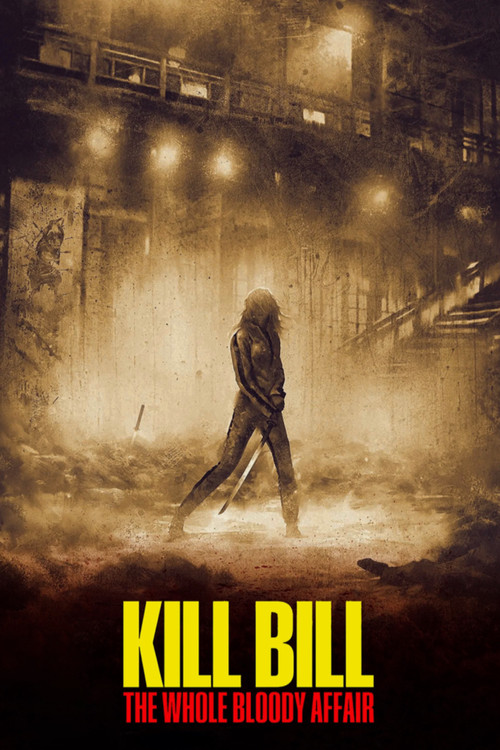
10. Kill Bill: The Whole Bloody Affair
Tarantino’s revenge epic, taken as one complete film, ends with The Bride on a bathroom floor, laughing and crying simultaneously. After four hours of carnage, swordplay, and buried-alive sequences, the final shot is a woman holding her daughter and falling apart. Uma Thurman plays it raw and messy, and it works because Tarantino earns that emotion through everything that came before. The violence was the journey. This is the destination.
Where Genre Bends the Rules
11. Evil Dead II (1987)
Not every great final shot is quiet. Sam Raimi’s horror-comedy catapults Ash Williams through a time portal and drops him in medieval England, surrounded by knights and a Deadite. The medieval fighters hail him as a prophesied hero. Bruce Campbell’s response? He screams. Not in triumph. In pure dismay. Freeze frame. Credits. It’s the rare final shot that simultaneously closes one genre and rips open another, launching you from cabin-in-the-woods horror into sword-and-sorcery adventure in a single cut. Pure Raimi.
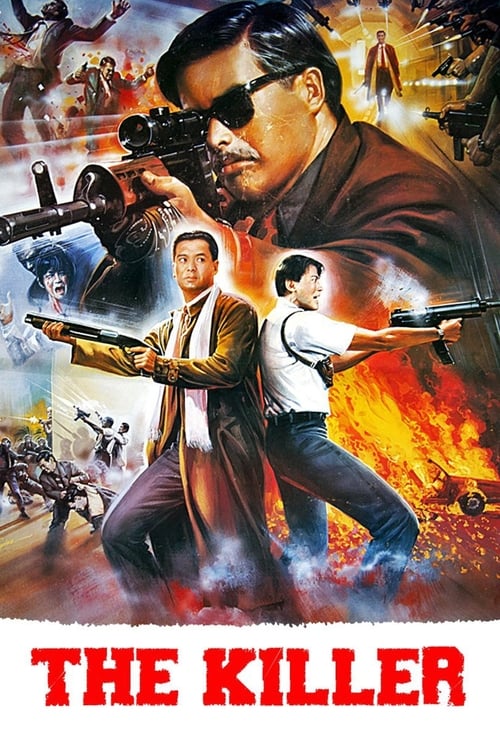
12. The Killer (1989)
John Woo’s operatic action film ends in a church full of bullet holes and candlelight. After the shootout that costs nearly everyone their lives, the final image lingers on the aftermath: doves, smoke, and destruction in a sacred space. Woo turned violence into visual poetry across the entire film, but that last shot, the ruined church, makes the cost real. Beauty and brutality in the same frame. That’s Woo’s entire filmography distilled into one image.
13. Last Night in Soho (2021)
Edgar Wright’s time-slip horror ends with Eloise seeing the ghosts of Soho’s past one final time, but now she’s at peace with them. The reflection in the mirror shows both her and Sandie, coexisting. It’s not the most subtle final image Wright could have chosen, but it works because the whole film has been about mirrors, reflections, and the gap between who we want to be and who we are. Thomasin McKenzie sells the moment completely.
14. Dirty Dancing (1987)
Look, I know. But hear me out. The final shot of Dirty Dancing isn’t just Baby and Johnny’s big lift. It’s the wide shot that follows: the entire resort dancing together, the class divisions temporarily dissolved, Jerry Orbach’s Dr. Houseman conceding defeat. The camera pulls back to take in the whole room, and for a moment every barrier the film set up has crumbled. It’s pure wish fulfillment, and the final frame earns it by going wide enough to let you see what joy actually looks like when it fills a room.
Small Films, Enormous Exits
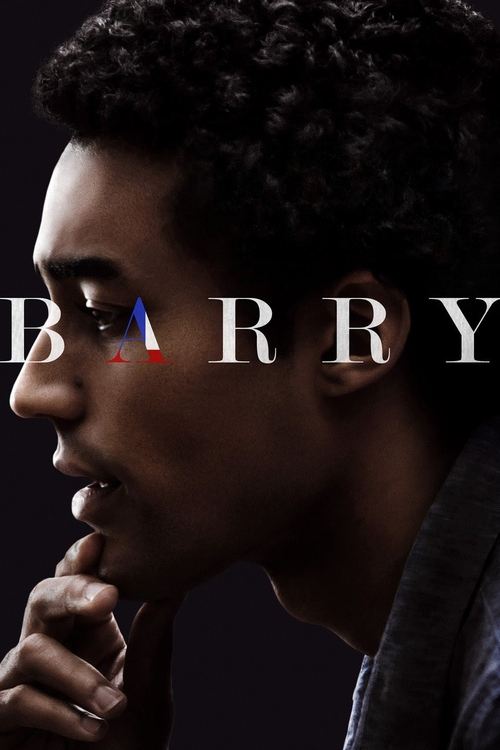
15. Barry (2016)
Vikram Gandhi’s understated drama about a young Barack Obama at Columbia University ends simply: Barry walks across campus, alone, heading somewhere we can’t see. It’s a final shot that works because of what we know comes next. The movie doesn’t need to tell you. That walk carries the weight of history that hasn’t happened yet, and the restraint of not showing any of it is the smartest choice the film makes. Most biopics end with title cards. This one just lets a young man disappear into his future.
16. In the Blink of an Eye (2026)
Andrew Stanton’s triptych drama weaves three timelines spanning thousands of years, and the final shot collapses them into a single image of cyclical continuity. The film jumps between eras for most of its runtime, and the ending lands on something elemental and still. Whether the rest of the film fully earns that landing is a fair debate (the Metacritic score of 37 suggests many critics thought it didn’t), but the closing image itself is hard to shake. Even in a film that doesn’t entirely work, a great final frame can justify the whole experiment.
17. The Wizard of the Kremlin (2026)
Olivier Assayas closes his political thriller with Paul Dano’s spin doctor stripped of the power he spent two and a half hours accumulating. After a film built on manipulation and spectacle, Assayas ends on a face drained of performance. The silence in that final stretch becomes almost unbearable. Critical reception was split on the film (43% on Rotten Tomatoes), but even skeptics tended to concede that the ending lands with real force. That last image of Dano, hollowed out and still, sticks with you.
18. Hokum (2026)
Damian McCarthy’s haunted-inn horror builds slow dread before its final shot confirms every suspicion you’ve been nursing since the opening scene. Adam Scott’s novelist has been pulled deeper into the inn’s history than he ever wanted, and McCarthy holds that closing image just long enough for you to realize the trap has been shut the whole time. It’s the kind of ending that makes you want to immediately rewatch the first ten minutes.
The Animated Goodbye
Animation has always understood the power of a precisely composed final frame. When you control every pixel, the last one matters even more. We’ve already covered Perfect Blue, Whisper of the Heart, Akira, and The End of Evangelion, and that’s four entries on a list of 25. Not a coincidence. The medium’s ability to calibrate every color, every line, every shadow in a closing frame gives animated films a precision that live-action has to fight much harder to achieve.
But animation’s presence here also speaks to something else. Animated films are less beholden to convention. They don’t need to end on a face or a location. They can end on an abstraction, a point of light, a mirror reflection that shouldn’t be possible. That freedom produces some of the most daring final shots in all of cinema.
What the Documentary Lens Captures Last
19. The Thing Expanded (2026)
Ian Nathan’s deep-dive documentary on John Carpenter’s The Thing makes a smart structural choice in its closing moments: after all the analysis and behind-the-scenes stories, it steps back and lets the source material have the last word. For fans who’ve seen The Thing dozens of times, that return to Carpenter’s imagery hits differently after everything the documentary has unpacked. It’s a final shot that respects its subject enough to get out of the way.
20. Underland (2026)
Rob Petit’s documentary based on Robert Macfarlane’s book takes you deep underground and then, in its final shot, brings you back to the surface. After an extended journey through darkness, caverns, and the weight of geological time, that return to daylight carries an emotional charge the film has been carefully building. Sandra Hüller’s narration falls away, and the image alone does the work. It’s a closing frame that earns its simplicity.
21. Natchez (2026)
Suzannah Herbert’s sharp-eyed documentary about a Mississippi town wrestling with its antebellum past closes on the town itself: the architecture, the streets, the unresolved tension between tourism and truth. After all the interviews and observations, the final shot doesn’t offer resolution. It just shows you a place that’s still figuring itself out. That honesty is more powerful than any tidy conclusion would have been.
The Ones That Surprised Me
22. Skin of Glass (2026)
Denise Zmekhol’s documentary about her late father’s architectural work in São Paulo ends on the building itself, stripped of narration and context. Just glass, light, and structure. After a deeply personal film about displacement and loss, letting the architecture exist without commentary is a striking final choice. The building outlasts the man who designed it, and the last frame makes you feel that permanence and that absence at the same time.
23. Mother Mary (2026)
David Lowery’s film about a pop star’s comeback closes on Anne Hathaway’s face in a way that recalls the best Lowery endings: quiet, slightly ambiguous, loaded with everything the character can’t say out loud. The film received mixed reviews (60 on Metacritic), and the criticism that it doesn’t entirely earn its big emotional beats is fair. But that final shot? Lowery strips away the stage and the costume and just holds on a human face. Even when the movie around it wobbles, that last frame is pure craftsmanship.
24. The Moment (2026)
Aidan Zamiri’s film about a pop sensation navigating fame closes not on the arena performance but on a surprisingly intimate beat. After a film about transformation and the machinery of celebrity, the final image pulls you back to something personal and unresolved. The spectacle is over. What’s left is just a person, and the gap between who they were and who they’ve become.
25. The Singers (2026)
Sam A. Davis’s 18-minute short film about an impromptu singing contest at a dive bar ends with the kind of grace note that features three times its length can’t always manage. After a brief, soul-baring evening of shared harmony, the final shot lingers on the empty bar. The singers are gone. The music is gone. What’s left is the space where connection happened, and the silence that follows it. You don’t need a three-hour runtime to earn a devastating final frame. Sometimes 18 minutes and one good room is enough.
This list could easily be twice as long. The best final shots in cinema are the ones that make you sit through the credits in silence, replaying what you just saw. They don’t need dialogue, orchestral swells, or post-credit stingers. They just need to be the right image at the right moment.
What connects all 25 of these films is trust. Trust in the audience to sit with an image, to feel its weight without being told what to feel. Whether it’s Glazer’s cleaning workers at Auschwitz, Kon’s wrong smile in a car mirror, or the empty booth in a Lynne Ramsay diner, these endings believe that showing is always more powerful than telling.
If you’re looking for more films that understand visual storytelling at this level, browse our drama collection or explore animation for some of the most daring final frames in the medium. The ending is everything. These 25 movies prove it.
Discover Your Next Favorite Film
Browse our curated collection of movie trailers and find something new to watch tonight.
Browse Trailers