Best DreamWorks Animation Movies, Ranked
Films.io Editorial
5 min read
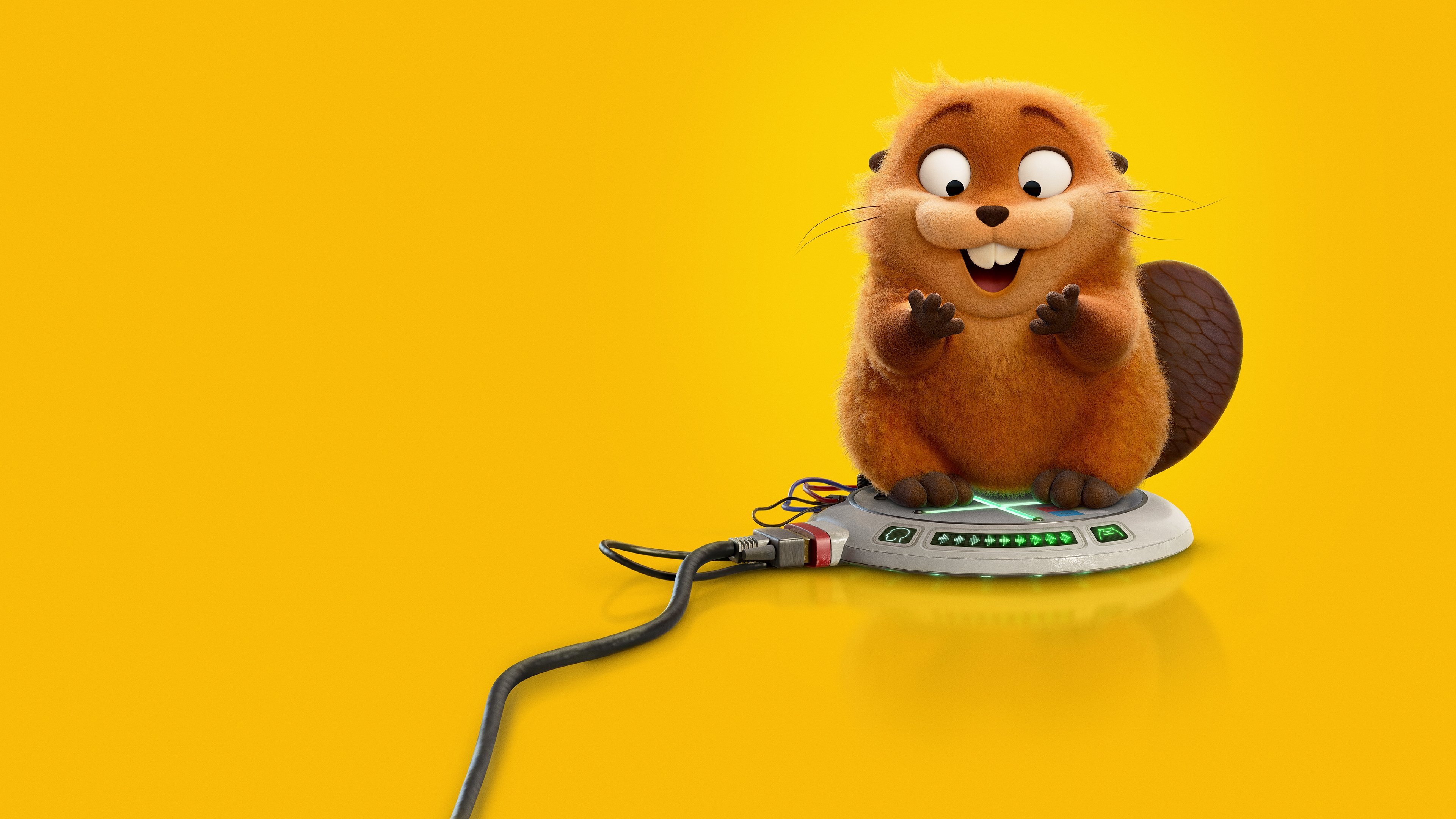
DreamWorks Animation doesn’t get enough credit. While Pixar dominates the conversation about “animation for adults too,” DreamWorks has been quietly building one of the most impressive catalogs in the business for nearly three decades. From the studio that gave us Shrek, Kung Fu Panda, and How to Train Your Dragon, the best DreamWorks movies prove this isn’t Pixar’s scrappy little rival. It’s a studio with its own identity: brasher, funnier, and often willing to take bigger creative swings than anyone else in the game.
What I love about DreamWorks at its best is the attitude. These aren’t movies that talk down to kids. They’ve got genuine edge, real emotional weight, and a willingness to let the villain actually be terrifying. Puss in Boots: The Last Wish literally made Death the antagonist, and it worked. And this year’s Hoppers, with its clever sci-fi premise and 94% on Rotten Tomatoes, proved the studio can still innovate with original stories. Not every film in their library is a winner, but when they nail it, they really nail it. Here’s how their best stack up, from the 1998 early days through 2026.
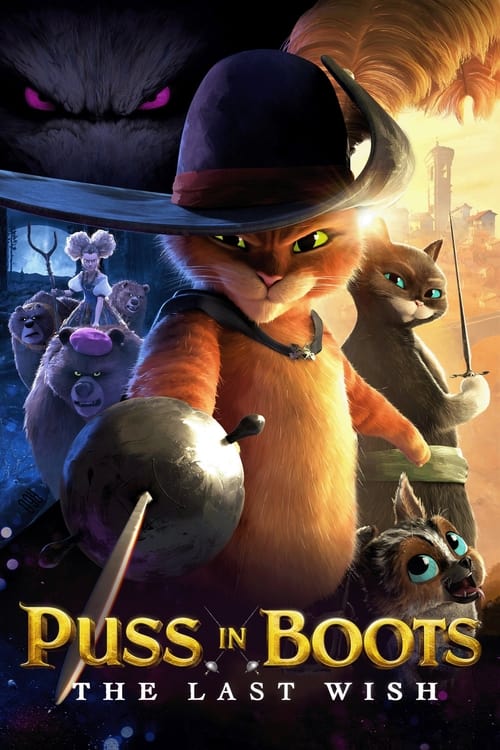
1. Puss in Boots: The Last Wish (2022)
This is DreamWorks’ best film. Full stop. The animation style alone, that painterly, Spider-Verse-influenced look, would be enough to earn a spot on this list. But what makes it special is how genuinely terrifying the Wolf is as a villain and how the film treats mortality with real seriousness. Puss realizing he’s wasted his lives is played for laughs and then for devastating emotional truth. That scene where the Wolf first appears and the animation style shifts? Your stomach drops. Antonio Banderas hasn’t been this good in years, and the fact that this is a spin-off sequel to a Shrek spin-off makes the whole thing even more improbable.
2. How to Train Your Dragon (2010)
DreamWorks’ emotional high point. The relationship between Hiccup and Toothless works because the film earns every beat of it. That first flight sequence, with John Powell’s soaring score underneath, is one of the great moments in animated cinema. Director Dean DeBlois and Chris Sanders built a world that felt lived-in and dangerous, where Vikings weren’t cartoon buffoons but people with genuine stakes. The ending, where Hiccup loses his leg, was a bold choice for a kids’ movie, and it gave the whole thing a weight that most animated films wouldn’t dare.
3. Shrek 2 (2004)
The rare sequel that’s better than the original. Shrek 2 took everything that worked about the first film, the fairy tale satire, the unlikely romance, Eddie Murphy’s Donkey, and cranked it up. The addition of Puss in Boots (Banderas, in the role that eventually led to our #1 pick) was inspired, and the “I Need a Hero” sequence during the climax is absurdly satisfying. The film’s version of Hollywood as Far Far Away is sharper and funnier than the original’s Duloc. It made over $900 million worldwide for a reason.
4. Kung Fu Panda (2008)
Nobody expected this to be good. A Jack Black comedy about a fat panda doing martial arts sounded like a punchline, not a movie. But the Furious Five, Dustin Hoffman’s Shifu, and Ian McShane’s Tai Lung gave the film dramatic heft that caught everyone off guard. The fight choreography is genuinely excellent. The Tai Lung prison escape sequence is as well-staged as any live-action action scene from that year. And Po’s journey from fanboy to Dragon Warrior is told with real sincerity. DreamWorks proved it could do heart without irony.
5. The Prince of Egypt (1998)
DreamWorks’ second film ever, and still one of its most ambitious. The parting of the Red Sea remains one of the most visually spectacular sequences in animation history. Val Kilmer and Ralph Fiennes as Moses and Rameses gave the biblical story genuine dramatic tension, and the film never condescends to its audience, child or adult. The soundtrack, particularly “When You Believe,” earned its Oscar. This was DreamWorks announcing itself as a serious player, and it still holds up beautifully.
6. Kung Fu Panda 2 (2011)
The darkest entry in the Kung Fu Panda franchise, and the best sequel. Gary Oldman’s Lord Shen is a genuinely tragic villain, a peacock who committed genocide and can’t outrun his own prophecy. The film’s exploration of Po’s origins, finding out his dad isn’t his biological father and that his village was destroyed, is handled with surprising grace. Jennifer Yuh Nelson’s direction gives the action sequences a fluidity that tops even the original. The cannon battle on the river is the franchise’s peak action set piece.
7. Shrek (2001)
The one that started it all. Shrek was a grenade thrown at Disney’s fairy tale monopoly, and the explosion was glorious. Mike Myers and Eddie Murphy’s chemistry as Shrek and Donkey still holds up, and the film’s subversion of princess tropes felt genuinely fresh in 2001. It hasn’t aged perfectly; some of the pop culture references are very early-2000s. But the core story of an ogre learning to let people in? That’s timeless. And the “All Star” opening sequence is permanently burned into the brains of an entire generation.
8. How to Train Your Dragon 2 (2014)
Dean DeBlois went darker and more ambitious with the sequel, and it mostly works. The reunion between Hiccup and his long-lost mother Valka is beautifully handled, and Cate Blanchett’s voice work gives the character real depth. The stakes escalate dramatically when Drago Bludvist takes control of Toothless and the consequences are permanent. It doesn’t quite hit the emotional purity of the first film, but the scope is enormous and the flight sequences somehow got even better.
9. Hoppers (2026)
DreamWorks’ best original film in years. The concept of “hopping” human consciousness into robotic animals to communicate with wildlife is clever and genuinely original. Piper Curda leads the voice cast with warmth, and Jon Hamm is clearly having a ball as the antagonist. What makes Hoppers work is that it takes its sci-fi premise seriously enough to build real stakes around it, then uses those stakes to say something honest about empathy and our relationship with the natural world. With a 94% on Rotten Tomatoes, this is proof DreamWorks can still innovate when they commit to original stories.

10. Spirit: Stallion of the Cimarron (2002)
The most underrated film in DreamWorks’ catalog. Spirit told its story almost entirely without dialogue from its main character, a wild mustang who refuses to be broken. Matt Damon narrates, but the horse never talks, which was a genuinely risky decision for a kids’ movie. Bryan Adams’ soundtrack is admittedly very early-2000s, but the hand-drawn animation of the American frontier is gorgeous, and the film’s themes of freedom and resistance have only gotten more resonant with time.
11. Megamind (2010)
A superhero movie from the villain’s perspective, years before that concept became trendy. Will Ferrell’s Megamind is hilarious, but the film is smarter than its marketing suggested. The idea that a villain who wins discovers he needs a hero to define himself against is a surprisingly sharp observation about identity. Tina Fey’s Roxanne Ritchi gets to be the smartest person in the room, which is refreshing. It underperformed at the box office against Despicable Me, but honestly, it’s the better film.
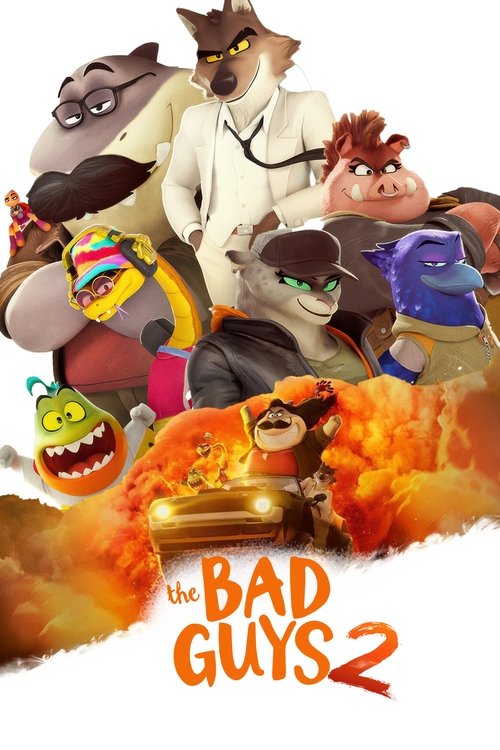
12. The Bad Guys 2 (2025)
The original Bad Guys was a pleasant surprise. The sequel is a full-on upgrade. The globe-trotting heist structure gives the film a sense of scale the first one lacked, and Sam Rockwell’s Mr. Wolf continues to be one of the best-voiced characters in recent animation. The comedy hits harder, the action sequences are more ambitious, and DreamWorks’ willingness to let these characters wrestle with whether they’re actually reformed, or just performing goodness, gives the whole thing unexpected depth. The Bad Guys 2 earned its 88% on Rotten Tomatoes.
13. Wallace & Gromit: The Curse of the Were-Rabbit (2005)
Aardman and DreamWorks’ partnership produced one of the funniest animated films ever made. Nick Park’s claymation is endlessly charming, and the film’s gentle British humor about vegetable competitions and were-rabbits is unlike anything else in the DreamWorks catalog. Ralph Fiennes is deliciously pompous as Victor Quartermaine, and the film’s love for classic horror tropes gives it a personality entirely its own. It won the Oscar for Best Animated Feature, and deservedly so.
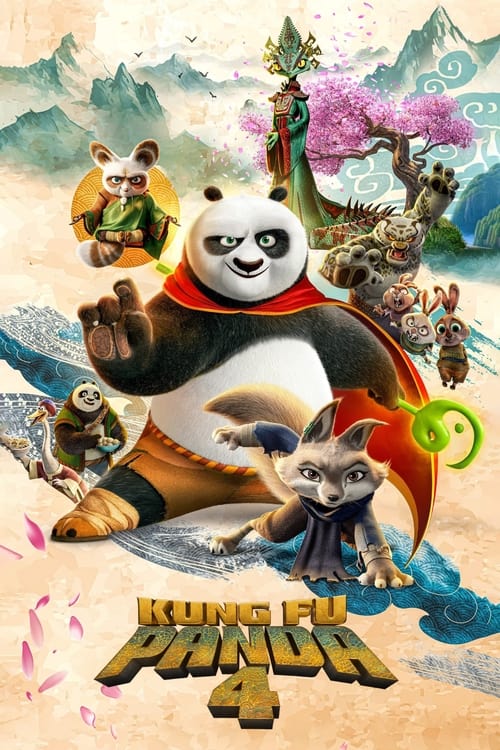
14. Kung Fu Panda 4 (2024)
Look, this isn’t as strong as the first two Kung Fu Panda films. The magic of Po discovering kung fu for the first time can’t be recaptured. But Jack Black’s enthusiasm is infectious no matter how many sequels deep we go, and Awkwafina as the fox thief Zhen brings real energy to the buddy dynamic. Viola Davis makes for a solid villain, even if she’s not on Ian McShane or Gary Oldman’s level. The action choreography is still best-in-class for animated films, even if the story feels like Kung Fu Panda 4 is running on the franchise’s fumes.
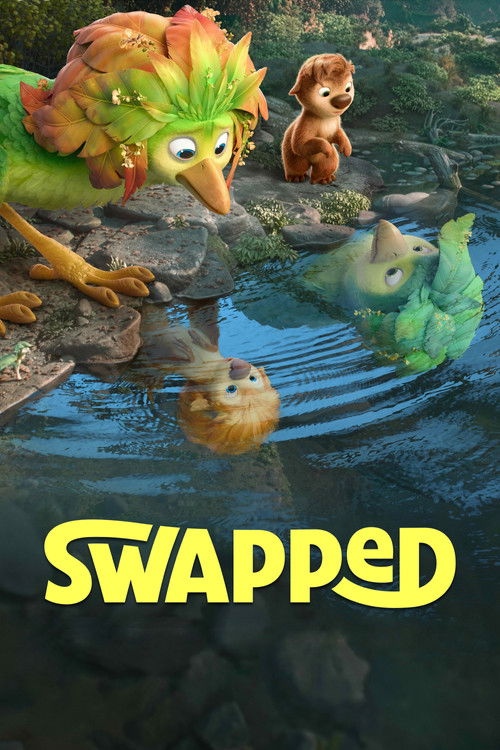
15. Swapped (2026)
DreamWorks’ body-swap comedy about a tiny woodland creature and a majestic bird trading places is a blast. Michael B. Jordan and Juno Temple have terrific vocal chemistry, and the film uses its premise to explore some genuinely funny fish-out-of-water (or bird-out-of-sky) comedy. Tracy Morgan steals every scene he’s in. Swapped doesn’t reinvent the wheel, and the Metacritic score of 56 suggests critics were split, but audiences have embraced it. It’s a great time at the movies, and sometimes that’s enough.
DreamWorks’ Secret Weapon: Villains That Actually Scare You
Here’s my potentially controversial take: DreamWorks’ best villains are scarier and more interesting than Pixar’s. Death himself hunting Puss in Boots? That Wolf whistling as he stalks our hero? Tai Lung breaking out of prison with nothing but a feather? Lord Shen committing actual genocide? Pixar tends to make their villains secret twists or internal struggles. DreamWorks lets them be genuinely menacing, and the films are better for it.
This extends to the studio’s visual ambition, too. Puss in Boots: The Last Wish completely overhauled its visual approach mid-franchise, and Hoppers pushed the technology behind animal movement in new directions. Spirit used hand-drawn animation when everyone else was going digital. When DreamWorks commits to a visual identity, they go all in.
The Sequel Treadmill
The flip side is that DreamWorks leans heavily on franchises. Kung Fu Panda 4 is fine, but it’s clearly the product of a series that’s been mined pretty thoroughly. Not every story needs a fourth chapter. Shrek got worse with each sequel after the second, and the Madagascar franchise never found the emotional core the studio’s best work demands.
DreamWorks is at its strongest when it takes chances on original properties like Hoppers, Spirit, or Megamind, films that don’t come with built-in audiences but earn them through quality. The tension between the franchise machine and the original storytelling instinct has defined the studio’s entire history.
If you’re looking for more animated films to watch, DreamWorks’ catalog rewards exploration beyond the Shrek and Kung Fu Panda franchises. The studio’s range, from existential cat movies to claymation British comedies to wild-horse westerns, is wider than people give it credit for. And with films like Hoppers and The Bad Guys 2 proving they can still surprise us, the studio’s best years might not be behind it.
Discover Your Next Favorite Film
Browse our curated collection of movie trailers and find something new to watch tonight.
Browse Trailers