Looking Back at 2010 in Cinema
Films.io Editorial
5 min read
Sixteen years. That’s how long it’s been since 2010, and the films from that year still dominate “best of” conversations like they came out yesterday. The best movies of 2010 didn’t just entertain, they rewired how we think about blockbusters, animation, social media, and psychological horror. It was one of those rare years where the mainstream and the artistic converged, where the biggest hits were also the smartest films in the room. Looking back at 2010 in film, what’s remarkable isn’t just the quality. It’s how many of these movies predicted exactly where culture was heading.
The Dream Architect
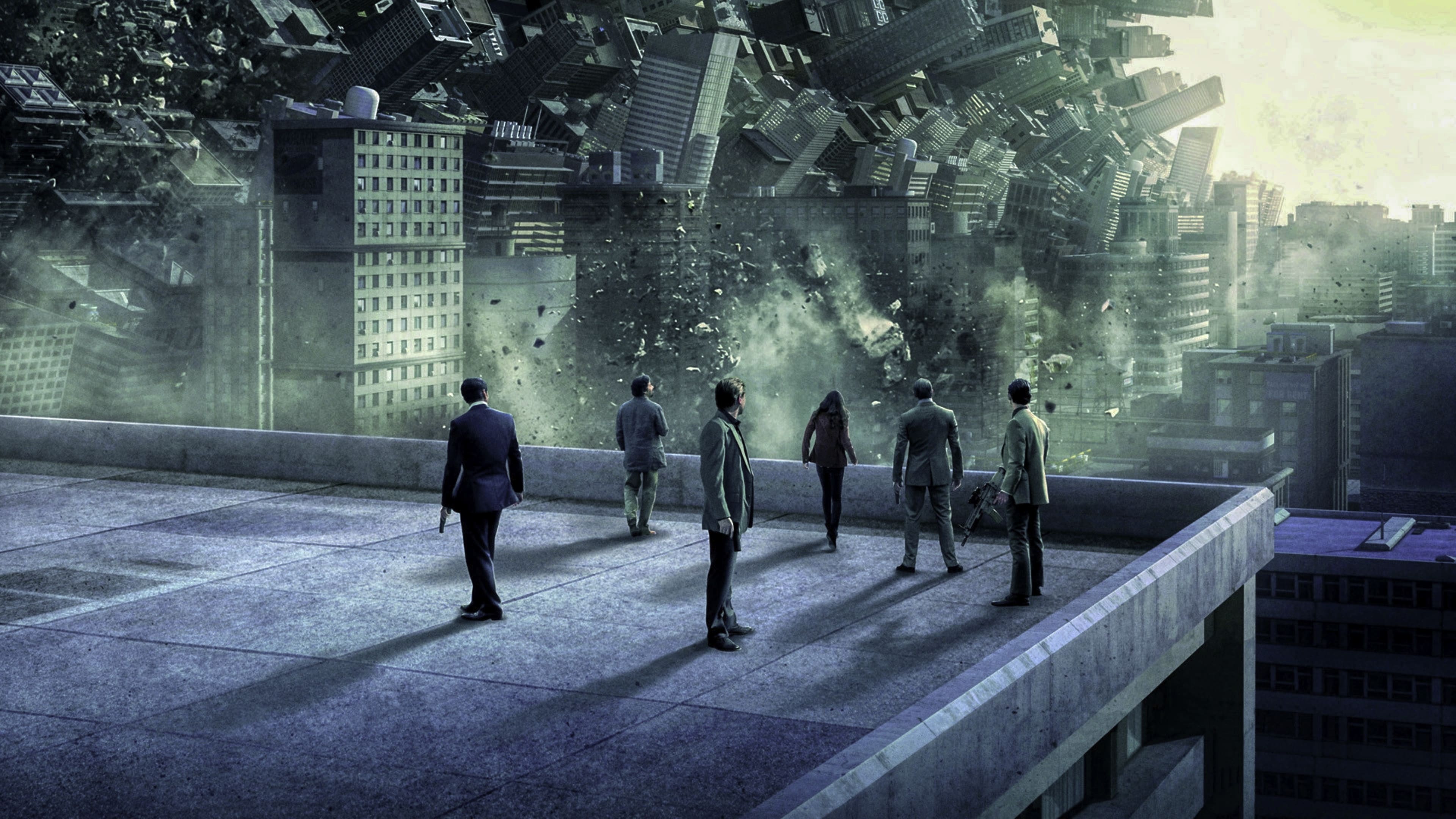
You can’t talk about 2010 without starting with Inception. Christopher Nolan had already proven he could make smart blockbusters with The Dark Knight, but Inception was something else entirely. An original screenplay about dream heists, layered realities, and corporate espionage, all released in a summer dominated by sequels and adaptations. The fact that Warner Bros. gave Nolan $160 million to make an original sci-fi film feels almost impossible by today’s standards.
And he delivered. The rotating hallway fight remains one of the most inventive action sequences ever committed to film. Joseph Gordon-Levitt floating through that corridor, fighting goons while gravity shifts around him, was practical filmwork that made CGI-heavy competitors look lazy. But what really stuck was the ending. That spinning top, wobbling just slightly before the cut to black, launched a thousand Reddit threads and barroom arguments. Does it fall? Does it matter? Nolan’s point was always that Cobb chose not to look, chose his kids over certainty. That’s the real trick of the film: it makes you care about the answer to a question that’s beside the point.
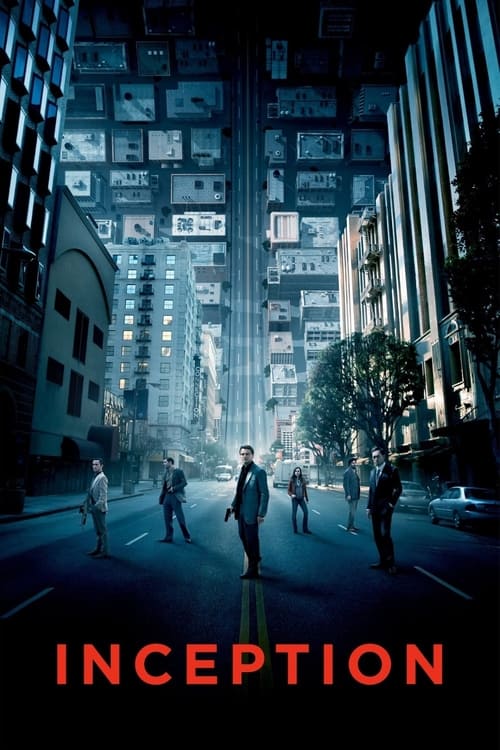
Nolan would go on to explore similar themes of time and perception in Interstellar and Oppenheimer, but Inception has a tightness those films sometimes lack. It’s a heist movie wearing a sci-fi skin, and every piece of the puzzle clicks into place. If you’re a fan of mind-bending sci-fi films, this is still the gold standard.
Mark Zuckerberg Didn’t Like It (Which Means Fincher Got It Right)
The Social Network shouldn’t have worked. A movie about the founding of Facebook? Directed by David Fincher, the guy behind Se7en and Fight Club? Written by Aaron Sorkin, who’d spent years making politicians sound impossibly articulate on television? On paper, it sounded like a mismatch. On screen, it was electric.
Jesse Eisenberg’s Mark Zuckerberg is one of the great movie characters of the 21st century, not because he’s likable, but because he’s so precisely, infuriatingly specific. That opening scene in the bar with Rooney Mara’s Erica sets the tone for everything: Zuckerberg talks faster than anyone can follow, insults people without realizing it, and can’t understand why someone would walk away from him. Sorkin’s script moves at the speed of a thriller, and Fincher shoots it like one too, all dark rooms and cold light.
What’s eerie rewatching it now is how prophetic the film was. The Social Network treated Facebook’s rise as a cautionary tale about ambition and loneliness years before anyone was talking about misinformation, data privacy, or social media’s effect on democracy. The film saw it coming. Trent Reznor and Atticus Ross’s score, that icy electronic hum, basically predicted the sound of anxiety for the next decade.
Natalie Portman Lost Her Mind (and Won Everything)
Black Swan divided people in 2010 and it still does. Darren Aronofsky’s psychological horror film about a ballerina losing her grip on reality is either a masterpiece of body horror or an overheated melodrama, depending on who you ask. I land firmly on the masterpiece side.
Natalie Portman is astonishing in this film. Not “good for an actress doing her own dancing” astonishing, genuinely, physically terrifying. The scene where she peels skin from her finger? The cracking toes? Aronofsky weaponizes the violence ballet does to the body and turns it into straight-up horror. Nina Sayers is a character trapped between perfection and destruction, and Portman plays both sides with an intensity that earned her the Oscar.
What Aronofsky understood is that the horror genre and the backstage drama share DNA. The pressure, the obsession, the way the body becomes a battleground. Black Swan lives in that overlap, and if you’re drawn to psychological thrillers that leave you slightly nauseous, this remains essential viewing.
Pixar Made Adults Cry (Again)
Toy Story 3 had no right to be as devastating as it was. The original Toy Story changed animation forever. The sequel was somehow better. By the time the third installment arrived, expectations were so high that anything less than perfect would have felt like a letdown.
Pixar cleared that bar by a mile. The incinerator scene, where the toys hold hands and accept what looks like the end, is the single most emotionally brutal moment in any animated film ever made. Full stop. An entire generation of kids who grew up with Woody and Buzz were now heading to college, and the film knew it. Andy handing his toys to Bonnie wasn’t just a plot beat. It was a generational goodbye.
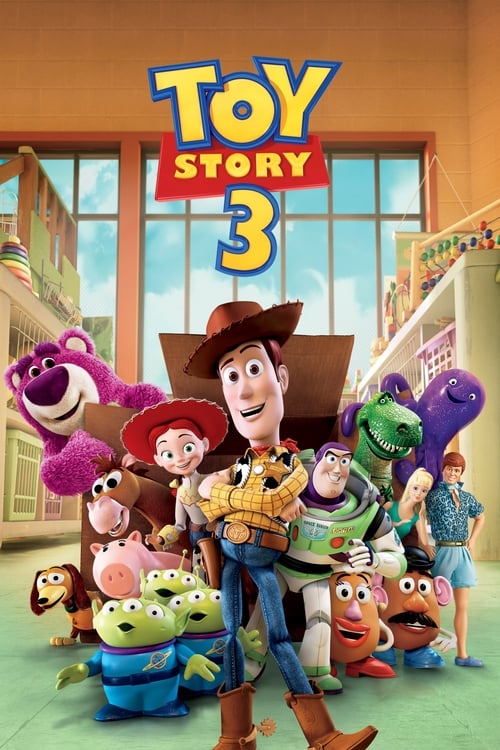
The film also works as a genuinely tense prison break movie. The daycare sequences are funny and dark, with Lotso the bear operating as a surprisingly menacing villain. For anyone who loves great animated films, Toy Story 3 proved that a franchise’s third entry could be its most emotionally rich.
The Supporting Cast of 2010
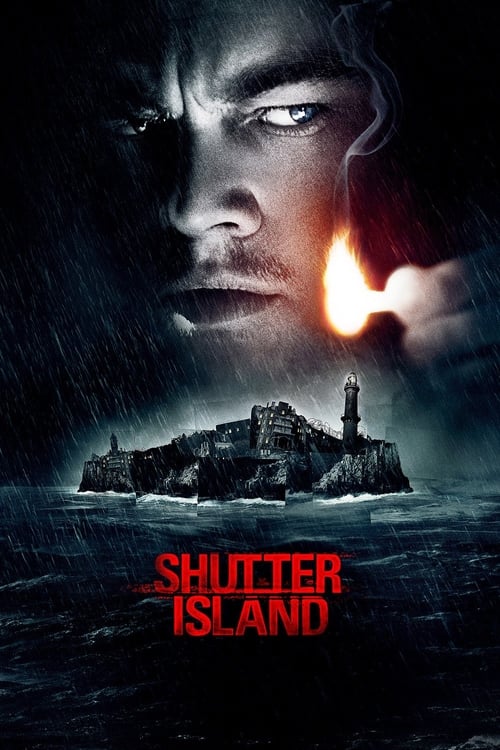
Those four films dominated the conversation, but 2010 was deep. Shutter Island saw Martin Scorsese diving into full-blown gothic horror territory with Leonardo DiCaprio, delivering a film that rewards repeat viewings once you know the twist. The King’s Speech won Best Picture that year, and while some found it safe Oscar bait, Colin Firth’s performance is genuinely moving. There’s nothing flashy about watching a man struggle to speak, and that restraint is exactly what made it land.
True Grit marked the Coen Brothers’ take on the Western, with a 14-year-old Hailee Steinfeld going toe-to-toe with Jeff Bridges and Josh Brolin. Scott Pilgrim vs. the World flopped at the box office but became a cult classic almost immediately, Edgar Wright’s maximalist visual style turning a graphic novel into something that felt like a video game come to life. And 127 Hours trapped James Franco under a boulder for most of its runtime and somehow made it gripping, though Danny Boyle had to know that the arm scene would send people running from theaters.
What 2010 Got Right
Looking at 2010 from sixteen years out, what strikes me most is the ambition. These weren’t safe films. Inception bet $160 million on an original concept. The Social Network made a villain out of the most powerful tech CEO alive. Black Swan fused art-house sensibilities with mainstream horror. Toy Story 3 risked ruining a beloved franchise by actually ending the story.
That’s the lesson of 2010, one that still resonates. The best movies don’t play it safe. They trust audiences to keep up, to feel uncomfortable, to sit with ambiguity. If you’re looking for proof that a single year can reshape cinema, 2010 is your answer. Browse our full collection for more from the directors and genres that made this year unforgettable.
Discover Your Next Favorite Film
Browse our curated collection of movie trailers and find something new to watch tonight.
Browse Trailers