15 Best Biopics That Actually Get the Subject Right
Films.io Editorial
5 min read
Most biopics lie to you. Not maliciously, but structurally. The formula is almost always the same: humble beginnings, a montage of struggle, a triumphant third act, roll credits. The real person gets sanded down into a hero’s journey template, and whatever made them complicated or difficult or genuinely interesting gets left on the cutting room floor. The best biopics, the honest biopics, resist that urge. They let their subjects be flawed, contradictory, even unlikable. They trust that the truth is more interesting than hagiography. And they’re almost always right.
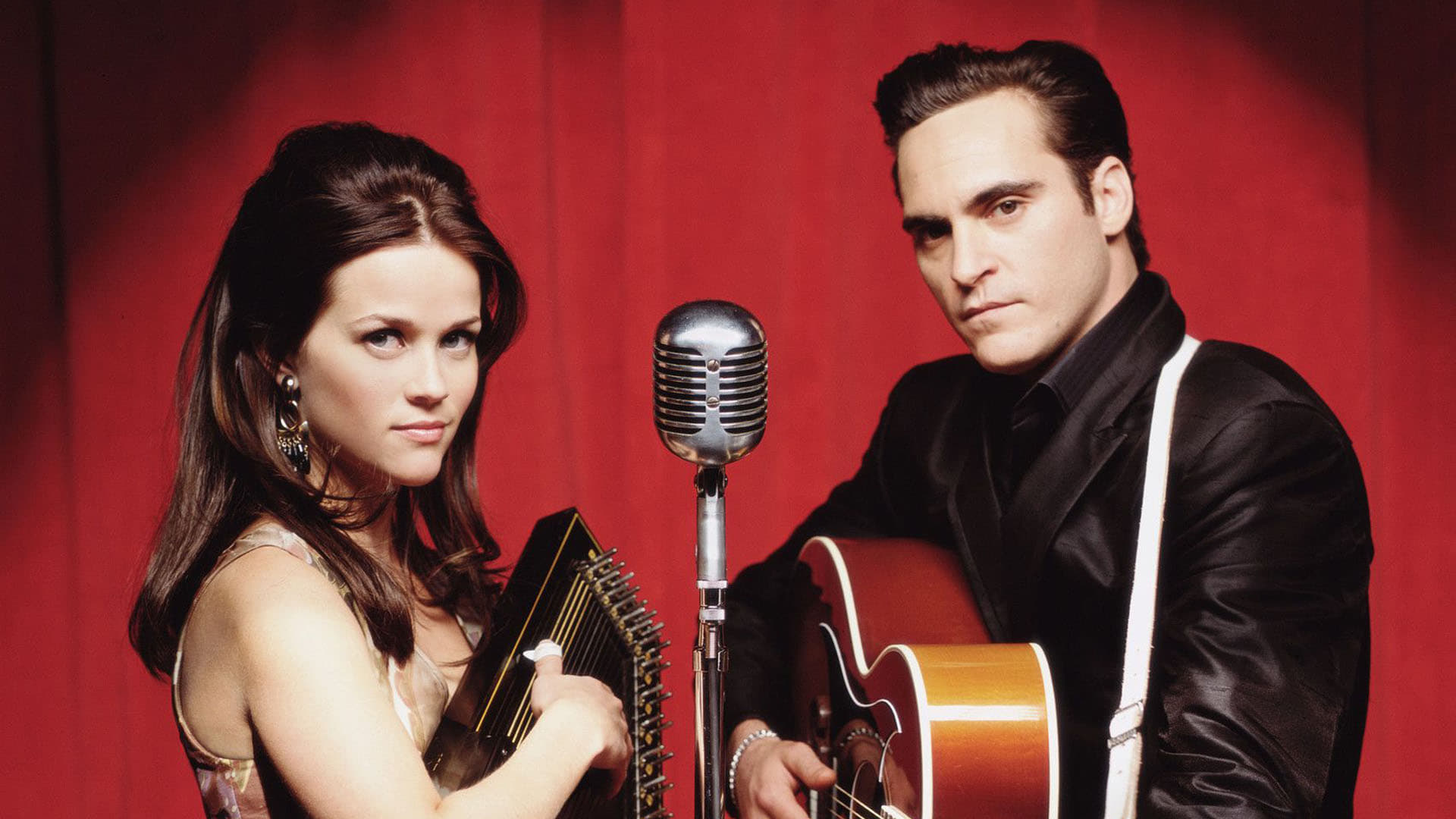
Take Walk the Line, James Mangold’s 2005 Johnny Cash biopic. It doesn’t skip past the addiction, the cruelty to his first wife, or the self-destruction that nearly ended everything. It lets Cash be a mess before he becomes a legend, and that’s exactly why it holds up two decades later. Finding biopics that actually get the subject right isn’t easy, because the genre has a built-in incentive to flatter. Estates get involved. Families have approval rights. Studios want feel-good endings. But the films on this list fought through those pressures and delivered portraits that feel genuinely human. Browse more biography films in our collection for the full range, but these are the ones that got it right.
1. Walk the Line (2005)
Joaquin Phoenix played Cash as a man at war with himself, and Reese Witherspoon’s June Carter wasn’t reduced to the “woman who saved him” cliché. She was funny, sharp, and had her own reasons for keeping her distance. Both of them did their own singing, which adds a rawness that lip-syncing never delivers. The film earns its emotional payoff because it doesn’t flinch from the ugliness that came before it. You see Cash at his worst, and that makes the redemption feel real rather than manufactured.

2. Radioactive (2020)
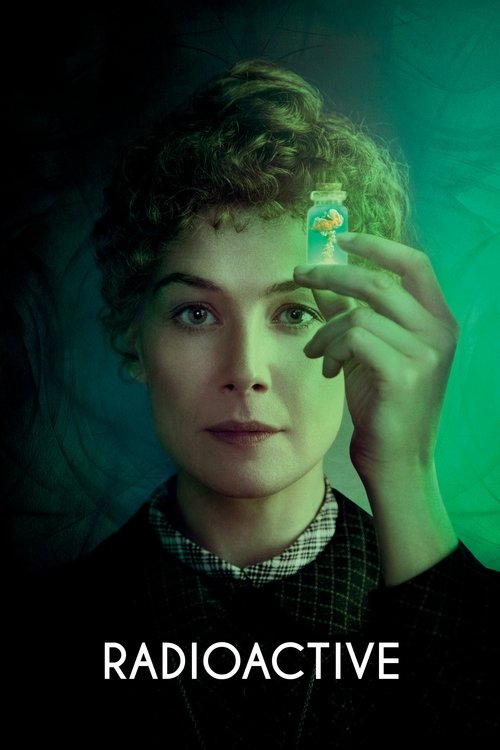
Marjane Satrapi brought the same graphic sensibility she used in Persepolis to Marie Curie’s story, and the result is a biopic that doesn’t sanitize its subject. Rosamund Pike’s Curie is prickly, obsessive, and frequently difficult to be around. The film makes the radical choice of flash-forwarding to the consequences of Curie’s discoveries, including Hiroshima and Chernobyl, which keeps it from becoming a simple “science is wonderful” narrative. It’s messy in places, but that messiness feels honest.
3. Barry (2016)
This quiet, underseen film about a young Barack Obama at Columbia University in the early 1980s does something smart: it treats its subject as an ordinary confused twenty-something, not a future president. Devon Terrell plays Obama as someone still figuring out where he fits, navigating between his Black identity and his white mother’s family, between intellectual ambition and social alienation. The film doesn’t wink at the audience about what’s coming. It just lets him be a college kid trying to find himself, which is exactly what makes it feel true.
4. Köln 75 (2025)
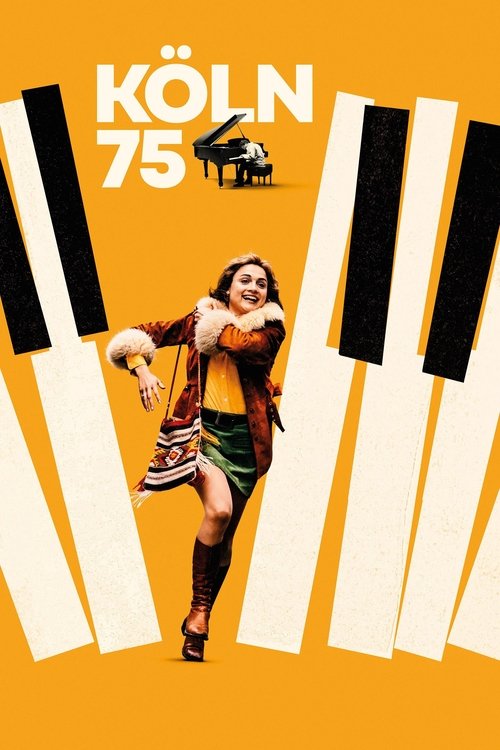
The true story of Vera Brandes, the teenage concert promoter who organized Keith Jarrett’s legendary Cologne Concert in 1975. Mala Emde plays Brandes as someone driven by conviction rather than ego, a young woman operating in a music world dominated by older men who constantly underestimate her. The film doesn’t inflate the stakes artificially. The drama comes from the real obstacles: a wrong piano, a skeptical artist, and a teenager who refused to let any of it stop the show. It’s a biopic about stubbornness, and it earns every minute.
5. Boy George & Culture Club (2026)
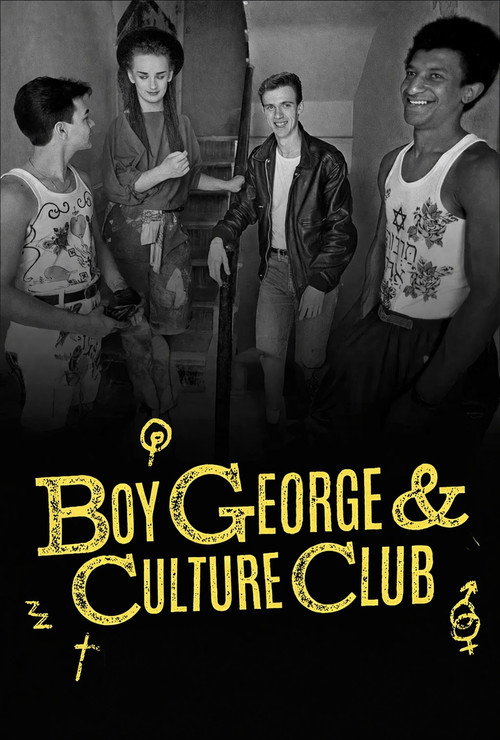
Alison Ellwood’s documentary doesn’t play the nostalgia card. It digs into the genuine friction between the four members of Culture Club, the drug addiction that nearly destroyed Boy George, and the complicated personal dynamics, including George’s relationship with drummer Jon Moss, that fueled and eventually fractured the band. The 1980s footage is electric, but it’s the honest present-day interviews that give the film its weight. Nobody’s pretending it was all fun.
6. De Gaulle: Liberté (2026)
This second installment covering Charles De Gaulle’s wartime years doesn’t turn him into a plaster saint. The film follows his political evolution from 1940 to 1945, showing a man who was stubborn, calculating, and sometimes ruthlessly pragmatic. French biopics about national heroes tend to genuflect. This one keeps its eyes open, with Simon Abkarian and Niels Schneider grounding the wartime intrigue in recognizable human ambition.
7. Earth, Wind & Fire (To Be Celestial vs. That’s the Weight of the World) (2026)
Questlove’s documentary about Earth, Wind & Fire benefits from unprecedented archive access, but what makes it land is that it doesn’t treat the band as a monolith. The creative tensions, the personal struggles, the weight of being a Black band expected to represent joy at all times, it’s all here. The title itself hints at the duality the film explores. Philip Bailey and Verdine White don’t hold back, and the result is a portrait of a group that was never as uncomplicated as their biggest hits suggested.
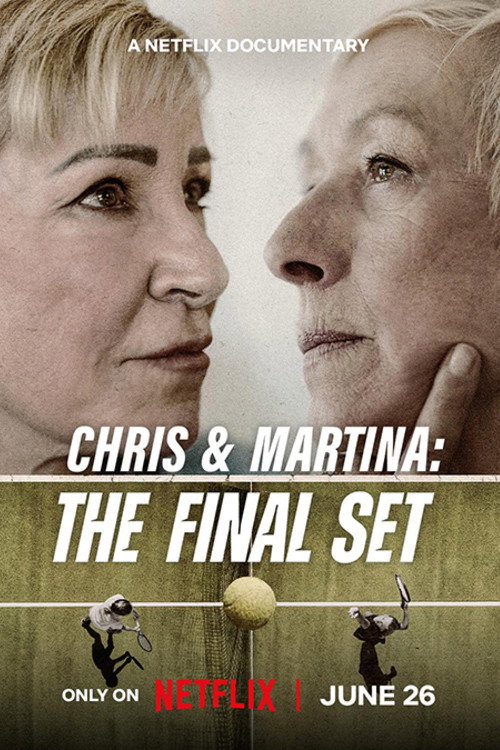
8. Chris & Martina: The Final Set (2026)
Chris Evert and Martina Navratilova’s rivalry is well-documented, but Rebecca Gitlitz’s documentary goes deeper into the friendship that survived it and the health crises that have tested both women. It doesn’t shy away from the competitive jealousy that once defined their relationship. The honesty about aging, mortality, and what competition really costs makes this far more than a sports retrospective.
9. Dastaar (2026)
A Sikh immigrant’s rise from newcomer to community leader after a devastating racist attack. What makes Amar Hundal’s film honest rather than hagiographic is how it handles the ugliness, both the violence directed at its subject and the internal community tensions that complicate any simple narrative of resilience. Tarsem Jassar carries the film with a performance that never begs for sympathy but earns it anyway.
10. Mary Oliver: Saved by the Beauty of the World (2026)
A documentary about a beloved poet could easily become reverential wallpaper. This one doesn’t. Sasha Waters traces Oliver’s lonely, sometimes abusive childhood and the long, difficult path to learning to accept love. Helena Bonham Carter reads the poetry, but the film earns its emotional power from the biographical details most fans don’t know. The portrait that emerges is of a woman whose connection to nature wasn’t a lifestyle choice but a survival strategy.
11. State of Firsts (2026)
Following Sarah McBride’s first year in Congress, Chase Joynt’s documentary captures the exhausting reality of being a “first” rather than the inspiring highlight reel. The political obstruction, the personal toll, and the gap between symbolic progress and actual legislative power are all laid bare. The film is strongest when it shows how quickly the novelty of representation fades and the real work begins.
When Comedians Drop the Mask
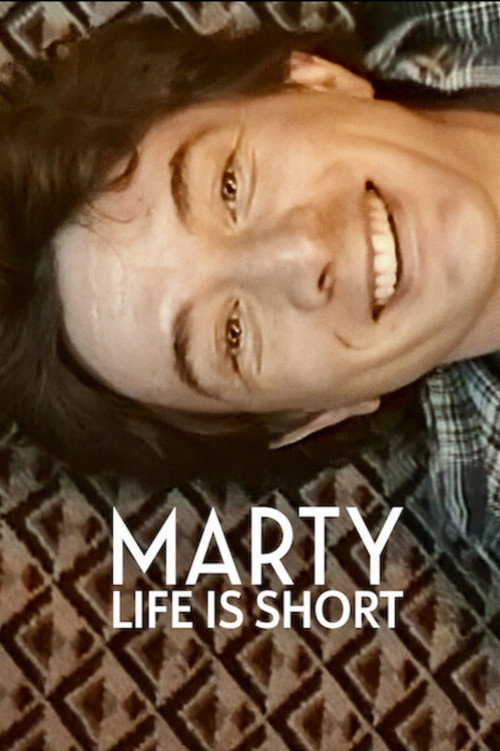
12. Marty, Life Is Short (2026)
Lawrence Kasdan’s portrait of Martin Short uses never-before-seen archive material and intimate interviews to go beyond the comedy persona. The film addresses grief, specifically the death of Short’s wife Nancy, with a directness that cuts through the laughs. Ron Howard, Steve Martin, and Tom Hanks all appear, but this isn’t a celebrity roast. It’s a real look at a man who uses humor as armor, and Kasdan doesn’t let him hide behind it for the full runtime.
13. Untold UK: Vinnie Jones (2026)
Vinnie Jones built a persona as football’s ultimate hard man, and plenty of documentaries have played along with that image. David Tryhorn’s film doesn’t. It traces the rise, the fall, and the genuine personal cost behind the red cards and tabloid headlines. Jones’s own candor about what he got wrong is what separates this from another sports highlight reel. The man who emerges is more complicated and more vulnerable than the character he spent decades performing.
14. The Truth and Tragedy of Moriah Wilson (2026)
Marina Zenovich’s documentary about cyclist Moriah Wilson is devastating precisely because it refuses to simplify. Wilson was brilliant, driven, and loved by the people around her. The film traces her rise in the cycling world with warmth, then deals with the circumstances of her death without sensationalism. It’s a portrait of someone whose singular focus was both her superpower and, in the cruelest way, the thing that put her in danger. The family’s involvement gives the film an emotional honesty that true-crime docs rarely achieve.
15. Noah Kahan: Out of Body (2026)
Nick Sweeney’s documentary catches Noah Kahan at the exact moment fame starts to feel like a trap. Instead of a victory-lap concert film, it follows Kahan back to Vermont as he wrestles with the pressure of a second album and the anxiety that comes with sudden global recognition. The film is honest about the gap between the folksy, approachable persona fans love and the real person underneath, someone who genuinely struggles with mental health and the weight of being a public figure. It’s a small, specific portrait, and that’s why it works.
The thread running through all of these is a willingness to let real people be complicated. The worst biopics treat their subjects like brand campaigns. The best ones, like the films above, trust that flaws and contradictions are what make a life worth watching. If you’re drawn to stories about real people told without the usual polish, explore our drama collection or check out more biography films for your next watch.
Discover Your Next Favorite Film
Browse our curated collection of movie trailers and find something new to watch tonight.
Browse Trailers