4 Best Folk Horror Movies
Films.io Editorial
5 min read
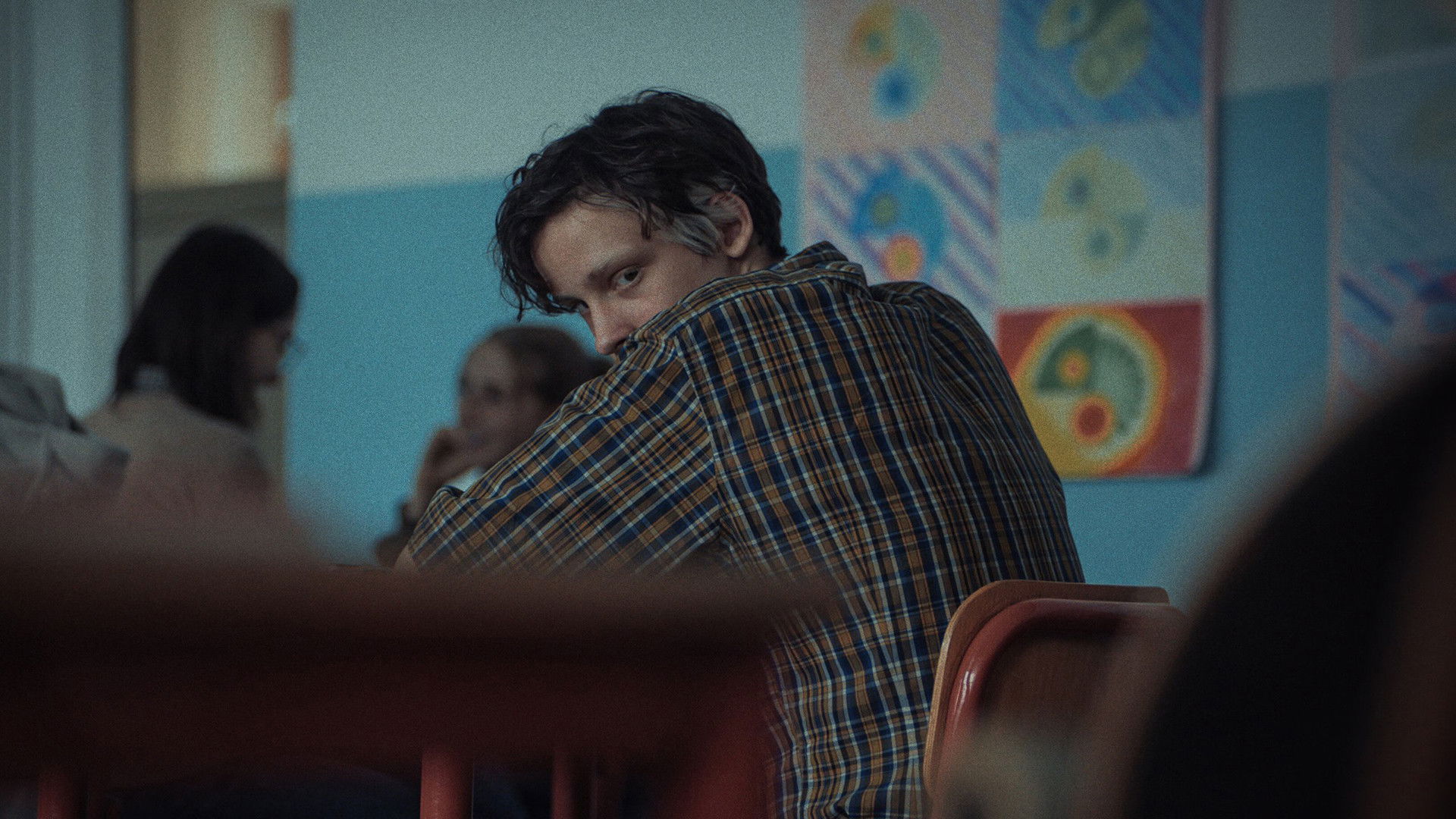
Folk horror isn’t just horror set in the countryside. It’s a specific kind of dread, the kind that comes from ancient rituals, pagan traditions, and communities where the old ways never really died. The soil holds memory. The villagers know something you don’t. And by the time you figure out what’s happening, you’re already part of the ceremony. The Holy Boy, released last year, is one of the purest recent examples: an outsider walks into a remote Italian mountain village where weekly rituals keep the locals in eerie serenity, and the slow reveal of what that serenity costs is textbook folk horror at its most unnerving.
The genre has been around since the late 1960s, but it’s experienced a genuine renaissance over the last decade. Directors from Finland to Indonesia are finding new ways to mine local folklore, indigenous spirituality, and colonial trauma for horror that feels rooted in something real. The Holy Boy sits comfortably alongside classics like The Wicker Man and new international entries like Mārama as proof that folk horror keeps evolving. Here are 20 folk horror films worth your time, mixing canonical classics with recent entries that prove the genre is more alive than ever.
The Unholy Trinity
You can’t talk about folk horror without starting here. Critic Mark Gatiss identified three films that essentially invented the genre as we know it, and he was right.
1. Witchfinder General (1968) is the foundation. Michael Reeves directed Vincent Price as Matthew Hopkins, a real historical figure who exploited the English Civil War to conduct witch trials across East Anglia. What makes it folk horror rather than period drama is how the landscape itself becomes an accomplice. The flat, muddy English countryside isn’t just a backdrop. It’s a place where superstition has more authority than law, and where accusations of witchcraft are tools of power. Price gives one of his most restrained performances, which makes Hopkins all the more terrifying.
2. The Blood on Satan’s Claw (1971) takes things further into the supernatural. In a rural English village, children begin finding body parts in a freshly plowed field, and a demonic cult forms among the young people. Piers Haggard directed this one, and what sticks with you is how the evil literally grows out of the earth. The land isn’t passive. It’s producing something ancient and hungry. The film is rougher and more disturbing than Witchfinder General, and that’s saying something.
3. The Wicker Man (1973) is the masterpiece. Robin Hardy’s film about Sergeant Howie investigating a missing girl on a Scottish island remains the single most effective folk horror movie ever made. Edward Woodward’s devout Christian policeman walking into a community of cheerful pagans is the genre’s defining collision. You know something terrible is coming. The islanders know it too. They’re singing about it. That final image, Woodward screaming inside the burning wicker structure while the villagers sing “Sumer Is Icumen In,” is the most chilling ending in horror history. Nothing has topped it in over fifty years.
The 1970s Wave
The unholy trinity opened the floodgates, and the 1970s produced several more films that belong in the folk horror conversation.
4. Robin Redbreast (1970), a BBC Play for Today, follows a woman who moves to a rural English village after a breakup and slowly realizes the locals have plans for her that involve fertility rites and ancient custom. It’s only a TV play, but its influence on everything that came after is enormous. The “city person trapped in a village with a secret” template starts here as much as anywhere.
5. Cry of the Banshee (1970) put Vincent Price back in folk horror territory, this time as a magistrate persecuting a coven of witches in Elizabethan England. The witches summon a vengeful spirit, and the film becomes a story about what happens when you try to stamp out old beliefs by force. It’s messier than Witchfinder General, but that central tension between institutional power and folk magic is pure genre material.
6. The Dark Secret of Harvest Home (1978) is a TV miniseries starring Bette Davis as the matriarch of a seemingly idyllic New England farming community. A family moves there from the city. Fertility rituals are involved. The harvest demands its due. If that sounds familiar, it’s because Ari Aster clearly watched this before making Midsommar. Davis is magnetic and terrifying.
7. Penda’s Fen (1974), another television play from the BBC, is one of the strangest and most intellectually ambitious entries in the genre. A vicar’s son in rural Worcestershire experiences visions connected to the pagan king Penda and the pre-Christian landscape of England. It’s less overtly horrifying than other entries here, but its exploration of English identity, repressed sexuality, and the buried pagan soul of the countryside has made it a cult touchstone for folk horror scholars.
The Modern Revival
Folk horror went quiet for a while, but the 2010s brought it roaring back with force.
8. The Witch (2015), Robert Eggers’ debut, dropped a Puritan family into 1630s New England and let the wilderness consume them. What makes this genuine folk horror rather than just period horror is how the film treats the family’s belief system as both their shield and their doom. Black Phillip didn’t become a meme by accident. The film earns that final scene because it spends ninety minutes making you feel the weight of religious isolation and superstition.
9. Midsommar (2019) proved folk horror could work in broad daylight. Ari Aster set his story in a Swedish commune during a midsummer festival, and the horror comes not from shadows but from flowers, sunshine, and communal singing. Florence Pugh’s grief gets weaponized by the Hårga community, and the genius of the film is that by the end, you almost understand why she makes the choice she does. The maypole scene is folk horror at its most seductive and disturbing.
10. Apostle (2018), Gareth Evans’ Netflix film, sends Dan Stevens to a remote island in 1905 to rescue his sister from a mysterious cult. Evans, known for The Raid, brings visceral physicality to a story about a community that feeds blood to a goddess trapped beneath the earth. It’s more violent than most folk horror, but the core elements are all there: isolated community, pagan deity, sacrifice.
11. Hagazussa (2017), an Austrian slow burn set in the 15th-century Alps, follows a goat herder accused of witchcraft by her superstitious village. Director Lukas Feigelfeld strips the film down to atmosphere and dread. There’s barely any dialogue. The Alpine landscape does most of the talking, and what it says is deeply hostile. This isn’t an easy watch, but it’s one of the most committed folk horror films of the modern era.
12. Kill List (2011), Ben Wheatley’s film, starts as a hitman thriller before swerving into folk horror territory so hard it’ll give you whiplash. Two contract killers take a job that leads them deeper into the English countryside and closer to a pagan cult. The final act is a nightmare. Wheatley doesn’t telegraph the genre shift, which makes the landing that much more devastating. The tunnel sequence alone justifies its place here.
13. A Field in England (2013), also from Wheatley, is set during the English Civil War and follows a group of deserters who encounter a mysterious alchemist in, yes, a field. The film is shot in black and white, uses hallucinatory editing, and feels like it was dug up from the same soil as Witchfinder General. It’s the most experimental film on this list, and definitely the most divisive, but its commitment to folk horror’s core obsessions, the land, the ritual, the circle that traps you, is absolute.
Global Folk Horror
One of the most exciting developments in the genre is how filmmakers outside the British Isles are using their own folk traditions to create horror that feels genuinely different from the English template.
14. Impetigore (2019), from Indonesian director Joko Anwar, sends two women to a remote Javanese village where the locals have a connection to shadow puppet rituals and a curse involving skinned children. It’s graphic and unsettling, and it draws on Javanese folklore in ways that Western folk horror simply can’t replicate. The village feels like it exists outside of time.
15. Tumbbad (2018) is an Indian folk horror film set across multiple decades, following a family’s obsession with a treasure guarded by a mythological demon in a rain-drenched, decaying village. The production design is extraordinary, and the film treats greed as its own kind of ritual devotion. It’s one of the most visually striking folk horror films ever made, from any country.
16. November (2017), an Estonian film directed by Rainer Sarnet, is set in a pagan Estonian village where the living and the dead coexist, villagers build servant creatures called “kratts” from household objects, and a plague takes the form of a beautiful woman. It’s folk horror filtered through magical realism, shot in gorgeous black and white. The film treats folk belief not as superstition but as the operating system of daily life, which is the most unsettling approach of all.
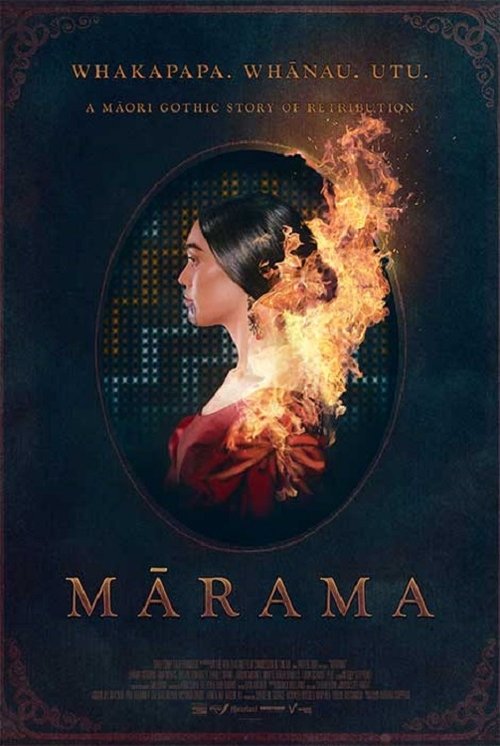
17. Mārama (2026) adds a colonial dimension to the genre that feels both urgent and overdue. Toa Stappard’s film, released earlier this spring, is set in 1859 and follows a young Māori woman summoned from New Zealand to North Yorkshire, where she uncovers her horrific colonial heritage and confronts the titled Englishman who devastated her people. The collision of Māori spiritual tradition and the English Gothic estate is a potent folk horror cocktail, and the film’s willingness to frame colonialism itself as a kind of monstrous ritual gives it real teeth. It earned strong critical notices, and deservedly so. It’s one of the best horror films released this year.
Recent Additions Worth Seeking Out
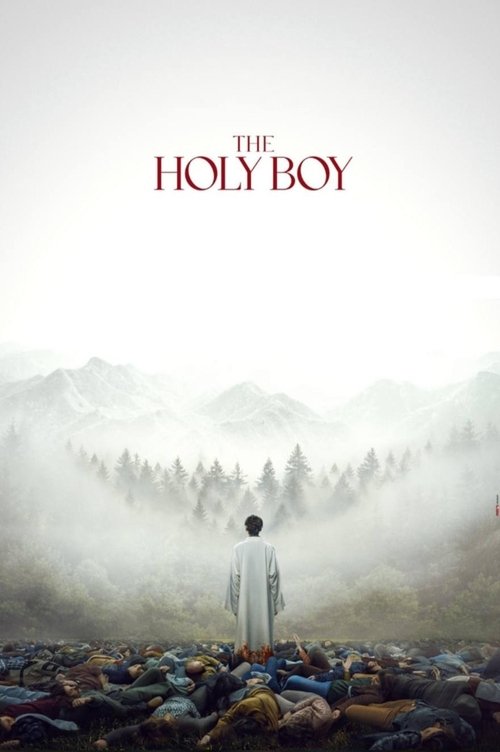
18. The Holy Boy (2025) is arguably the purest folk horror entry in our library. Paolo Strippoli’s film follows a PE teacher who relocates to an isolated mountain village where the locals live in eerie, unshakeable serenity. Then he discovers the ritual: once a week, the community is “freed of their pain” through a disturbing ceremony. The setup is textbook folk horror. An outsider, a remote village, ancient practices disguised as communal harmony. The film uses its Italian alpine setting to create genuine unease, and the slow reveal of what “serenity” actually costs is deeply unsettling. It came out last September and quietly became one of the best folk horror films in years.
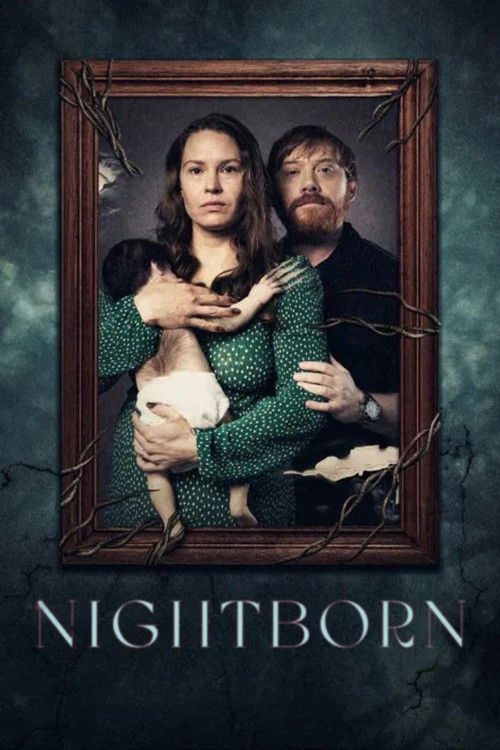
19. Nightborn (2026) comes from Hanna Bergholm, who directed Hatching, and it draws on Finnish folklore and the deep, claustrophobic atmosphere of the Finnish forest. Released just weeks ago, the film follows Saga and her husband Jon as they become parents, but something is deeply wrong with the newborn. Bergholm has a gift for turning domestic spaces into sites of mythic dread, and the Finnish forest setting gives the film a folk horror dimension that lifts it beyond standard supernatural horror. It’s more intimate than The Holy Boy, but it shares that same sense of ancient forces intruding on contemporary life.
20. Red Riding (2026) takes the Red Riding Hood fairy tale and transplants it to a decaying Scottish estate. Craig Conway directed this one, released back in March, and the setup is solid folk horror: after her mother’s overdose, a teenager moves from London to her estranged grandmother’s remote Highland home, where missing children and a monstrous wolf blur the line between folklore and reality. The Scottish landscape does heavy lifting here, all windswept moors and ancient stone. The film is rougher around the edges than others on this list, and its TMDB rating of 5.0 suggests audiences were divided. But its commitment to treating fairy tales as genuine rural nightmares, with dark family secrets rooted in the land itself, earns it a spot. Conway understands that the best folk horror versions of familiar stories strip away the storybook comfort and expose the bone underneath. It’s an imperfect film, but an interesting one for genre fans willing to meet it halfway.
The Soil Remembers
What connects all twenty of these films, across decades and continents, is a shared understanding that modernity is a thin veneer. Scratch the surface and you find older beliefs, older debts, older hungers. The best folk horror doesn’t just scare you. It makes you wonder what your own landscape might be hiding.
If you’re new to the genre, start with The Wicker Man and work forward. If you’re caught up on the classics, The Holy Boy and Nightborn prove that filmmakers are still finding fresh ways to make the old gods terrifying. And if you want to explore folk horror beyond the English countryside, Tumbbad and Mārama show just how rich this genre gets when it draws on traditions the Western canon has barely touched.
Browse more horror films in our collection, and keep checking back. Folk horror is having a real moment right now, and we’re adding new titles regularly.
Discover Your Next Favorite Film
Browse our curated collection of movie trailers and find something new to watch tonight.
Browse Trailers