Best Films Robbed of Best Picture
Films.io Editorial
5 min read
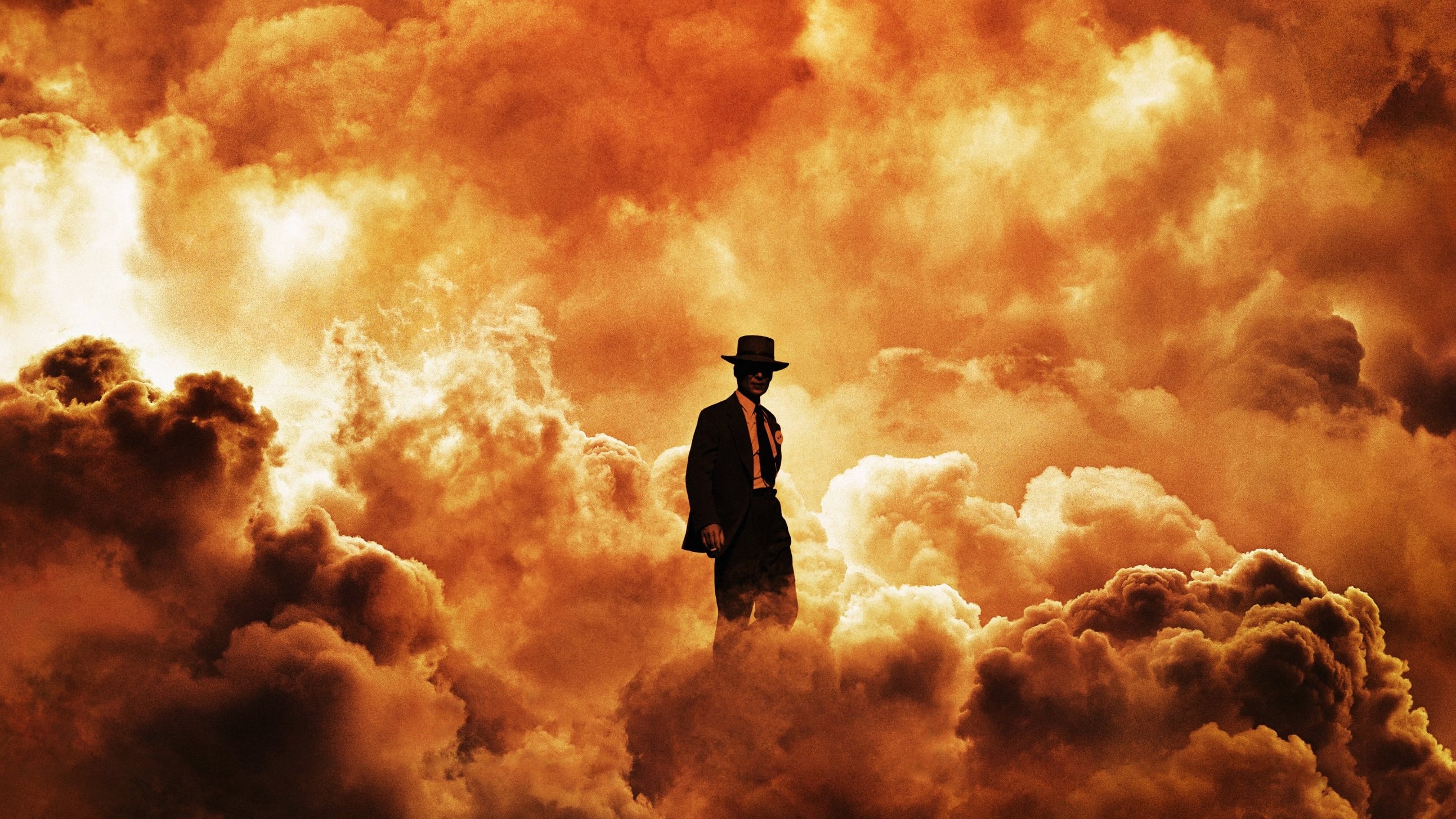
The Academy gets it right sometimes. Oppenheimer winning in 2024 felt earned. Parasite winning in 2020 was a genuine landmark. But for every correct call, there are years where the Best Picture Oscar went to the wrong film. Not necessarily a bad film, just not the best film. The history of Best Picture snubs is really the history of the Academy playing it safe, rewarding prestige bait over genuine artistry, and occasionally making choices so baffling they age like milk in the sun.
This piece is about those losses. The films that deserved the top prize and didn’t get it, and what those snubs tell us about Hollywood’s complicated relationship with its own awards.
The Dark Knight Changed the Rules (and Still Lost)
You want to talk about a snub with consequences? The most infamous example is The Dark Knight in 2009. Heath Ledger’s Joker is one of the greatest screen performances of the 21st century, the kind of role that haunts you for days after the credits roll. The interrogation scene alone, Ledger leaning into Batman’s fists with that cackling laugh, is more cinematically alive than most Best Picture winners in their entirety.
The Dark Knight wasn’t just snubbed. It was so obviously snubbed that the Academy literally rewrote its own rules, expanding the Best Picture field from five nominees to up to ten starting the following year. Think about that for a second. One film’s exclusion was so embarrassing that it restructured the most prestigious award in cinema. And the movie that won that year? Slumdog Millionaire. A solid film. But ask yourself which one people are still talking about seventeen years later.
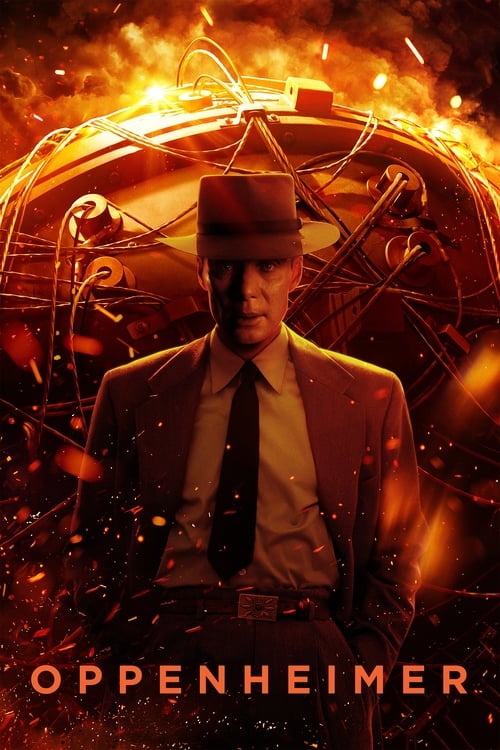
Nolan’s Dunkirk lost in 2018. Inception was nominated in 2011 but lost to The King’s Speech. The Academy kept telling Christopher Nolan “not yet” for over a decade. It wasn’t until Oppenheimer that they finally ran out of excuses. Cillian Murphy disappeared so completely into Robert Oppenheimer that you forget you’re watching an actor, and the Trinity test sequence, three hours of tension building to a single moment of terrifying silence, basically dared voters to pick something else. They finally didn’t. But the years of snubs before that win remain some of the most glaring in modern Oscar history.
Scorsese: The Patron Saint of Getting Robbed
Martin Scorsese is the most decorated snub artist in Academy history. The man directed Goodfellas, Raging Bull, and Taxi Driver without winning Best Picture for any of them. Let that sink in. Goodfellas lost to Dances with Wolves in 1991. Raging Bull lost to Ordinary People in 1981. These aren’t debatable cases where reasonable people might disagree. These are stone-cold robberies that get more embarrassing with every passing year.
Goodfellas is the one that really stings. The “Funny how?” scene. The Copacabana tracking shot. Ray Liotta narrating his own moral collapse with the casual energy of someone ordering lunch. It’s a film that reinvented how crime stories could be told on screen, and it lost to Kevin Costner playing with wolves. Ordinary People is a well-made family drama, and Dances with Wolves is a sweeping epic with genuine ambition, but neither film rewired cinema the way Scorsese’s best work did.
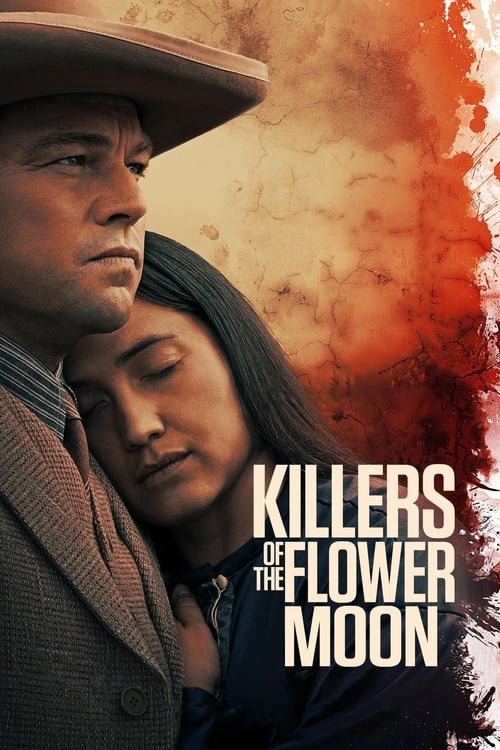
Killers of the Flower Moon continued this pattern in 2024. Scorsese’s 206-minute epic about the Osage murders is his most patient, most devastating film in years. Leonardo DiCaprio plays against type as a weak, easily manipulated man, and Lily Gladstone delivers a performance so still and controlled that every scene with her feels like holding your breath. The film lost to Oppenheimer, which is itself a phenomenal movie. This is the cruelest version of the snub: when two all-time-great films land in the same year and one has to lose. But Scorsese’s lifetime batting average at the Oscars remains astonishingly bad for someone universally regarded as one of the greatest directors who ever lived.
Lincoln and the “Fine, I Guess” Problem
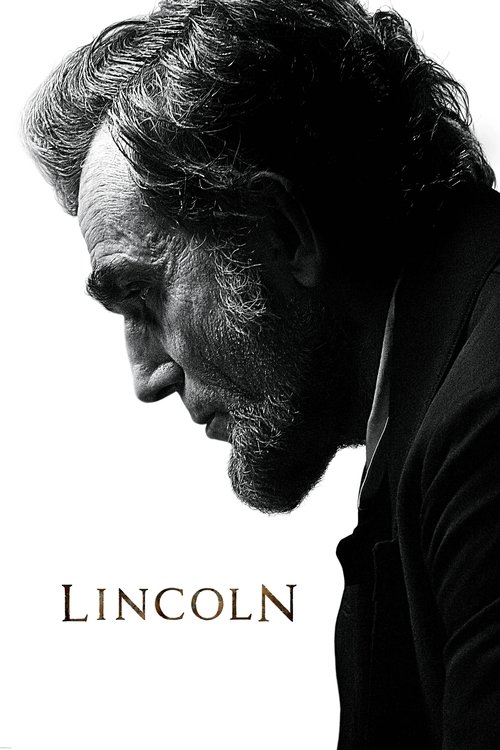
Spielberg’s Lincoln is a film about the unglamorous, arm-twisting, horse-trading mechanics of moral progress. Daniel Day-Lewis doesn’t play Abraham Lincoln. He becomes Lincoln, to the point where you half expect him to pull out a pocket watch between takes and start debating the Missouri Compromise with craft services. His voice, that high, reedy tenor that reportedly approximated the real Lincoln’s, is a choice so bold and specific that it redefines what a biopic performance can be.
Lincoln lost Best Picture to Argo at the 85th Academy Awards. Argo is a perfectly enjoyable thriller. It’s well-paced, it’s got a great third act, and Ben Affleck directed it with real confidence. But it’s also the kind of film that wins because it’s the easiest vote in the room. Nobody’s offended by Argo. Nobody’s challenged by it. It goes down smooth. Lincoln asks you to sit with the tedium and compromise of democracy, to watch politicians lie and barter and scheme in service of something genuinely righteous, and that’s a harder sell to a voting body that prefers its prestige with a little more popcorn.
The loss is especially frustrating because Spielberg had been on the wrong end of these decisions before. Saving Private Ryan lost to Shakespeare in Love in 1999, a result so infamous it became shorthand for “the Oscars got it wrong.” The Academy has a pattern with Spielberg: they admire the craft, they nominate the film, and then they vote for something lighter.
Once Upon a Time in Hollywood: Too Weird to Win
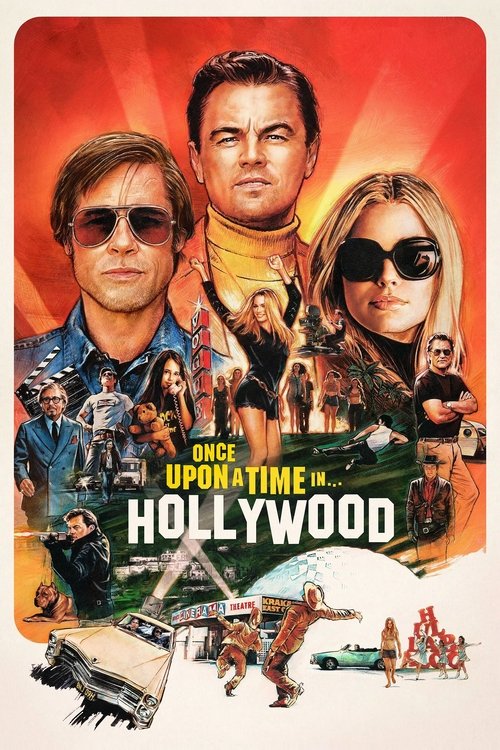
Here’s a film that didn’t stand a chance, and that’s exactly what makes it special. Once Upon a Time. in Hollywood is Quentin Tarantino’s hangout movie, a sun-drenched, rambling ode to 1969 Los Angeles that barely has a plot for its first two hours. Leonardo DiCaprio and Brad Pitt have the kind of easy, lived-in chemistry that can’t be manufactured. The scene where DiCaprio’s Rick Dalton botches his lines on set, retreats to his trailer, and berates himself in the mirror is one of the most nakedly emotional moments in Tarantino’s filmography.
It lost Best Picture to Parasite at the 92nd Academy Awards. And look, Parasite deserved that win. Bong Joon-ho’s film is a surgical instrument of class satire, and its victory was a historic moment for international cinema. No argument there. But Once Upon a Time in Hollywood is the kind of film that ages beautifully, the kind you return to on lazy Sunday afternoons just to marinate in its atmosphere. It’s too loose, too strange, too confident in its own digressions to fit the Academy’s template for a Best Picture winner. And that’s exactly why its loss feels like a snub. The Academy rarely rewards films that are this comfortable being weird.
The Bigger Pattern
The through line across all of these snubs is depressingly consistent. The Academy gravitates toward films that are easy to admire but hard to love. Films that look prestigious on a poster. Films that make voters feel good about their choice without being challenged too much. Goodfellas is too violent. The Dark Knight is “just a comic book movie.” Lincoln is too slow. Once Upon a Time in Hollywood is too shaggy. The excuses change, but the instinct stays the same.
The best Best Picture winners, your Parasites and your Oppenheimers, are the ones that break through that instinct. They win because they’re so undeniably excellent that even the safest voter in the room can’t justify picking something else. But for every film that breaks through, there are several that don’t, films that sit in the “should have won” conversation for decades while the actual winners quietly fade from memory.
If you’re looking for more dramas that deserved bigger recognition, or want to explore the filmographies of directors like Scorsese, Nolan, and Spielberg who’ve been on the wrong end of these votes, browse our full collection and decide for yourself which films got robbed.
Discover Your Next Favorite Film
Browse our curated collection of movie trailers and find something new to watch tonight.
Browse Trailers