Movies with the Best Costume Design
Films.io Editorial
5 min read
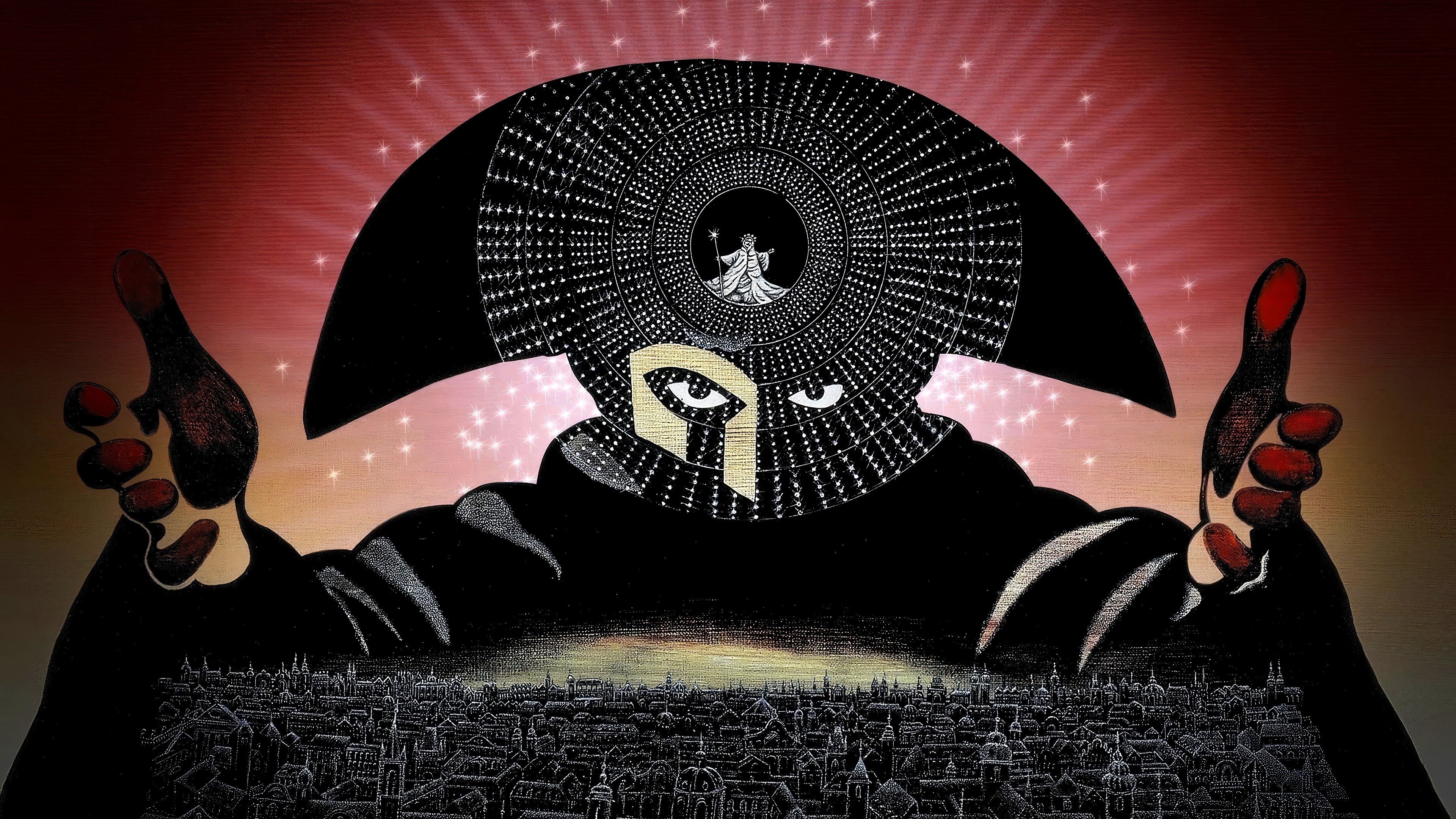
Every movie you’ve ever watched has someone who spent weeks, sometimes months, deciding exactly what each character wears. The best costume design movies don’t just dress actors in pretty clothes. They use wardrobe to tell you who a person is before they open their mouth. A single outfit can signal status, rebellion, heartbreak, or time period. When costume design really sings, you can’t separate it from the film itself. The clothes become the story.
Amadeus, The Devil Wears Prada, Barbie. These films would be fundamentally different without their wardrobes. I’ve pulled together movies where the costume work isn’t just good but essential, where stripping away the wardrobe would change what the movie is. These are the best costume design movies in our collection, and each one earns its spot for a different reason.
Period Films That Live or Die by Their Threads
Historical costume design is the most obvious playground for wardrobe artists, but it’s also the hardest to get right. Go too accurate and everything looks stiff and museum-like. Go too loose and you lose believability. The best period films find that sweet spot.
Amadeus (1984)
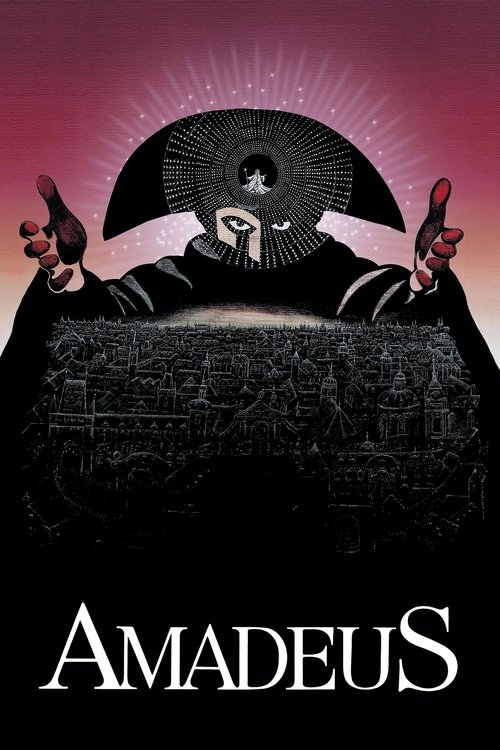
Theodor Pistek won the Academy Award for his costumes here, and it’s easy to see why. The wigs alone are practically characters. Tom Hulce’s Mozart wears outfits that are deliberately excessive, all pinks and ruffles, while F. Murray Abraham’s Salieri dresses in darker, more restrained clothing. The wardrobe mirrors their artistic philosophies before either man plays a single note.
Titanic (1997)
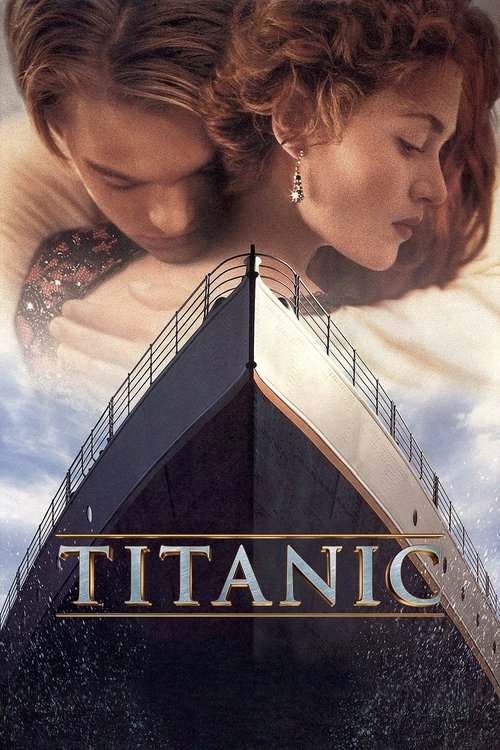
Deborah Lynn Scott won the Oscar for her costume work on Cameron’s epic, and it’s a masterclass in using wardrobe to mark class division. Kate Winslet’s Rose boards the ship in corseted Edwardian finery, the visual weight of her upper-class prison. When she sheds those layers for simpler clothes in steerage, you feel her liberation. Leonardo DiCaprio’s borrowed tuxedo at the first-class dinner is a perfect costume beat: he looks the part, but the fit is just slightly off, and everyone in the room knows it. Scott reportedly created over 100 period-accurate costumes for the background passengers alone.
Lincoln (2012)
Joanna Johnston’s work on Spielberg’s Civil War drama is the opposite of flashy. Daniel Day-Lewis wore that rumpled black suit and stovepipe hat, and it looked lived-in. You could see the weight of the presidency in how his clothes hung off him. Sally Field’s Mary Todd Lincoln, by contrast, wore elaborate gowns that spoke to her desperate need to maintain appearances while her family crumbled. The contrast between husband and wife tells you everything about their marriage.
Raise the Red Lantern (1991)
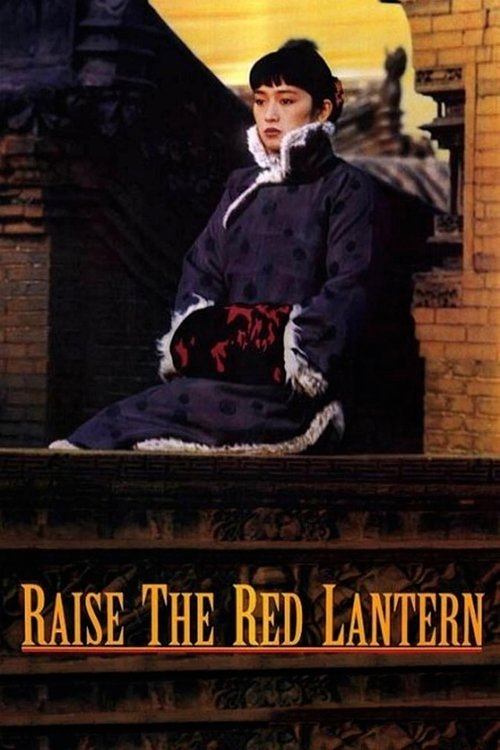
Zhang Yimou’s color-coded film uses costume to track power dynamics between rival wives in a 1920s Chinese household. Each woman’s wardrobe subtly shifts as her status rises or falls. Gong Li’s Songlian arrives wearing simple student clothes, and her gradual transformation into the ornate silk gowns of a concubine is the film’s real story. You watch her literally being dressed into submission.
Quills (2000)
Set in an early 19th-century French asylum, Jacqueline West’s costumes for Philip Kaufman’s film do something clever: they chart the erosion of civility. Geoffrey Rush’s Marquis de Sade starts in somewhat dignified clothing and is systematically stripped of it as the authorities clamp down. Kate Winslet’s laundress wears plain, functional garb that doubles as camouflage, letting her move between worlds. Joaquin Phoenix’s priest is buttoned up tight, his restrictive collar doing as much character work as the script. As the film grows more extreme, the costumes get more desperate, more reduced. Fabric becomes a scarce resource in a story about suppression.
Fashion as the Whole Point
Some movies aren’t just about people who happen to wear great clothes. They’re actually about the fashion world itself, and the costume design has to work on two levels: as cinema and as credible fashion.
The Devil Wears Prada (2006)
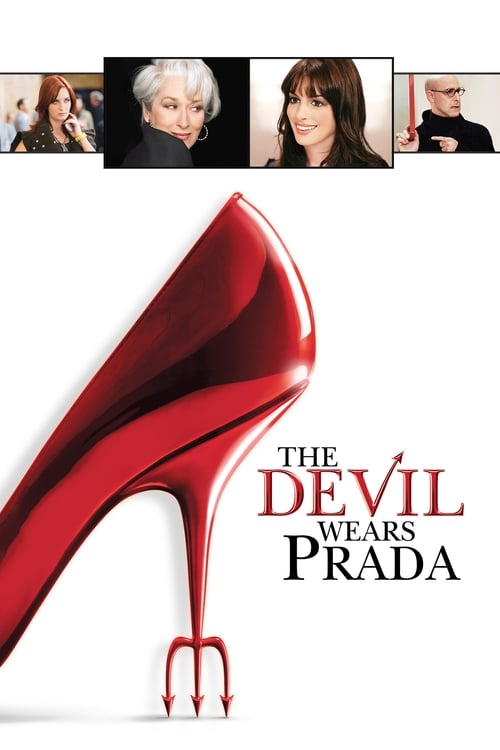
Patricia Field, the same genius behind Sex and the City, turned this movie into a style bible. Anne Hathaway’s transformation from frumpy journalism grad to Runway-polished fashionista is one of the great visual character arcs in modern film. But the real magic is in Meryl Streep’s Miranda Priestly wardrobe. Every single outfit is armor. That white coat? The silver bob paired with designer everything? Field understood that Miranda doesn’t wear fashion. She weaponizes it.
Couture (2026)
Alice Winocour’s film, set during the frenzy of Fashion Week in Paris, had the unenviable task of depicting the high fashion world with Angelina Jolie front and center. Costume designer Pascaline Chavanne needed outfits that felt like actual runway-adjacent pieces, not movie approximations. The film itself got mixed reviews, but the wardrobe work deserves separate praise. When you’re making a movie literally called Couture, you can’t fake it.
The Devil Wears Prada 2 (2026)
The sequel arrived nearly twenty years after the original with the difficult task of updating Miranda Priestly’s wardrobe for a digital media era. The setup is strong: Streep’s Miranda now faces a publishing industry that’s shifted beneath her, and Emily Blunt’s Emily Charlton has become a luxury group executive, putting them on opposite sides. The costume design needed to reflect that power reversal visually. Whether it fully delivered is a matter of opinion, but the ambition was right.
Kiss of the Spider Woman (2025)
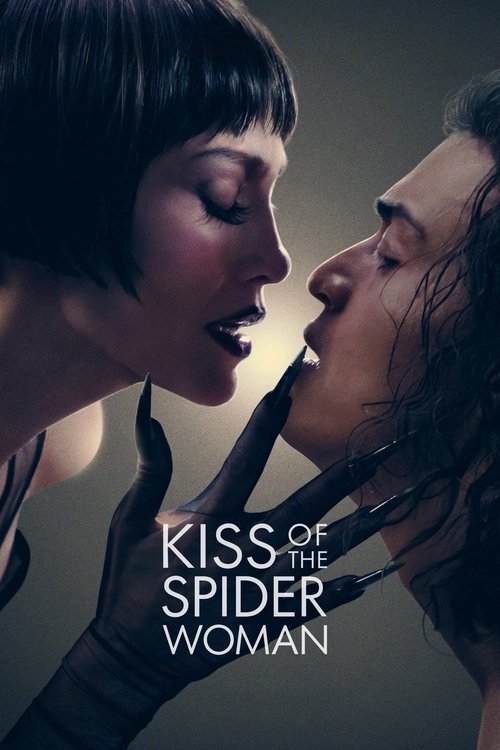
Bill Condon’s film pulls off something fascinating with its costume design by creating two entirely separate visual worlds within a single movie. The prison sequences dress Diego Luna’s Valentín and Tonatiuh’s Molina in drab institutional clothing, stripped of identity and color. But when Molina recounts his beloved Hollywood musical, the film explodes into lavish fantasy sequences with Jennifer Lopez draped in extravagant, old-Hollywood-style gowns and stage costumes. The contrast between those two wardrobes isn’t just pretty to look at. It’s the film’s emotional engine. The costumes in the fantasy sequences represent everything Molina dreams about and everything the prison takes away. That push and pull between drab reality and glittering imagination makes the wardrobe design one of the most interesting split-personality jobs in recent memory.
Musicals and Fantasy Where Costumes Build Entire Worlds
When you’re creating a universe from scratch, costume design becomes world-building. There’s no historical reference to fall back on. Everything has to be invented.
Wicked (2024)
Paul Tazewell’s costume design for the land of Oz had to walk a fine line between the theatrical legacy of the stage show and something that felt cinematic. Cynthia Erivo’s Elphaba wears increasingly dark, angular costumes that emphasize her outsider status, while Ariana Grande’s Glinda is draped in pink, bubbly, rounded silhouettes. The wardrobe creates a visual language you understand instantly. You know who these people are just by looking at them.
Barbie (2023)
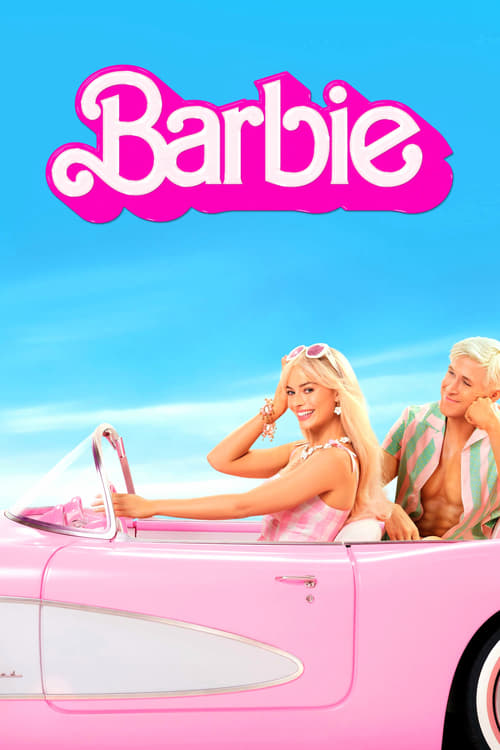
Jacqueline Durran’s costume work here is staggering in scope. The sheer volume of costume changes is absurd, with Margot Robbie going through dozens of different outfits, many of them recreations of real Barbie dolls from different decades. The Western Barbie look, the roller skating outfit, the iconic pink gingham dress. Durran made each one feel both playful and specific. What could have been a gimmick became the film’s visual identity. The costumes were the rare case where wardrobe got audiences genuinely excited during the marketing campaign, months before the movie even opened.
La La Land (2016)
Mary Zophres’s costumes for Damien Chazelle’s musical are more understated than the others on this list, but that’s the point. Emma Stone’s primary-colored dresses pop against LA’s sunset palette. That yellow dress in the “A Lovely Night” sequence is already iconic, and it works because it looks like something a real person might wear while still being cinematically perfect. Ryan Gosling’s retro suits and vintage shoes tell you everything about Sebastian’s refusal to let go of the past.
The Sound of Music (1965)
The costume work here has been imitated so many times that it’s easy to forget how smart it is. Julie Andrews in that simple blue dress twirling on the mountaintop. The children’s playclothes made from curtain fabric. The nun habits. Each costume communicates the film’s central tension between freedom and conformity. Those curtain-fabric outfits aren’t just a cute plot point. They’re Maria’s rebellion made wearable.
Costumes That Define a Character’s Transformation
Elvis (2022)
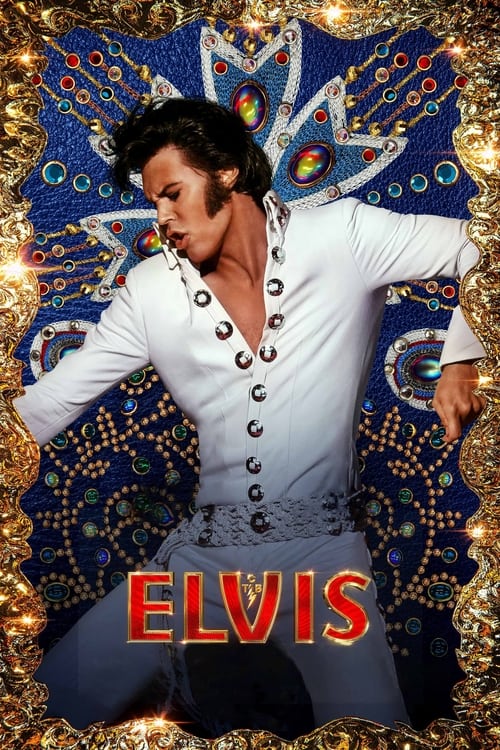
Catherine Martin, Baz Luhrmann’s longtime collaborator, won the Oscar for this, and she earned every bit of it. Austin Butler goes through decades of Elvis’s life, and Martin had to create costumes that track his evolution from a Memphis kid in pink shirts to the white-jumpsuited Vegas icon. The pink suit at the Louisiana Hayride. The black leather ‘68 Comeback Special outfit. Each one is historically faithful but slightly heightened for the screen. That’s the trick of great biographical costume design: accuracy plus cinema.
Tootsie (1982)
Ruth Morley’s costume design for Dustin Hoffman’s Dorothy Michaels is an underrated achievement. The whole movie hinges on whether you buy Hoffman as a woman, and the wardrobe does enormous heavy lifting. Those power-shoulder dresses and that red sequined gown aren’t just funny. They’re carefully constructed to be believable while also commenting on how women were expected to dress for television in the early ’80s.
Walk the Line (2005)
Arianne Phillips dressed Joaquin Phoenix in Johnny Cash’s signature all-black wardrobe, but the film’s real costume achievement is in showing the before. Early scenes feature Cash in lighter, more uncertain clothing. The transition to black isn’t just a fashion choice. It’s a character transformation told entirely through what he puts on in the morning. Reese Witherspoon’s June Carter wardrobe, all those sparkly stage outfits contrasted with her offstage simplicity, adds another layer. The costumes do quiet, essential work throughout.
When Costumes Tell You Something the Script Won’t
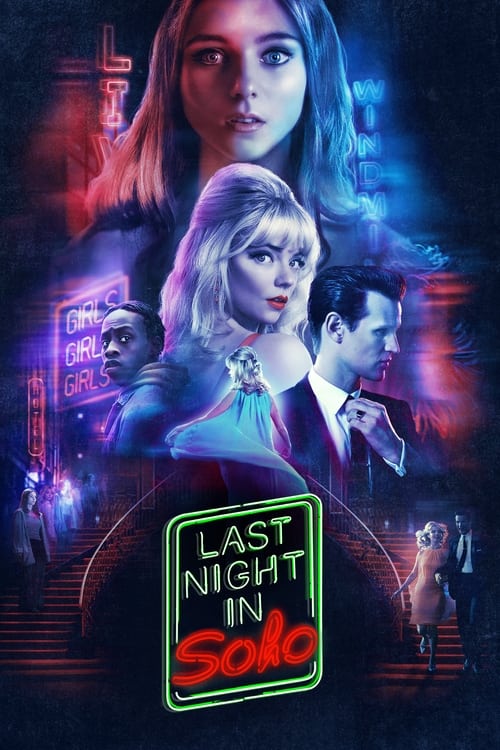
Last Night in Soho (2021)
Edgar Wright’s horror film uses 1960s fashion as both seduction and trap. Anya Taylor-Joy’s Sandy wears glamorous mod-era dresses that initially represent Thomasin McKenzie’s Eloise’s fantasy of the era. As the story darkens, those same beautiful outfits become markers of exploitation and danger. The costume design by Odile Dicks-Mireaux makes you fall in love with the ’60s and then shows you the price tag.
Wonka (2023)
Lindy Hemming dressed Timothée Chalamet in that purple velvet coat and top hat, creating a younger, more romantic version of the Wonka silhouette. Hugh Grant’s Oompa Loompa, tiny and orange, is a design feat on its own. The whole film is candy-colored and slightly unreal, and the costumes sell that heightened reality without ever tipping into cartoon territory. It’s a family film where the adults’ clothes are genuinely interesting.
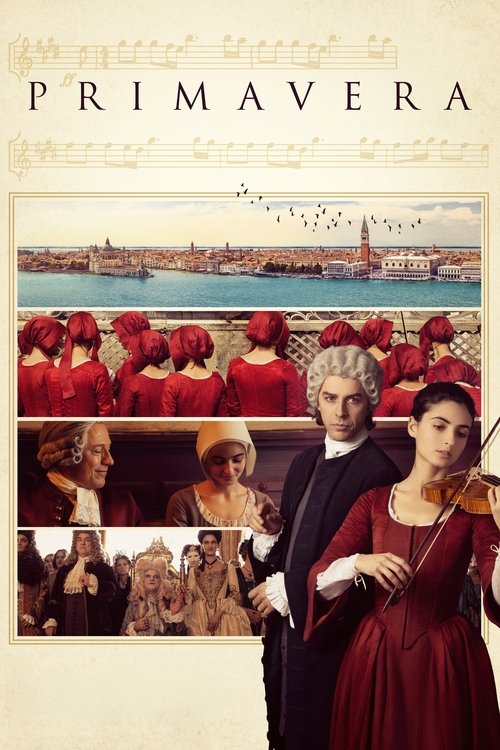
Primavera (2025)
Damiano Michieletto’s film is set in an 18th-century Venetian orphanage, and the costumes anchor everything. Tecla Insolia’s Cecilia lives in institutional simplicity, her plain garments contrasting sharply with the ornate Venetian world just beyond the orphanage walls. When glimpses of silk and embroidery enter her life, they carry the weight of possibility and also of transaction. The film uses wardrobe to draw the line between confinement and freedom, between what Cecilia is allowed to want and what she actually wants.
Wuthering Heights (2026)
Emerald Fennell’s adaptation divided critics, but the visual choices are consistently strong. The Yorkshire Moors setting demands a wardrobe that feels wild and weather-beaten, and the film delivers on that front. Margot Robbie’s Cathy and Jacob Elordi’s Heathcliff exist in a world where clothing signals exactly where you stand on the class ladder, and the costumes make that tension visible throughout.
Costume design is the craft most audiences take for granted. You don’t notice it the way you notice a score or a camera angle. But strip it away and everything falls apart. Every film on this list proves that wardrobe isn’t decoration. It’s storytelling with thread and fabric. If you’re drawn to films that build atmosphere through visual detail, browse more of our drama collection or explore romance films where wardrobe carries emotional weight. You can find all of these and more on our homepage.
Discover Your Next Favorite Film
Browse our curated collection of movie trailers and find something new to watch tonight.
Browse Trailers