The Batman Review: A Detective Story
Films.io Editorial
5 min read
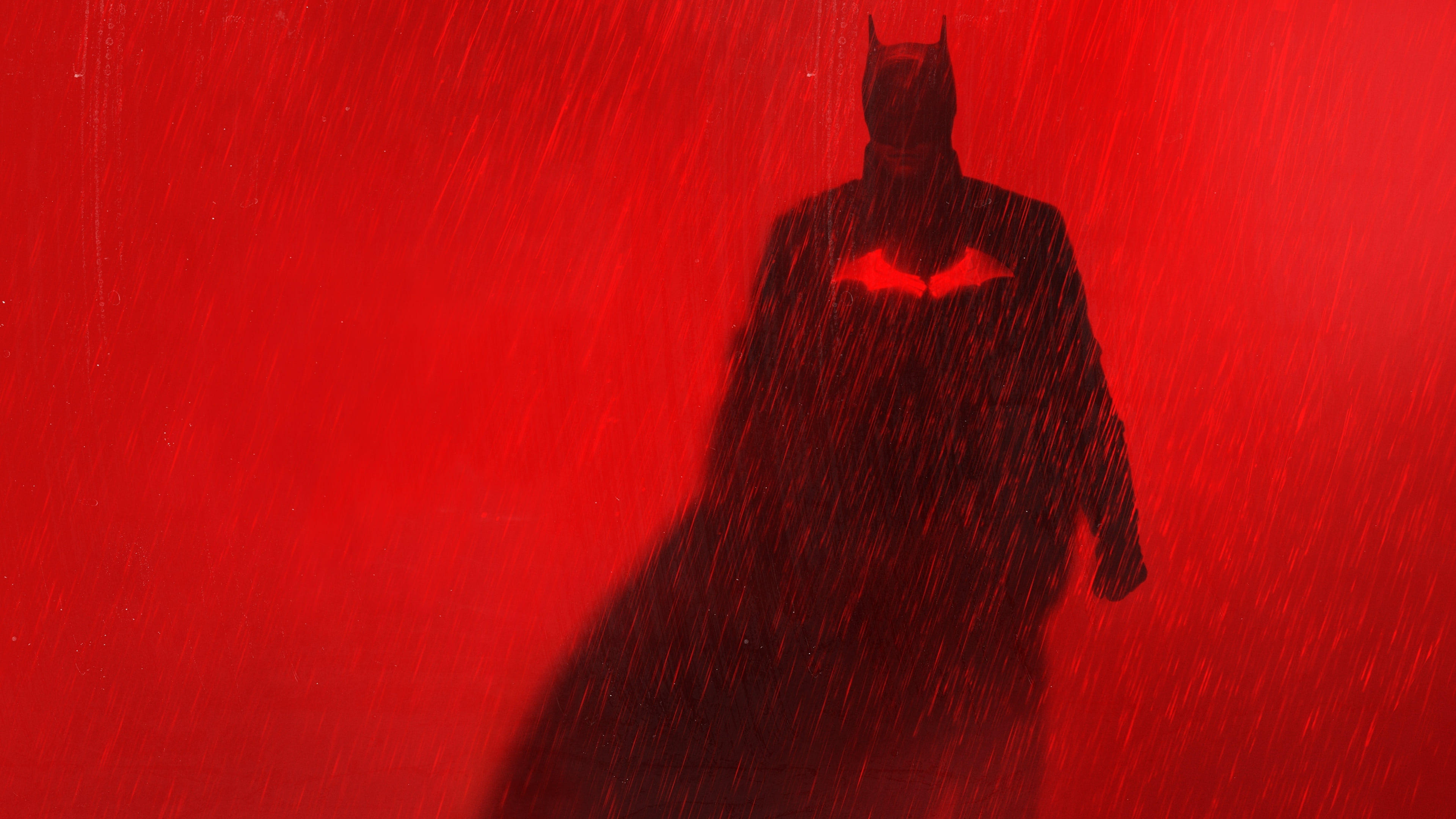
There’s a scene about halfway through The Batman where Robert Pattinson’s Bruce Wayne is standing in the rain, staring at a crime scene photo, and you realize something. This isn’t a superhero movie. Not really. Matt Reeves made a detective movie that happens to feature a guy in a bat suit. And that distinction makes all the difference. This Batman review has been a long time coming for me, because the film has only gotten better with repeat viewings. It’s the version of Batman I didn’t know I needed.
Reeves’ dark vision strips away nearly everything we’ve come to associate with the character on screen. No billionaire playboy charm. No sleek gadgets that defy physics. No grand speeches about being a symbol. What’s left is a broken, angry young man who journals in voiceover like a true-crime podcaster and hasn’t slept in what looks like weeks. Pattinson plays Bruce Wayne like a goth kid who inherited a fortune and decided to punch people instead of going to therapy. And honestly? It works.
Gotham Has Never Looked This Sick
I don’t mean “sick” as a compliment. I mean Gotham City in this film looks genuinely unwell. Gregg Fraser’s cinematography turns every frame into something that feels damp and infected. The city drips. Light barely penetrates. When Batman walks through a nightclub, the red neon makes him look like he’s wading through blood.
The production design matters here because Gotham isn’t a backdrop. It’s the whole point. The Riddler’s crimes are born from Gotham’s corruption. The corrupt officials, the flooded streets, the decaying infrastructure. This city created its own villain. And Batman, for all his efforts, is just one more symptom of a sick place.
Pattinson’s Bruce Wayne Doesn’t Want to Save You
Here’s what separates this Batman from every version that came before: he’s not interested in saving Gotham. Not yet. He’s interested in hurting people and calling it justice. There’s a moment early on where he beats a group of thugs in a subway station and the camera catches the fear in a bystander’s face. She’s not relieved. She’s terrified of him. And Batman doesn’t notice. Or doesn’t care.
Pattinson plays the role with an almost feral intensity. His Bruce Wayne is barely functional in daylight. He shuffles through Wayne Tower like a ghost, avoids public appearances, and seems genuinely confused when Alfred tries to talk to him about family business. This isn’t Christian Bale’s controlled operator or Ben Affleck’s weary veteran. This is a guy who’s two years into his mission and already losing himself.
What I love about the performance is how physical it is without being showy. Pattinson’s Batman moves like someone who’s been in fights, real fights, not choreographed ones. He takes hits. He stumbles. When he puts on the suit, it doesn’t transform him into something invincible. It just makes him harder to kill.
The Riddler Problem (That Isn’t Really a Problem)
Paul Dano’s Riddler is going to be divisive forever. I get it. He’s not the theatrical genius from the comics. He’s a basement-dwelling incel with a manifesto and a roll of duct tape. Some people wanted more spectacle. I think what Reeves did was smarter and more unsettling.
The Riddler works because he’s ordinary. His methods are horrifying precisely because they feel achievable. He’s not building elaborate death traps. He’s targeting specific people with specific grievances, streaming it all for followers who share his rage. Sound familiar? It should.
Where the performance gets genuinely creepy is the interrogation scene. When Dano starts screaming through the glass at Pattinson, unhinged and desperate for Batman’s approval, it’s the most uncomfortable moment in any Batman film. And Pattinson’s silent reaction tells you everything. Batman sees himself in this man. He just doesn’t want to admit it.
The Noir Structure That Holds It All Together
What separates The Batman from every other caped-crusader film is its commitment to detective-story architecture. Think about how the film is structured: each of the Riddler’s ciphers functions like a chapter in a classic whodunit. Batman decodes one layer, follows it to a new witness or crime scene, realizes the picture is bigger than he thought, and starts again. The investigation drives every scene. There are no detours to set up sequels, no universe-building distractions. Just clues, dead ends, and revelations.
The film borrows its rhythm from David Fincher’s Se7en and Zodiac more than it does from any comic book movie. The serial killer leaving coded messages. The detective who becomes obsessed. The dawning horror that solving the case might not actually fix anything. If you’re a fan of crime films or thriller cinema, this Batman review should confirm what you suspected: the movie is built for you, not just the comic book crowd. Fans of investigative tension will find a kindred spirit in Reeves’ approach to Gotham’s underworld , and if you’re hungry for more stories built around unraveling dark conspiracies, upcoming thrillers like Ballistic and The Red Line look like they’re aiming for a similar nerve.
There’s a sequence where Batman uses a contact lens camera to record a crime scene, then reviews the footage frame by frame back in his cave. He’s not looking for someone to punch. He’s looking for a reflection in a window. That’s the kind of detective work this film lives for.
Zoë Kravitz Steals Every Scene She’s In
If Pattinson is the brooding center of the film, Zoë Kravitz is its pulse. Her Catwoman is motivated by something real: grief, rage at a system that chewed up someone she loved. She’s not a love interest tacked onto the plot. She’s running her own parallel investigation, and she’s often smarter about it than Batman.
The chemistry between Kravitz and Pattinson is electric but restrained. Reeves never lets it boil over into romance-movie territory. These are two damaged people who recognize each other’s damage. That rooftop goodbye at the end hits harder than any kiss would have.
There’s a fight scene in a nightclub where Catwoman and Batman move through the same space without coordinating, almost stumbling into each other’s paths. It’s messy and real in a way that superhero team-ups almost never are. No quips. No perfectly synchronized moves. Just two people trying to survive the same chaos.
That Car Chase, Though
Let’s talk about the Batmobile. It’s a muscle car. That’s it. A heavily modified muscle car that sounds like a demon clearing its throat. When it fires up for the first time, the engine roar fills the entire theater, and for a moment you feel like you’re in a horror movie because the Penguin looks like he’s about to cry.
The car chase through Gotham is the best action sequence in the film and one of the best car chases in any movie from the last decade. It’s shot with a clarity that’s rare for modern blockbusters. You always know where every vehicle is, how fast they’re going, and what’s about to go wrong. When the Batmobile flips over a truck and lands in a fireball, then keeps driving, the audience isn’t just excited. They’re scared. Because this car is driven by someone who doesn’t care if he dies.
Colin Farrell deserves special mention here. Under all that prosthetic work, he creates a Penguin who’s genuinely funny and genuinely dangerous. His panicked driving during the chase, cursing and swerving, is the comedic relief the film desperately needs. The fact that Farrell’s performance was strong enough to spin off into its own series tells you everything about what he brought to this role.
Where It Stumbles
Look, this movie isn’t perfect. At nearly three hours, it sags in places. The third act, where Gotham floods and the Riddler’s followers attack a political rally, feels like it belongs in a different, louder movie. After two hours of meticulous detective work and intimate character study, the shift to large-scale disaster doesn’t land with the same precision.
The political corruption subplot also gets tangled in its own complexity. By the time you’re tracking the connections between Falcone, the Maroni family, the city officials, and the Wayne family secrets, it’s easy to lose the thread. A tighter script would have trimmed at least one layer of conspiracy.
And Michael Giacchino’s score, while incredible in isolation, occasionally overplays its hand. That four-note Batman theme is haunting the first twenty times you hear it. By the fiftieth, you’re aware of the manipulation.
The Detective Movie We Deserved
What makes The Batman special isn’t the suit or the car or the villains. It’s the genre. This is a noir detective story filtered through the lens of a superhero property. Batman spends more time looking at evidence under blacklight than he does punching people. He follows clues. He gets things wrong. He has to go back and re-examine what he missed. When was the last time a superhero movie asked its hero to actually think?
Reeves also understands something that most superhero filmmakers don’t. The mask doesn’t make the man interesting. The man makes the mask interesting. By stripping Batman down to his most essential, most broken self, Reeves created a character worth caring about. Not a symbol. Not a legend. Just a guy in year two, figuring out what he’s supposed to be.
The Batman is the best Batman film since The Dark Knight, and in some ways, it’s the more interesting movie. It’s not as clean or as quotable. It doesn’t have a performance as iconic as Heath Ledger’s Joker. But it does something Nolan’s trilogy never quite managed: it makes Batman feel human. Fragile, angry, confused, and desperately trying to be better than the city that made him. If you haven’t watched it yet, or if you wrote it off as just another reboot, give it another shot. And if you’re looking for more atmospheric mystery cinema or gritty thriller storytelling, we’ve got plenty to explore in our full collection.
Discover Your Next Favorite Film
Browse our curated collection of movie trailers and find something new to watch tonight.
Browse Trailers