6 Movies Like One Battle After Another
Films.io Editorial
5 min read

I need to be honest about something right away: finding movies like One Battle After Another is a genuinely difficult assignment. Paul Thomas Anderson’s 2025 film creates its own genre. It’s a stoned-out political thriller about a washed-up revolutionary named Bob, played by Leonardo DiCaprio, who lives off the grid in a state of paranoid haze with his daughter Willa. When his evil nemesis resurfaces after sixteen years and she goes missing, the film shifts into something feral and desperate. Anderson doesn’t make films that fit neatly into boxes, and this one is especially resistant to easy comparisons.
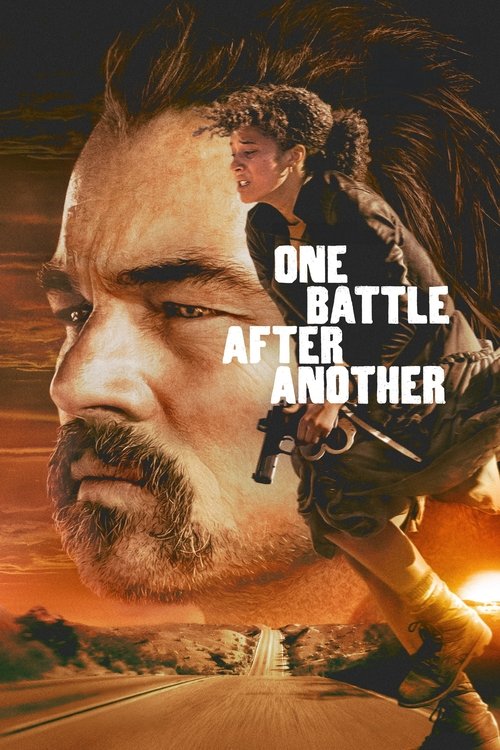
The film carries a 95% on Rotten Tomatoes and a 95 on Metacritic, and those numbers track with what’s on screen. This is PTA operating at peak weirdness, channeling shaggy-dog paranoia into something that actually lands emotionally. DiCaprio’s Bob is both hilarious and heartbreaking, a man who dismantled his own life in service of ideals he can barely remember. Sean Penn shows up as the nemesis and chews through every scene like he’s been waiting years for a role this unhinged. Benicio del Toro lurks at the margins. Regina Hall steals a handful of scenes. It’s a cast operating on pure instinct.
The 2-hour-42-minute runtime might scare some people off, and honestly, there are stretches in the middle where the film gets so deep into Bob’s paranoid headspace that you wonder if Anderson forgot he was telling a story. He didn’t. That disorientation is the point. When Willa disappears and the film snaps into focus, those wandering early scenes retroactively become essential. You needed to feel how lost Bob was to understand what finding his daughter means to him.
The PTA Filmography as Starting Point
Here’s the thing about trying to recommend movies like this one: Anderson’s films don’t really have direct equivalents. His work has always existed in a space between genres. There Will Be Blood is a Western that’s really about capitalism eating itself. The Master is a cult movie that refuses to explain the cult. One Battle After Another continues that tradition by being a political thriller where the politics are mostly remembered through a drug-induced fog and the thrills come from a father’s desperate love for his daughter.
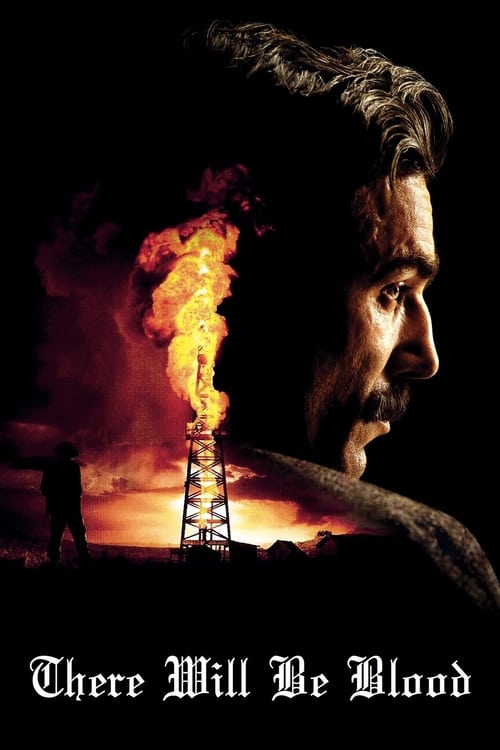
If you’ve already seen those, good. They’re prerequisites, not recommendations. The real question is: what do you watch when you’ve exhausted PTA’s own catalog and you still want that feeling One Battle After Another gave you?
The Closest Sibling: Inherent Vice
Inherent Vice is the most obvious starting point, and I won’t pretend otherwise. Same hazy California paranoia, same protagonist too stoned to be a reliable narrator, same sense that the conspiracy might be real or might just be the drugs talking. Joaquin Phoenix’s Doc Sportello and DiCaprio’s Bob could share a joint and compare notes about shadowy organizations for hours. Both films are adaptations of a certain kind of American paranoia (Inherent Vice directly from Thomas Pynchon, One Battle After Another channeling that same literary DNA through an original screenplay), and both ask you to surrender the need to follow every plot thread.
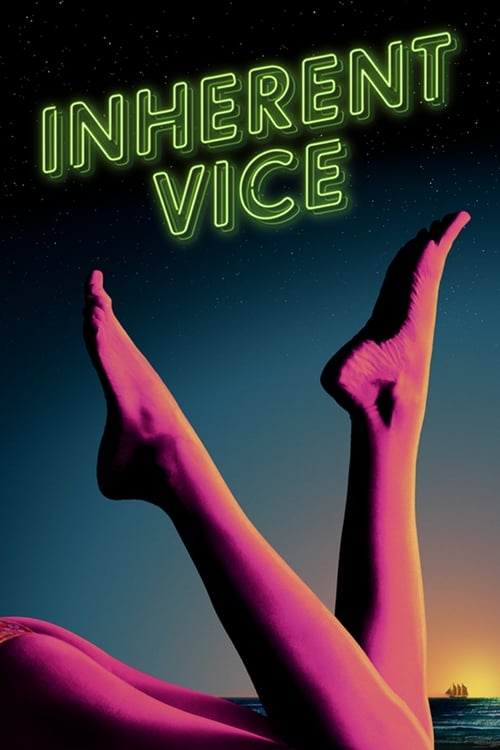
A lot of people bounced off Inherent Vice when it came out in 2014. The plot is intentionally incomprehensible, the jokes land at weird angles, and Phoenix spends half the movie squinting at things he can’t quite make sense of. But if you loved the way One Battle After Another let you sit inside Bob’s fog before yanking you out of it, Inherent Vice does something very similar. It rewards the same kind of patience. Go back to it if you haven’t seen it since its initial release. It plays differently now, especially with One Battle After Another as a companion piece.
A Father Stripped Down to Instinct: Prisoners
If it was the missing-child intensity that hooked you, Prisoners operates in a similar emotional register to One Battle After Another, though Denis Villeneuve’s approach is far more controlled and methodical than Anderson’s sprawl. Hugh Jackman’s Keller Dover is Bob without the drugs and the counterculture history, a man reduced to his most primal instincts when his daughter vanishes. The tone is darker and more punishing. Where Anderson gives you space to breathe (and sometimes to laugh), Villeneuve just keeps tightening the screws.
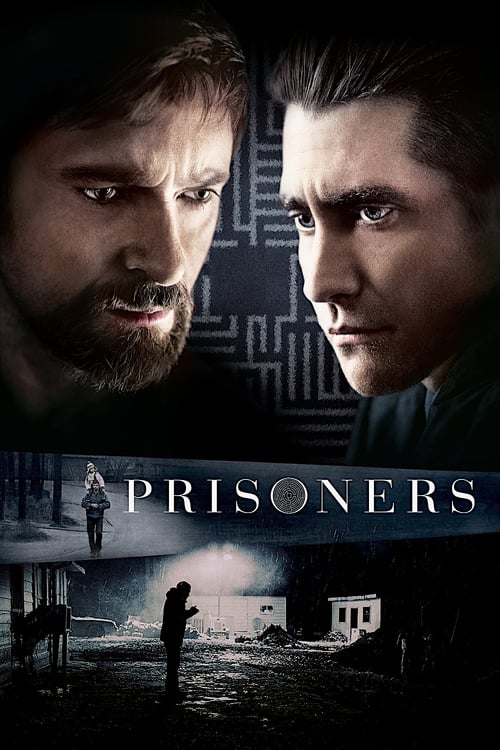
The key connection here is what desperation does to a person. Bob’s sixteen years of paranoid, off-grid living have already broken him in ways he can’t fully see. Dover breaks in real time, right in front of you, and Jackman plays it with a rawness that’s hard to shake. That basement scene, the one where Dover crosses a line he can’t uncross, is the Prisoners equivalent of the moment in One Battle After Another when Bob realizes his past has swallowed his present whole.
The Washed-Up Idealist Thread: The Master
I mentioned The Master above as part of PTA’s broader filmography, but it deserves its own spotlight as a recommendation. If what drew you to One Battle After Another was the portrait of a man adrift, someone whose beliefs once gave him structure and now leave him stranded, The Master covers that territory from a completely different angle. Joaquin Phoenix’s Freddie Quell is a World War II veteran who can’t reintegrate into society, and Philip Seymour Hoffman’s Lancaster Dodd offers him a new belief system to cling to.
The relationship between Freddie and Dodd mirrors something in Bob’s story. Bob was once a true believer. The revolution gave his life meaning. Without it, he’s just a guy getting high in the desert, and you can feel the loss in every scene DiCaprio plays. Freddie is the same kind of lost soul, except he never had the idealism to begin with. He’s looking for someone to tell him what to believe. Watching The Master after One Battle After Another illuminates both films. They’re about what happens when the thing you organized your life around disappears.
Paranoia as Architecture: Zodiac
If the paranoid thriller side of One Battle After Another was what grabbed you most, David Fincher’s Zodiac shares a surprising amount of DNA with Anderson’s film. On the surface they’re very different. Zodiac is meticulous where One Battle After Another is hazy. Fincher’s obsession with procedure and detail is the opposite of Anderson’s stoned wandering. But both films are ultimately about what happens to people who can’t let go of a mystery that may not have a solution.
Jake Gyllenhaal’s Robert Graysmith becomes so consumed by the Zodiac case that his marriage falls apart, his career stalls, and he ends up alone in his apartment surrounded by files and theories. Bob in One Battle After Another has done the same thing to himself, just with political radicalism instead of true crime. Both men have organized their entire existence around something that keeps receding the closer they get. And both films use their long runtimes (Zodiac runs 157 minutes, One Battle After Another 162) to make you feel the weight of that obsession accumulating. That scene where Graysmith goes into a stranger’s basement and suddenly realizes he might be in real danger has the same queasy, “wait, is this actually happening?” energy that runs through Anderson’s best sequences.
The Quiet Aftermath: Manchester by the Sea
This might seem like an odd pick, but hear me out. Manchester by the Sea doesn’t have the paranoia or the political backdrop, but it shares something essential with One Battle After Another: a portrait of a man so damaged by his past that he’s essentially stopped living. Casey Affleck’s Lee Chandler has shut himself off from the world. He does maintenance work, picks fights in bars, and exists in a kind of emotional flatline. When his brother dies and he’s forced to care for his nephew, the film asks whether someone that broken can actually come back.
Bob and Lee are different types of wreckage, but the emotional texture is remarkably similar. Both films earn their gut-punch moments by spending long stretches in their protagonists’ numbness. Anderson uses drugs and paranoia to externalize Bob’s disconnection. Kenneth Lonergan uses silence and routine. The effect is the same: you feel the weight of a life that got derailed by choices the character can barely process anymore. If the emotional core of One Battle After Another hit you harder than the thriller mechanics, Manchester by the Sea operates in that same register of grief disguised as functioning.
Skip This If You Need a Clean Plot
One honest caveat: if you left One Battle After Another feeling like the plot was too loose or the pacing too indulgent, that’s a valid response. This isn’t a tight thriller. It’s a sprawling, messy, deeply personal film that asks you to vibe with it before it asks you to follow it. The same goes for most of the recommendations on this list. These are films that prioritize mood, character, and atmosphere over clean narrative momentum. If that’s not your thing, Prisoners is probably the most conventional pick here, and even that one has a mean streak.
But for those of us who fell hard for Bob’s stoned, paranoid, fiercely loving worldview, these films should keep you occupied for a while. Start with Inherent Vice if you want to stay in the drug-fog paranoia lane. Move to Zodiac if you want the conspiracy angle played straight. Hit Prisoners if the missing-daughter desperation was the emotional center for you. Go to The Master for more on broken idealists. And try Manchester by the Sea for a quieter, more devastating take on a man who lost himself.
And if none of those quite scratch the itch, there’s always the option of watching One Battle After Another again. With a film this dense, you almost certainly missed plenty the first time.
Discover Your Next Favorite Film
Browse our curated collection of movie trailers and find something new to watch tonight.
Browse Trailers