11 Movies Like Conclave (Catholic Drama and Whisper Politics)
Films.io Editorial
5 min read

Conclave is the kind of movie that gets your pulse racing without a single gunshot or car chase. Edward Berger’s 2024 film about the election of a new pope turns the Vatican into a pressure cooker, where old men in red robes scheme, whisper, and betray each other with the intensity of a political thriller. Ralph Fiennes carries the whole thing on his face, barely raising his voice while navigating secrets that could topple the Catholic Church. If you’re looking for movies like Conclave, you want films where institutions become battlegrounds, where the stakes are enormous but the weapons are words, and where power is exercised in hallways and closed-door meetings rather than on open fields.

What makes Conclave tick isn’t really the Catholic setting, though that helps enormously. It’s the claustrophobia of smart people trapped together, forced to choose a leader while nursing their own ambitions and hiding their own sins. The best movies in this vein share that DNA: institutional settings, whispered stakes, moral compromises dressed up in the language of duty. Some deal directly with the Catholic Church. Others transpose the same dynamics onto journalism, government, academia, or corporate power. All of them understand that the most dangerous rooms are the quiet ones.
1. Spotlight (2015)
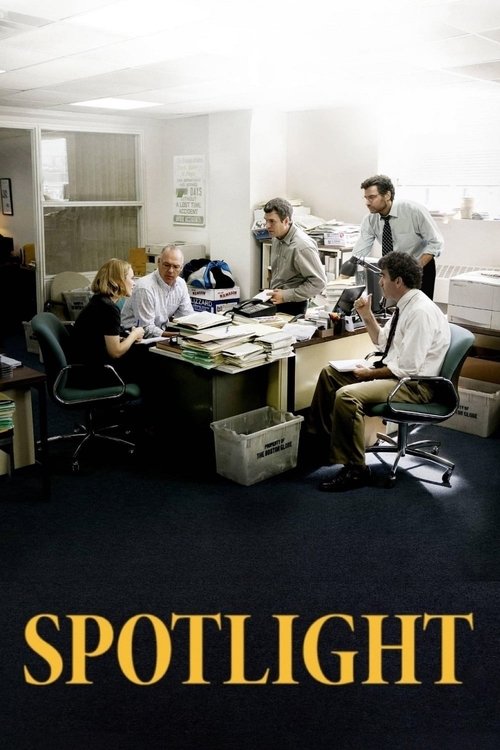
This is the most natural companion piece to Conclave. Tom McCarthy’s Best Picture winner follows the Boston Globe’s investigation into the Catholic Church’s systematic cover-up of child sexual abuse. Where Conclave shows the Church from the inside, Spotlight watches it from the outside and finds rot that goes all the way to the top. Mark Ruffalo’s breakdown in the office, when the personal stakes of the investigation hit him, is one of the best scenes in any film this century. The pacing is relentless in the quietest possible way. No explosions, no chases, just reporters making phone calls and the truth slowly becoming undeniable. If Conclave is about men choosing a pope while hiding their sins, Spotlight is about what happens when those sins finally reach daylight.
2. Killers of the Flower Moon (2023)
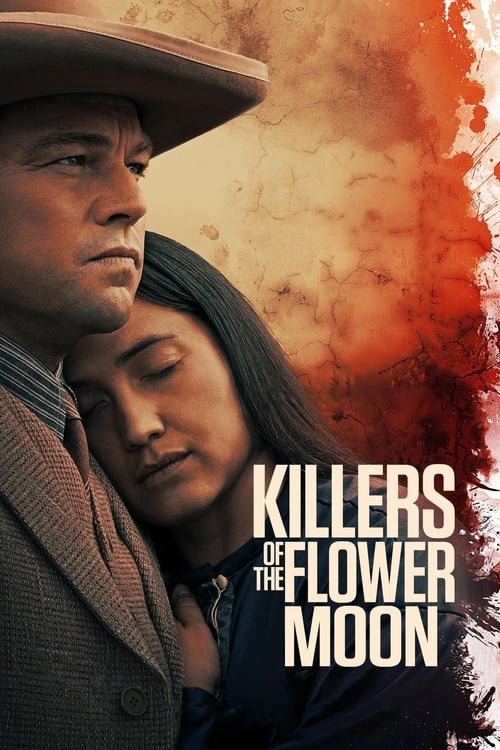
Martin Scorsese’s three-and-a-half-hour epic isn’t about the Catholic Church, but it shares Conclave’s obsession with institutional corruption and betrayal disguised as love. Leonardo DiCaprio plays a man caught between genuine affection for his Osage wife and his uncle’s campaign to murder her family for oil money. The film’s genius is in how long it lets you sit with the discomfort, watching a man who knows exactly what he’s doing pretend he doesn’t. Robert De Niro’s William Hale is a study in quiet menace, the kind of man who smiles while ordering someone’s death. This is whisper politics at its most lethal: every handshake conceals a conspiracy, every family dinner is a strategy session, and the institutions meant to protect people, from local government to federal oversight, are either complicit or asleep.
3. Schindler’s List (1993)
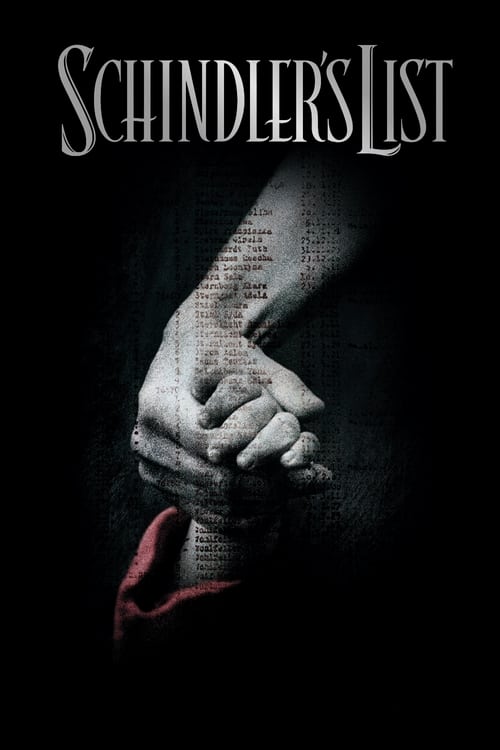
Ralph Fiennes is in both this film and Conclave, and the contrast is striking. In Spielberg’s Holocaust masterpiece, he plays Amon Goeth, a man with absolute institutional power who uses it for pure evil. The film is about how institutions, whether the Nazi Party or Oskar Schindler’s factory, shape moral choices. Schindler himself navigates bureaucratic evil the way Conclave’s Cardinal Lawrence navigates ecclesiastical politics: through compromise, deception, and the faint hope that doing the wrong thing for the right reason still counts. What connects these two films is the question of whether one person working inside a corrupt system can bend it toward something good, or whether the system always wins.
4. The Devil Wears Prada (2006)
This might seem like an odd pick, but hear me out. Miranda Priestly runs her fashion magazine the way a pope runs the Vatican: with absolute authority, carefully managed loyalty, and a network of terrified subordinates who’d do anything for a nod of approval. Meryl Streep’s performance is all about institutional power wielded through tone and silence. She never yells. She doesn’t need to. The “cerulean blue” speech is a masterclass in how institutions shape identity without anyone noticing. Swap the fashion magazine for a conclave, and the dynamics are identical. Someone holds power, everyone else wants it or fears it, and the corridors are full of people calculating their next move. Stanley Tucci shows up in both this and Conclave, and in both films he plays a man who understands the game better than he lets on.
When Quiet Rooms Become Arenas
The thing that connects all of these films is their understanding that real power doesn’t announce itself. It whispers. Conclave takes place almost entirely within the walls of the Vatican, and the most dramatic moments are glances across a dinner table or a single word dropped at the right moment. The best institutional dramas operate the same way.
5. The Devil Wears Prada 2 (2026)
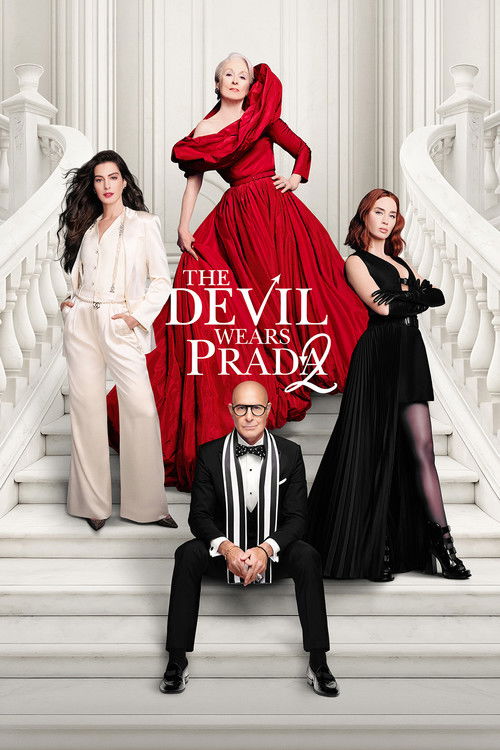
The sequel arrived in theaters in late April and catches up with Miranda Priestly as traditional publishing crumbles around her. Emily Charlton, once her trembling assistant, now stands across the table as a rival executive for a luxury group threatening everything Miranda built. The power dynamics have shifted, but the institutional politics remain just as vicious. Stanley Tucci returns, and the film smartly examines what happens when the institution you built your identity around starts to disappear. It’s a different flavor than Conclave’s ancient rituals, but the central question overlaps: what do you owe to an institution that shaped you, and when do you stop sacrificing for it? The boardroom confrontations between Streep and Blunt have the same charged energy as cardinals circling each other in a chapel.
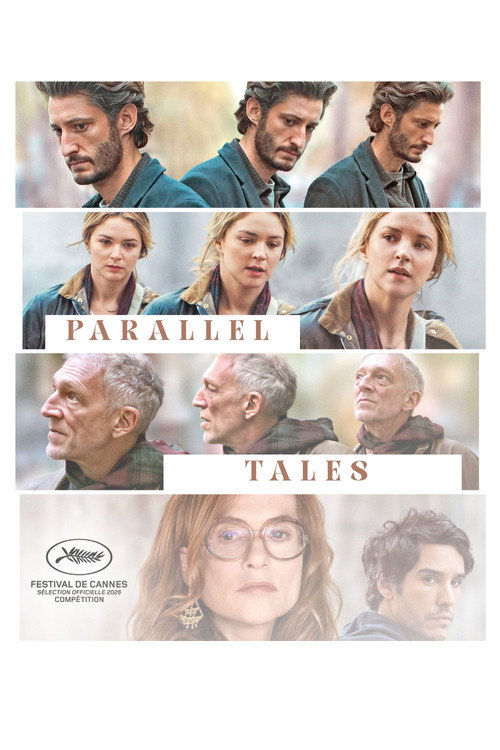
6. Parallel Tales (2026)
Asghar Farhadi knows more about human deception than almost any filmmaker alive. His films have always been about people lying to each other and to themselves, and Parallel Tales continues that tradition. Virginie Efira stars as Sylvie, a woman searching for inspiration for her new novel by spying on her neighbors through a telescope. When she hires a young man named Adam to help with her daily routine, layers of deception start folding in on themselves. Isabelle Huppert and Vincent Cassel round out a cast built for this kind of intricate moral gamesmanship. Farhadi’s specialty is creating situations where every character has a reasonable justification for unreasonable behavior, which is exactly the moral terrain Conclave occupies. Nobody in a Farhadi film is simply lying. They’re all constructing elaborate architectures of self-justification, and watching those structures collapse is as tense as any thriller.
The Weight of Choosing Right
What haunts Cardinal Lawrence in Conclave isn’t just the question of who should be pope. It’s whether the process itself is corrupted beyond repair. Several of these films share that anxiety about broken systems and the people stuck inside them.
7. Aakhri Sawal (2026)
Here’s one that maps onto Conclave’s dynamics almost perfectly. A brilliant but volatile scholar publicly accuses his legendary mentor, Professor Gopal Nadkarni, of institutional bias, and what begins as a faculty dispute spirals into a national firestorm. The institutional setting is academia rather than the Vatican, but the mechanics are the same: reputation as currency, loyalty as weapon, and a closed community tearing itself apart over questions of principle that are really about power. Sanjay Dutt anchors the film, and the escalation from intellectual disagreement to all-out institutional warfare feels uncomfortably real. If you watched Conclave and thought “I want to see more people destroy each other politely in professional settings,” this delivers.
8. Dilan ITB 1997 (2026)
Set against Indonesia’s political upheaval in the lead-up to the Reformation era, this film follows a student at the Bandung Institute of Technology who returned from Cuba in March 1997. It’s a story about institutional identity and political awakening happening simultaneously, where campus life becomes a microcosm of national crisis. The parallels to Conclave are less about religion and more about what happens when the institution you belong to is on the verge of seismic change and you have to decide where you stand. The political pressure cooker atmosphere, with its whispered alliances and shifting loyalties, mirrors the conclave’s corridors more than you’d expect from a student drama.
9. Is God Is (2026)
Two sisters embark on an epic quest for revenge, confronting a charged family history that pushes them to extraordinary lengths. This one approaches Conclave’s territory from a different angle: family as institution, with its own laws, hierarchies, and buried sins. The title alone signals religious and existential weight. Where Conclave asks “who gets to lead the Church?”, Is God Is asks “who gets to define justice when the people who were supposed to protect you are the ones who hurt you?” It’s a fiercer, more visceral film than Conclave, but both are about reckoning with institutional failure and deciding whether the structures we inherit deserve our faith.
Institutional Power Wears Many Faces
10. Blue Film (2026)
This small, intense two-hander earns its spot on this list through sheer concentration of interpersonal power dynamics. A queer camboy named Aaron Eagle is shocked to discover a personal connection with the mysterious stranger who has paid for his company, and over the course of a single night, what starts as a transactional encounter becomes a loaded negotiation of identity, secrets, and control. The film strips the institutional setting down to its barest form: two people in a room, each holding information the other needs, each calculating how much to reveal. That’s Conclave’s essential dynamic reduced to its purest elements. Reed Birney and Kieron Moore carry the entire film on the tension between what’s said and what’s withheld, and the result has the coiled energy of cardinals trading confessions behind closed doors.
11. Jimpa (2026)
John Lithgow, who plays one of the key cardinals in Conclave, stars here as Jim, an aging gay man in Amsterdam whose family arrives with an agenda that will reshape his remaining years. The film is about familial obligation, generational friction, and the way people who love each other still jockey for control over shared decisions. Olivia Colman plays Hannah, whose daughter wants to stay abroad with Jimpa, forcing a negotiation about autonomy, responsibility, and who gets to make choices for whom. It’s quieter than Conclave, but the family unit functions as its own institution here, complete with unwritten rules, power imbalances, and the constant tension between what’s best for the group and what any individual member actually wants. Lithgow brings the same careful intelligence he showed as Cardinal Tremblay, the sense of a man who has strong opinions but knows when to hold them back.
Conclave proved that you don’t need action sequences to make your heart pound. You just need smart people in a room, secrets worth keeping, and the sense that every word carries weight. These eleven films all understand that principle. Whether it’s the Catholic Church, a fashion empire, a faculty dispute, or a family deciding its own future, the real thrillers happen when people who know each other too well are forced to make impossible choices. Browse more dramas in our collection, or start with Conclave itself if you haven’t seen it yet.
Discover Your Next Favorite Film
Browse our curated collection of movie trailers and find something new to watch tonight.
Browse Trailers