9 Movies Like Civil War (Alex Garland's America)
Films.io Editorial
5 min read
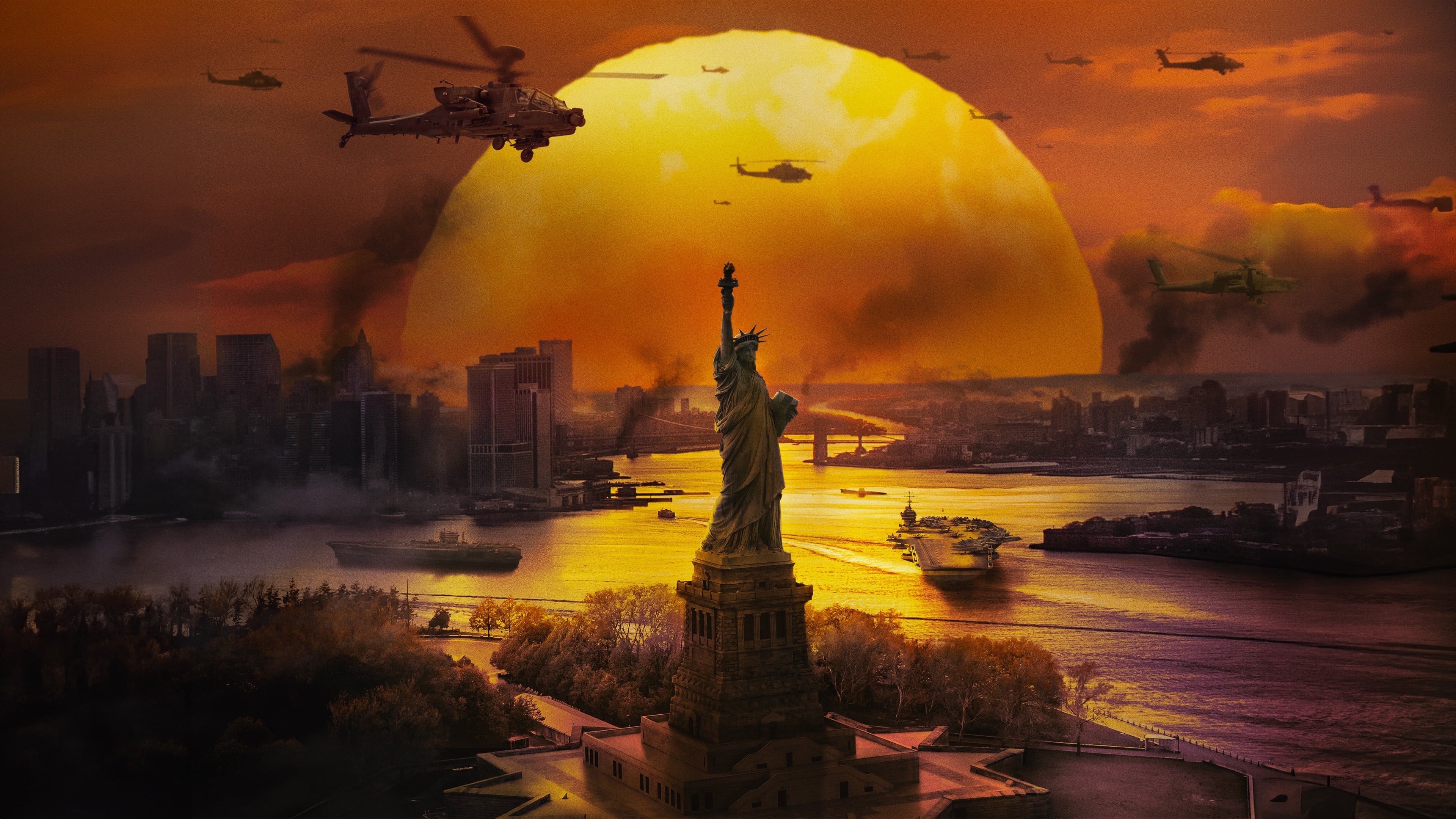
Alex Garland’s Civil War hit theaters in 2024 and did something few American films have dared to try: it dropped war correspondents into a fractured United States and refused to tell you which side was right. If you’re looking for movies like Civil War, you’re probably chasing that same specific cocktail. The adrenaline of journalists in danger zones. The moral ambiguity of watching violence through a camera lens. The creeping dread of societies eating themselves alive. And underneath it all, a question the film never quite answers: what happens when the people pointing cameras stop being observers and become targets?
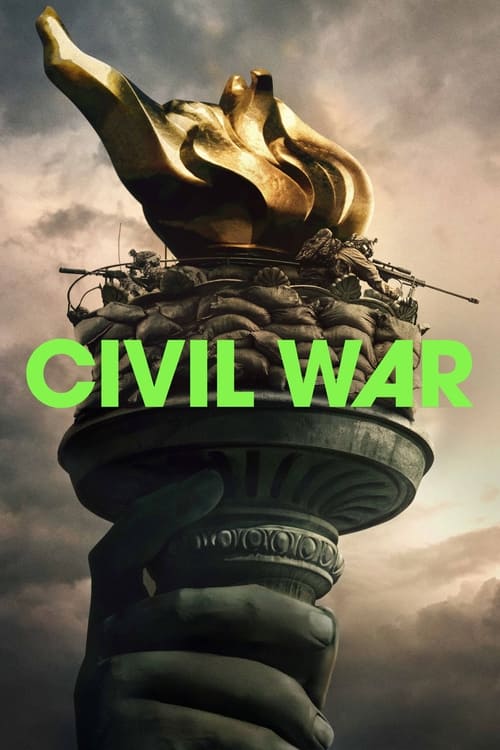
What made Garland’s film land so hard wasn’t the spectacle of American cities under bombardment. It was the quiet moments. Jesse Plemons asking “What kind of American are you?” at a roadside checkpoint. Kirsten Dunst’s Lee staring at a photograph she just took, knowing it’ll define her career and destroy her soul simultaneously. That tension between documentation and participation is the thread connecting every film on this list.
1. Apocalypse Now (1979)
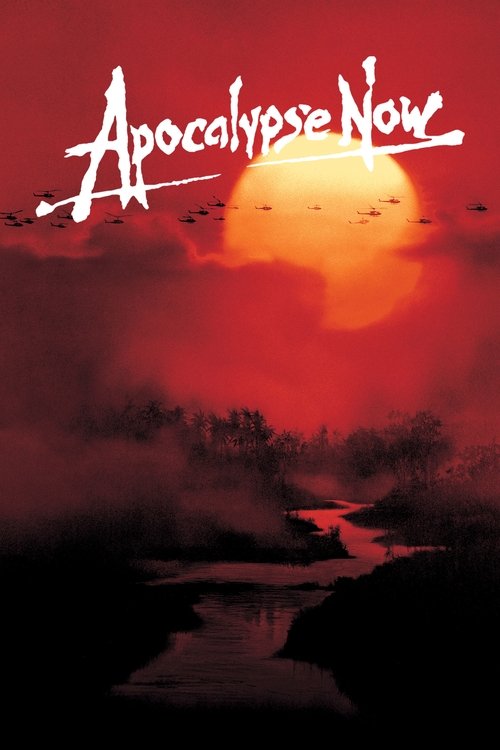
The original “journey into a collapsing country” movie, and still the best. Coppola’s Vietnam nightmare shares Civil War’s road-trip DNA, with each stop along the river revealing a deeper layer of madness. Martin Sheen’s Willard isn’t a journalist, but he’s an observer. He watches the war consume everyone around him and keeps moving forward because the mission demands it. That Playboy Playmates show at the supply depot, with soldiers losing their minds over a glimpse of home while surrounded by death, captures the same America-devouring-itself energy Garland tapped into nearly fifty years later. And Dennis Hopper’s wild-eyed photojournalist at Kurtz’s compound? He’s practically a prototype for Wagner Moura’s adrenaline-junkie Joel.
2. Full Metal Jacket (1987)
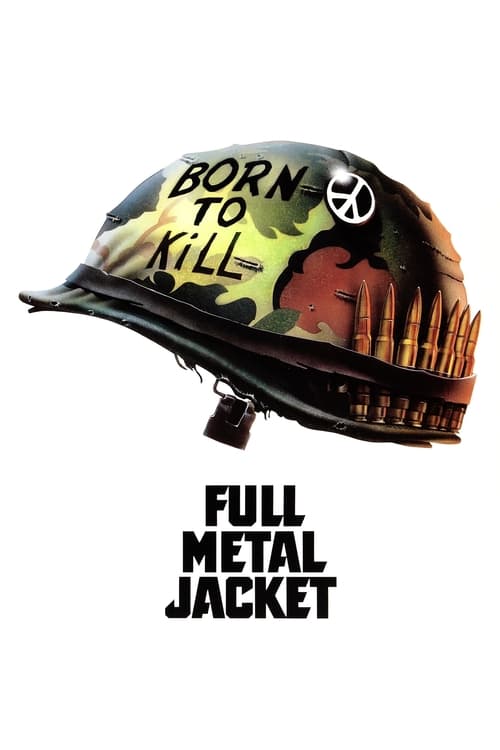
Kubrick’s Vietnam film is really two movies stapled together, and the seam is the point. The first half, with R. Lee Ermey’s drill instructor systematically dismantling young men’s humanity, is about how a nation creates killers. The second half drops those killers into Hue City and watches them flail. Civil War has that same structural boldness. It’s less interested in combat choreography than in what combat does to the people who witness it. The sniper sequence in Full Metal Jacket’s final act, where a squad hunts a single shooter through rubble, has the same claustrophobic tension as Civil War’s best set pieces. And Matthew Modine’s Joker, a Stars and Stripes journalist who carries a peace symbol and writes “Born to Kill” on his helmet, is practically a spiritual ancestor to Garland’s war correspondents. Joker’s final voiceover, singing the Mickey Mouse March while Hue City burns, is the darkest punchline in war cinema. Garland would appreciate the precision of it.
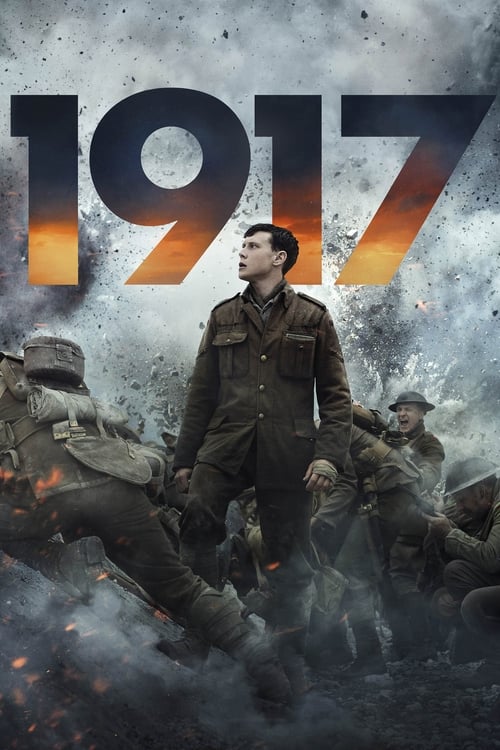
3. 1917 (2019)
Sam Mendes built this entire film around the feeling of being trapped inside a mission you can’t escape. The continuous-shot technique could have been a distraction, but it works because it forces you into George MacKay’s boots. You don’t get the luxury of a cut. You don’t get relief. That suffocating forward momentum is exactly what Civil War does with its road-trip structure, and both films understand that war isn’t about battlefields. It’s about the horrifying spaces between them. The scene where MacKay stumbles into the burning village at night, all flickering orange shadows and sniper fire, has the same disorienting beauty as Garland’s best sequences.
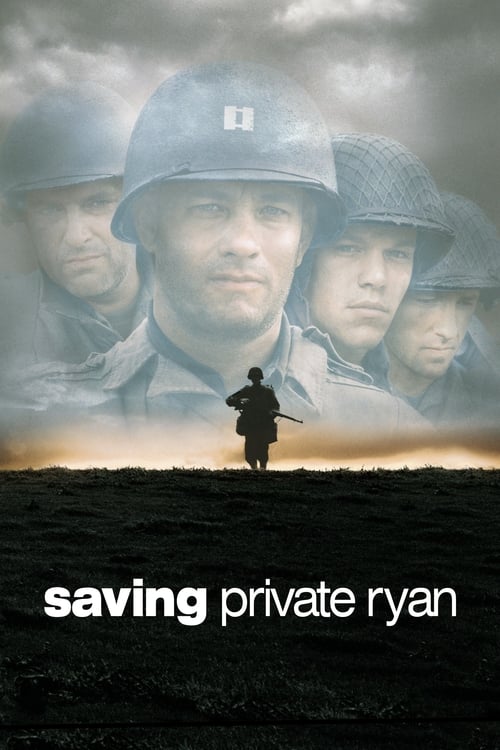
4. Saving Private Ryan (1998)
You can’t talk about war films that changed how audiences experience combat without starting here. Spielberg’s Omaha Beach sequence rewrote the rules. But what connects it to Civil War isn’t the violence. It’s Captain Miller’s shaking hand. It’s the way Tom Hanks plays a man who understands exactly what he’s sacrificing and does it anyway. Kirsten Dunst’s Lee has that same exhausted professionalism, that same sense of someone who’s seen too much and keeps going because the alternative is worse. And the squad’s moral arguments about whether one man’s life justifies risking eight others echo the ethical fog Civil War refuses to clear.
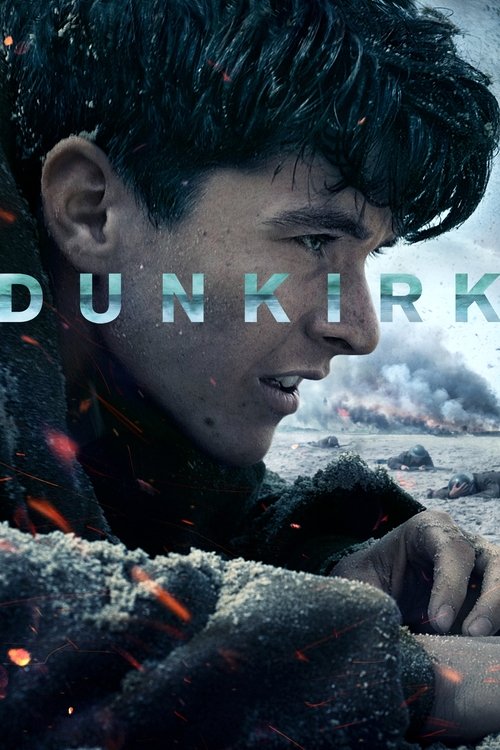
5. Dunkirk (2017)
Christopher Nolan stripped war filmmaking down to pure survival instinct here. There’s barely any dialogue, almost no context about the broader conflict, and the characters are less “people” and more vessels for the audience’s panic. That approach mirrors what Garland did with Civil War. Neither film cares much about explaining why the war is happening. They’re interested in what it feels like to be inside one. The scene where oil burns on the water and soldiers have to choose between drowning and burning is the kind of impossible choice Civil War keeps putting in front of its characters. And Mark Rylance’s civilian boat captain, quietly sailing toward danger because someone has to, hits the same nerve as Wagner Moura’s Joel pressing deeper into the war zone with a grin on his face.
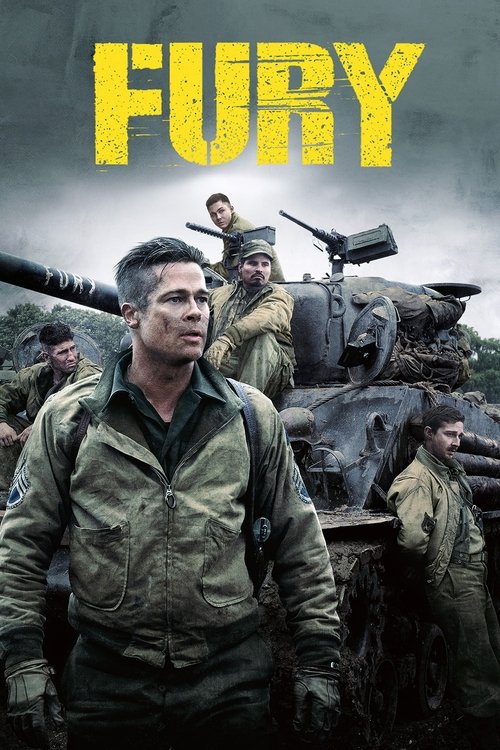
6. Fury (2014)
David Ayer’s tank movie is grimy, mean, and uncomfortable in ways most war films avoid. The dinner scene is the key. Brad Pitt’s Wardaddy and Norman sit down with two German women, and there’s this awful tension where courtesy and threat become indistinguishable from each other. Then the rest of the crew arrives and whatever fragile peace existed gets shattered. It captures something Civil War also gets right: the way violence corrodes everyone it touches, not just the combatants. War doesn’t create neat heroes and villains. It creates damaged people making ugly choices, and Fury, like Garland’s film, doesn’t let you look away from that. Logan Lerman’s arc from horrified kid to hardened soldier is basically a compressed version of what Cailee Spaeny’s Jessie goes through in a single road trip.
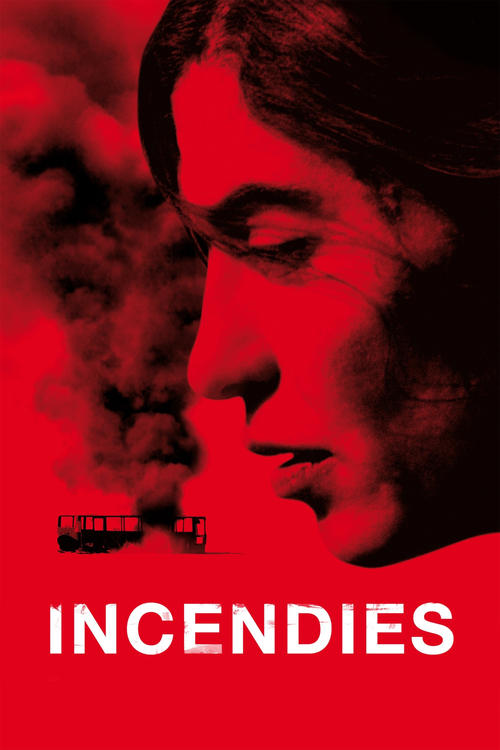
7. Incendies (2010)
Denis Villeneuve’s film about twins unraveling their mother’s past in a war-torn Middle Eastern country is the slowest burn on this list, and the most devastating. It shares Civil War’s interest in how civilians experience conflict, but it goes deeper into generational trauma. The structure is relentless. Every time you think you understand the scope of what happened, Villeneuve pulls back to reveal something worse. The reveal at the end lands like a physical blow. If Garland’s film made you think about what war does to a country, Incendies will make you think about what it does to families across decades. Villeneuve’s visual restraint here, years before epic-scale spectacle became his calling card, proves you don’t need a massive budget to make war feel real.
8. Pan’s Labyrinth (2006)
This one might seem like an odd fit, but hear me out. Guillermo del Toro set his fairy tale during post-Civil War Spain, with the Francoist regime hunting down the remaining resistance fighters in the mountains. The real horror isn’t the Pale Man or the faun. It’s Captain Vidal, a fascist officer who represents everything terrifying about authoritarian power. The film intercuts fantasy sequences with brutal partisan violence, and that collision between innocence and atrocity is something Garland’s Civil War understands too. Garland’s film has its own version of this in Cailee Spaeny’s Jessie, a young photographer whose wide-eyed eagerness gets ground down by what she witnesses. Both films ask what happens to the people who are too young, too sheltered, or too hopeful for the world they’ve walked into. Del Toro and Garland both know that the most disturbing thing about political violence isn’t the explosions. It’s the casual cruelty of the people who hold power.

The Thread That Connects Them
Look at this list as a whole and a pattern emerges. These aren’t just war movies. They’re films about observation. About the gap between seeing violence and understanding it. Apocalypse Now has its photojournalist losing his mind at Kurtz’s feet. Full Metal Jacket literally stars a military reporter. Dunkirk puts you so deep inside the sensory experience that you become the witness. And Saving Private Ryan opens with a camera slowly finding its subject on a beach littered with the dead.
That’s what Alex Garland understood. The most unsettling thing about war isn’t the fighting. It’s the watching. Every film here puts you in that uncomfortable position, right alongside Lee and her camera, and dares you to keep your eyes open.
Not every pick is about America tearing itself apart. But they all share something with Civil War that goes beyond genre. They’re interested in the human cost of political violence, in the way ordinary people navigate extraordinary horror. Some do it with Kubrick’s cold precision, others with Coppola’s hallucinatory excess, and Garland found his own register somewhere between documentary realism and nightmare.
If you’ve already burned through these, browse our full collection of war films or check out more thriller-driven cinema. And if Civil War left you wanting more of that distinctly unsettling Alex Garland atmosphere, his earlier work like Ex Machina operates on the same frequency of creeping dread, just pointed in a very different direction.
Discover Your Next Favorite Film
Browse our curated collection of movie trailers and find something new to watch tonight.
Browse Trailers