3 Best Vampire Movies After Sinners
Films.io Editorial
5 min read
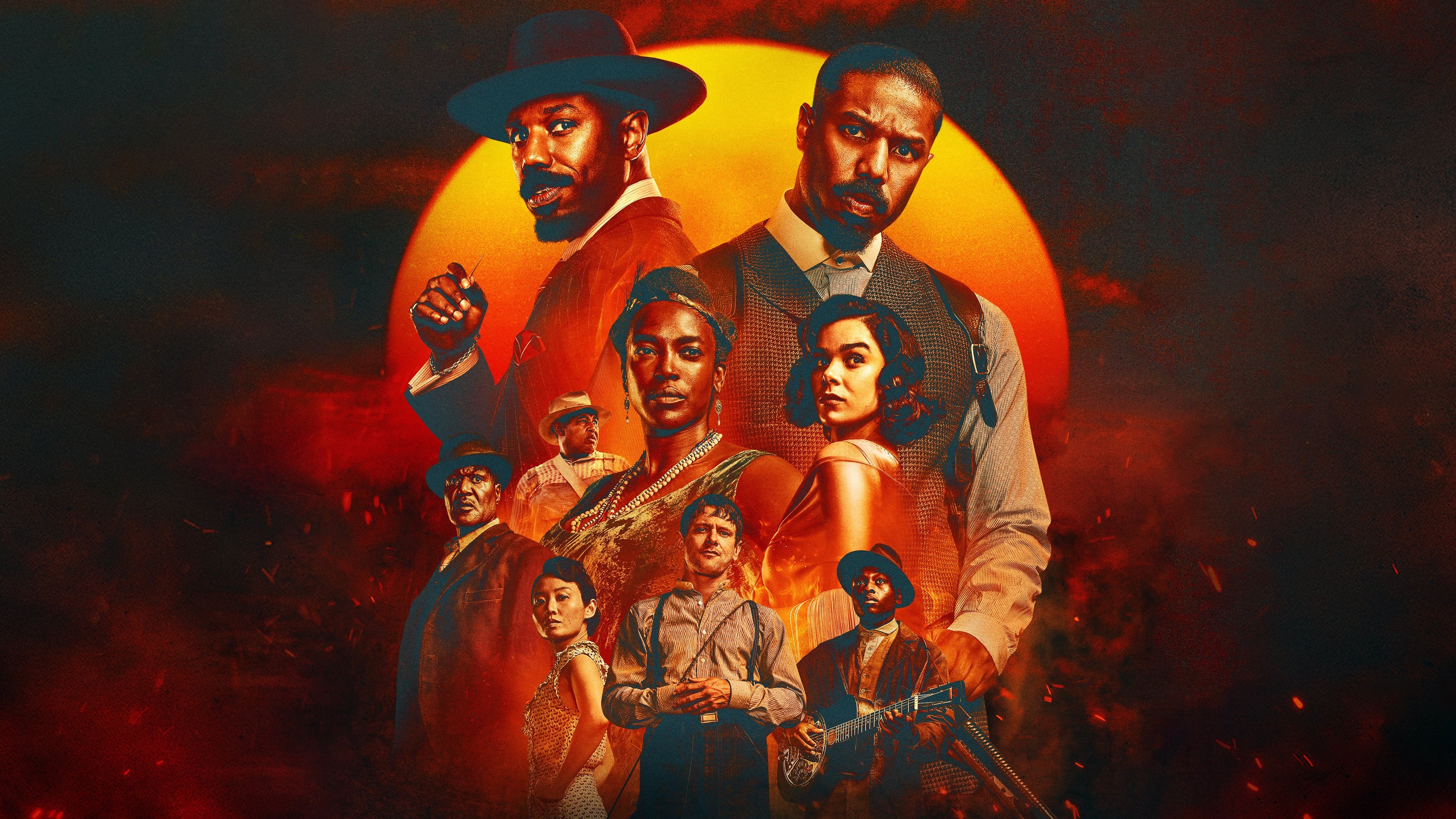
Ryan Coogler’s Sinners hit theaters in spring 2025 and reminded everyone that vampire movies don’t have to be campy or self-serious. They can be soulful, terrifying, and dripping with style all at once. Set in the 1930s Mississippi Delta, it used blues music as both metaphor and weapon against the undead, and it cracked open the genre in ways we haven’t seen in years. Robert Eggers’ Nosferatu arrived just months earlier with its own gothic vision, and suddenly we were in the middle of a genuine vampire renaissance. If those two films left you hungry for more, the picks below cover a range of bloodsucker cinema worth sinking your teeth into.
Not every vampire film earns its fangs. Some lean too hard on lore, others forget to be scary, and plenty just don’t have the nerve to do something different. These four picks all bring something specific to the table, whether it’s Nicolas Cage eating a cockroach, Guillermo del Toro reinventing the action vampire, Luc Besson tackling Dracula’s origin story, or Jared Leto stumbling through a living vampire role. Here’s where to go after Sinners.
The Origin Story
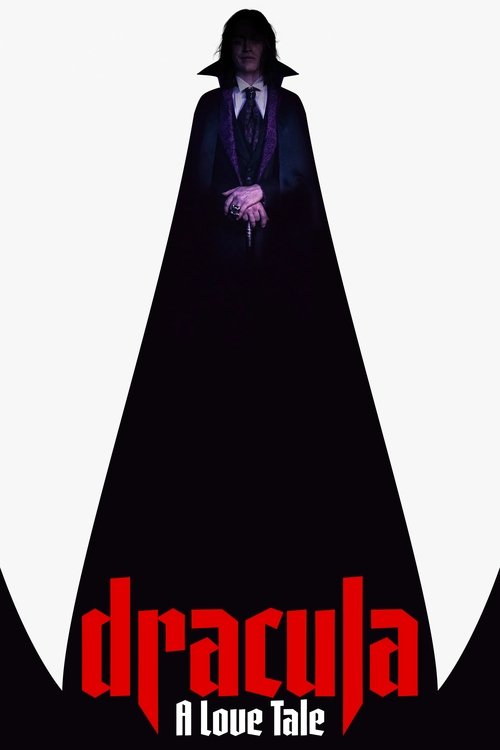
1. Dracula (2025)
Luc Besson’s take on the Dracula origin story is uneven, but Caleb Landry Jones makes it worth watching. He plays the Count as a genuinely tragic figure, a 15th-century prince who curses himself after losing his wife, and the early medieval sequences have a raw intensity. Christoph Waltz chews scenery as you’d expect. The film stumbles when it jumps across centuries too quickly, and critical reception landed in mixed territory, but as pure vampire atmosphere it delivers more than you’d expect from its reputation. Zoë Bleu Sidel brings vulnerability to the love interest role, and the costuming is gorgeous. Not a great film, but a worthwhile vampire film if you’re working through the genre after Sinners reignited your appetite.
The Action Vampire
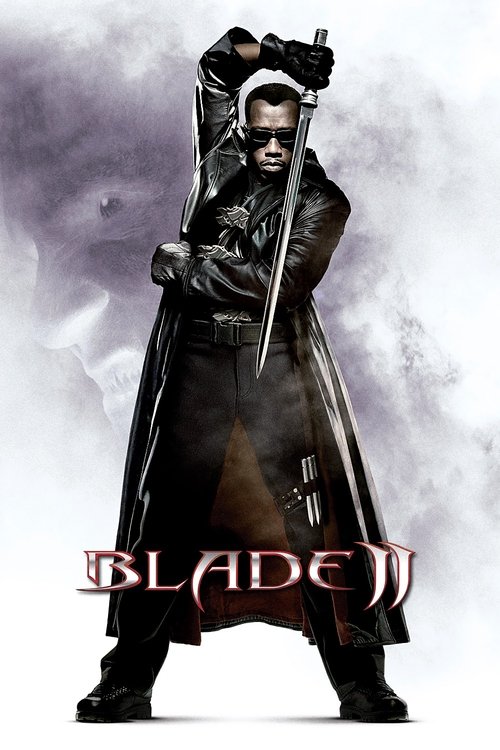
2. Blade II (2002)
Guillermo del Toro directing a Wesley Snipes action movie about vampires fighting even worse vampires. That pitch alone sells it. The Reapers are genuinely disturbing creatures, their jaws splitting open like something out of a Cronenberg film, and del Toro’s creature design elevates what could have been a generic sequel into something visually inventive. The nightclub fight still holds up. Ron Perlman adds his usual gruff charisma, and Norman Reedus shows up before anyone knew who he was. It’s the rare sequel that outpaces the original by a wide margin. Where Sinners used blues music to build tension, Blade II uses techno and arterial spray. Both approaches work.
The Unhinged One
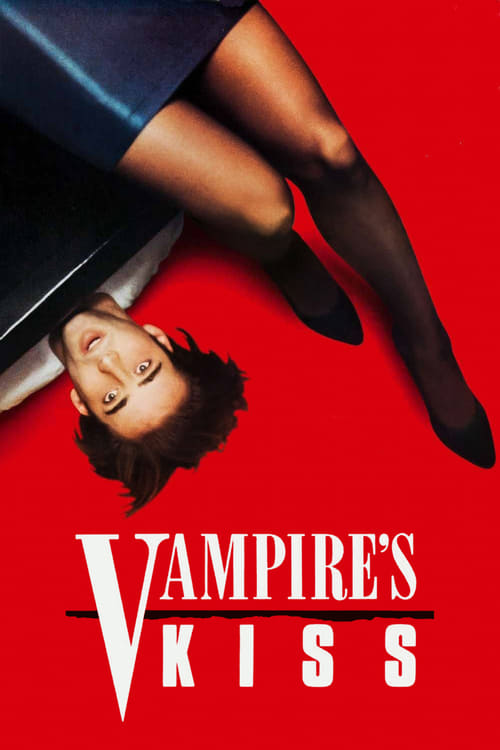
3. Vampire’s Kiss (1989)
This is the Nicolas Cage vampire movie, and I mean that in the best possible way. Cage plays a New York literary agent who becomes convinced he’s turning into a vampire after a one-night stand with Jennifer Beals. What follows is one of the most unhinged performances in film history. He buys plastic vampire teeth from a novelty shop. He eats a live cockroach. He recites the alphabet like it’s a Shakespearean monologue. María Conchita Alonso plays his terrorized secretary with the perfect mix of fear and exhaustion. Is it a genuine horror film? Barely. Is it essential vampire cinema? Absolutely. If Sinners showed you how seriously the genre can be taken, Vampire’s Kiss shows you the opposite end of the spectrum, and it’s just as unforgettable.
The Guilty Pleasure
4. Morbius (2022)
Look, I’m going to be honest. Morbius isn’t a good movie. Jared Leto’s living vampire never finds its tone, the CGI is muddy, and the post-credits scenes are baffling. But it’s a vampire movie, and if you’re working through the genre after Sinners reawakened your bloodlust, you’ll probably end up here eventually. Matt Smith at least looks like he’s having fun as the villain, throwing himself into fight choreography with goofy abandon. The 15% on Rotten Tomatoes tells you everything you need to know, but sometimes you want junk food. Just know what you’re getting into.
Four films, four wildly different approaches to the vampire genre. Luc Besson’s gothic tragedy, del Toro’s action-horror hybrid, Cage’s unhinged psychological descent, and Leto’s misguided but oddly watchable superhero attempt. They don’t all work equally well, but they all prove the same thing Coogler proved with Sinners and Eggers proved with Nosferatu: the vampire movie keeps reinventing itself because the metaphor is endlessly flexible. Vampires can represent addiction, grief, sexual desire, class exploitation, or just the primal fear of something in the dark that wants your blood.
If you’re looking for more horror films beyond vampires, browse our full collection. The genre isn’t slowing down, and the best vampire movies understand that the monster is just the starting point. What you do with it is everything.
Discover Your Next Favorite Film
Browse our curated collection of movie trailers and find something new to watch tonight.
Browse Trailers