Sinners Ending Explained: The Twin Brothers and the Vampires
Films.io Editorial
5 min read
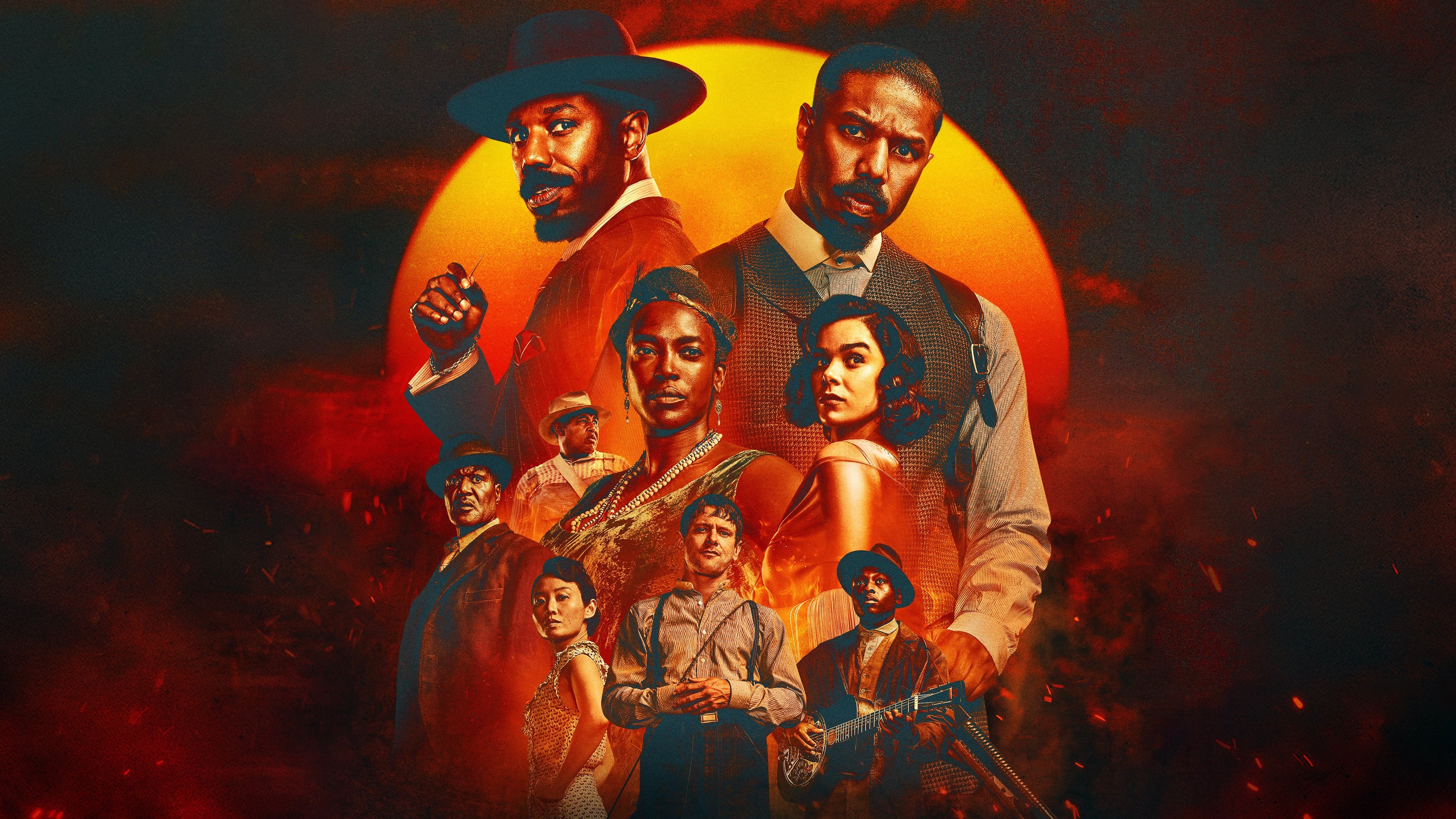
Ryan Coogler’s Sinners is the kind of movie that sticks to your ribs. Over a year after its release, people are still arguing about what happens in that final stretch, and I get it. This isn’t a film that wraps itself up neatly. It asks you to sit with what you’ve seen and work through it. If you’ve been looking for a Sinners ending explained breakdown, you’re in good company. Let’s talk about what Coogler is doing here, what we know, and what the film is really about underneath all the blood and blues music.
Fair warning: major spoilers ahead. If you haven’t seen the film yet, stop reading and go watch it. It deserves to be experienced cold.
Twin Brothers, One Impossible Homecoming
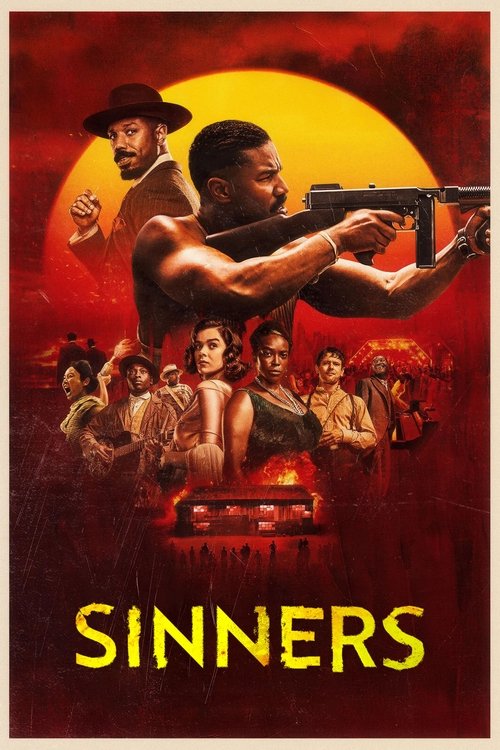
Michael B. Jordan plays dual roles as twin brothers who return to their hometown hoping to start over. The premise is deceptively simple: two men with troubled pasts trying to build something honest together. They want to open a juke joint, a place of music and community. Coogler takes his time in the first act establishing what this place means to them and to the people around them. The juke joint isn’t just a business. It’s an attempt to create something beautiful out of lives marked by violence and regret.
Jordan’s performance is the foundation everything rests on. Playing twins is a gimmick in lesser hands, but he makes each brother feel distinct. You can tell which one you’re watching before anyone says a name. One carries himself with more swagger, more talk. The other is quieter, harder, wound tighter. They’re two different responses to the same pain, and Jordan calibrates both with precision.
When the Monsters Arrive
The genre pivot hits hard. Jack O’Connell plays the vampiric threat, and he brings an unsettling calm to the role that makes the horror land even harder. When his character shows up, the juke joint’s opening night turns into something out of a nightmare.
But here’s what makes Sinners more than a monster movie: the vampires aren’t just predators looking for blood. They’re offering something. There’s a seduction at work, a promise of power and invulnerability. And Coogler is smart enough to understand what that offer would mean to Black men living under the crushing weight of American racism. Why wouldn’t you want to become something the world can’t touch? The Sinners movie meaning lives in that tension. The vampires represent a system that promises liberation but demands you surrender your humanity to get it. It’s a Faustian bargain dressed up as freedom.
The Choice at the Heart of the Film
The ending comes down to what the brothers do when faced with that offer. Without getting into specifics that might vary from how you read certain scenes (this is a film people genuinely interpret differently, and I think Coogler designed it that way), the core question is clear: do you accept monstrous power to escape a monstrous world, or do you hold onto your humanity even when it costs you everything?
What I can tell you is that the film doesn’t frame either choice as easy. There’s no triumphant hero moment. Coogler shoots the climax like a tragedy, not a victory. The score pulls back. The camera lingers. You feel the weight of what’s being lost regardless of what’s being saved.
This is where Jordan’s dual performance pays off completely. He’s been building two distinct people for the entire runtime, and when the film forces a collision between them, it’s devastating. You understand both sides. You don’t get to feel comfortable picking one.
The Music That Survives
The final stretch of Sinners is the part that’s had audiences debating for over a year now, and it’s the most ambitious thing Coogler has put on screen. The film pulls beyond the immediate story and reaches for something larger, connecting the horror and violence we’ve just witnessed to a much bigger history of Black suffering and Black creation.
The argument the film is making, and this is about as close to explicit as Coogler gets, is that the real immortality isn’t the kind the vampires are selling. It’s the music. It’s the culture that gets created in the teeth of oppression and somehow outlasts everything designed to destroy it. The blues didn’t come from nowhere. They came from people who had every reason to stop singing and didn’t.
Miles Caton’s young musician character is key to this idea. His presence in the film is the thread that connects the immediate story to something generational. The music continues. Not through supernatural means, but through the living act of making art in a world that doesn’t want you to survive, let alone create.
Coogler’s Biggest Swing
Look, this movie isn’t flawless. The middle section has pacing issues, and the supporting cast doesn’t always get the room they deserve. Hailee Steinfeld and Wunmi Mosaku both turn in strong performances, but the script is so focused on the twin dynamic that their characters can feel underserved. Mosaku in particular brings a gravity to her scenes that makes you wish the film had trusted her with more screen time. Steinfeld has moments that crackle, but her arc feels compressed compared to what Jordan gets to work with.
But Coogler’s decision to build a vampire film around the origins of the blues is the kind of creative gamble that makes you sit up in your seat. He’s working in a tradition that goes back to George Romero, using horror to talk about the things we’d rather not confront head-on. Jordan Peele does this too. The horror genre has always been sharpest when the monsters stand for something real, and the monsters in Sinners stand for something very real.
What separates this film from most horror is that its ending isn’t really about survival. It’s about legacy. The main characters don’t “win” in any conventional sense. But the film argues that something survives them, that the music pouring out of that juke joint carries forward long after the people who played it are gone. Black art as the true immortality. Not fangs. Not eternal life. The song.
It’s worth pointing out that 2026 has been a strong year for horror that’s about more than just scares. Saccharine, which just hit theaters, uses a deeply weird weight-loss-through-cannibalism premise to explore grief and self-destruction. André Øvredal’s Passenger takes a highway accident and turns it into a relentless demonic possession story. And Corporate Retreat blends survival horror with pitch-black satire about corporate culture. None of them are doing exactly what Coogler did with Sinners, but they all share that instinct to use genre as a vehicle for something bigger.
So What Does It All Mean?
The Sinners ending explained in its simplest terms: the vampires represent the seductive promise of power through dehumanization. The brothers represent the impossible choice between accepting that deal and holding onto your soul. And the music represents what actually endures across generations, not supernatural power, but human expression born from suffering that refuses to be the last word.
Coogler made a vampire movie that’s secretly about why the blues exist. Over a year out from its release, with a 97% on Rotten Tomatoes and strong audience scores to match, it’s clear this one is going to be discussed for a long time. The fact that it works as both a visceral horror film and a meditation on cultural survival is a credit to Coogler’s ambition, Jordan’s remarkable dual performance, and a final act that trusts its audience to feel its way toward meaning.
If you still haven’t seen Sinners, go in knowing as little as possible. And if you walked out of the theater last year scratching your head at that ending, I hope this helps it click. The answer was in the music the whole time.
Browse more horror films in our collection for similar genre-bending experiences.
Discover Your Next Favorite Film
Browse our curated collection of movie trailers and find something new to watch tonight.
Browse Trailers